

Signs of pneumonia: Sometimes vague and unexpected

Using a vibration plate: What it can — and can't — do for your body

The surprising link between ovarian cancer and the fallopian tubes

People who walk more or walk faster live longer, study finds

For sleep apnea, a dental device may be as effective as CPAP

Rosacea treatments: What works?

Carb cycling: What is it, and does it work?

Salmonella, E. coli, Cyclospora, and other germs that cause food poisoning: What you need to know

Melatonin or magnesium: Can either supplement help you sleep?

Understanding orthorexia: Have your healthy eating goals gone too far?
Tooth decay and cavities Archive
Articles

The senior's guide to dental care
Good dental health protects against not only gum disease, gum inflammation, and tooth loss but also many other age-related diseases. Like other aspects of health care, prevention is the best medicine when it comes to your teeth and gums. People should see their dentist every six months for check-ups, x-rays as needed, and cleanings. In between, they should follow a daily dental hygiene routine of rinsing, brushing, and flossing to help reduce plaque buildup, gingivitis, and cavities.

Rinse, brush, floss, scrape, and repeat
Maintaining good dental health protects against not only gum disease but also helps ward off many other age-related diseases, such as cardiovascular disease, stroke, and dementia. The most common form of gum disease is gingivitis, which begins when bacteria buildup in the mouth causes plaque and tartar to form on teeth and can lead to tooth decay. Because regular dental care can be expensive, daily self-care is the best preventive medicine. A proper dental routine consists of five steps: rinsing, brushing, flossing, tongue scraping, and another rinse.
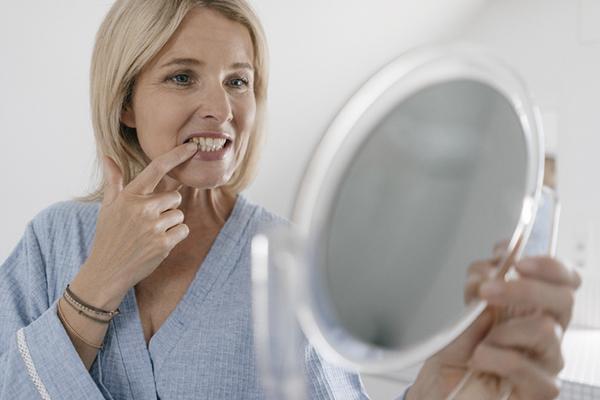
How menopause can affect oral health, including tooth decay, dry mouth, and shifting teeth
Many women aren’t aware menopause can fuel oral health symptoms such as tooth decay, gum disease, and bone loss in the jaw. Reduced estrogen diminishes saliva production, which protects teeth and gums by neutralizing acids and bacteria. A variety of tools and techniques can help menopausal women preserve oral health.
What medications should you stop before a dental procedure?
People undergoing a dental procedure sometimes wonder if they should stop taking any medications beforehand. They should provide a complete list of prescription medications, over-the-counter remedies, and supplements to their dentist and discuss potential risks. People should never stop taking a medication without consulting their doctor.
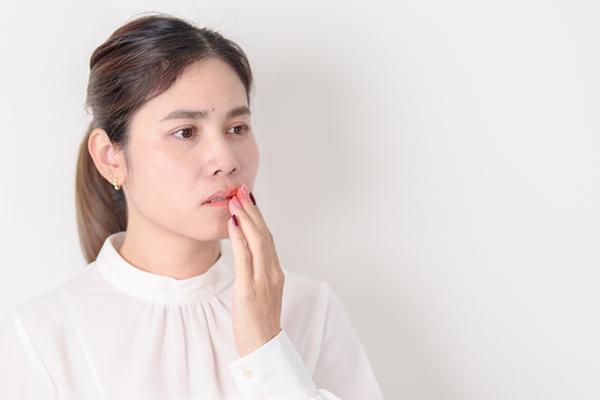
Could frequent, painful canker sores be a sign of Behçet's disease?
Lingering ulcers can signal more than simple canker sores. Learn about possible triggers, related conditions, and who should evaluate you.

Why do I have a white patch on my tongue?
A white area on the tongue can stem from dryness, irritation, infection, or an immune condition. If the patch is persistent, your doctor should take a closer look.
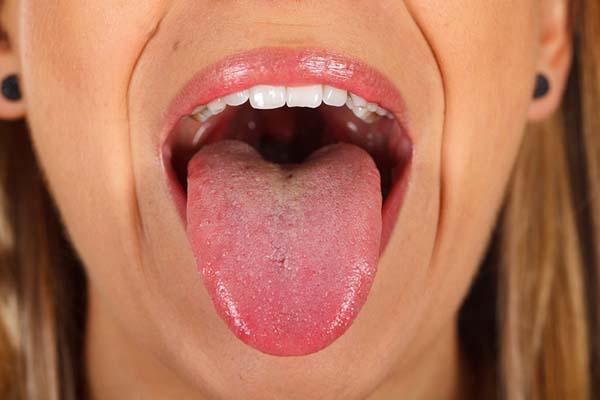
What causes a sensitive tongue?
A red, tender tongue may stem from irritants, an infection, or vitamin shortages. Simple changes and a doctor’s exam can help pinpoint the cause.
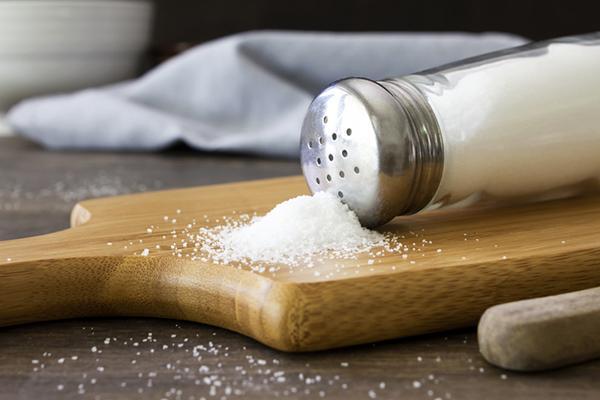
What could be causing an extremely salty taste in my mouth?
A persistent salty taste in your mouth may stem from saliva changes, medications, dehydration, sinus issues, or reflux. It warrants a closer look.
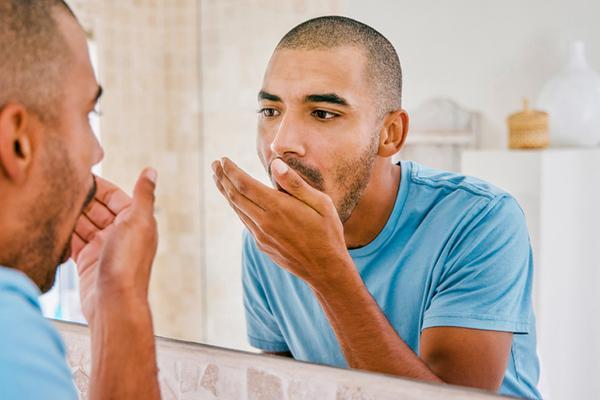
Why do I have bad breath in the morning?
From dry mouth and tongue bacteria to diet, reflux, and gum disease, many culprits can sour your breath. Simple daily habits may help restore freshness.

What could cause my tongue to turn dark brown and fuzzy?
A brown, furry-looking tongue and odd taste sensations can reflect changes in saliva, bacteria, and hygiene. This condition often improves with simple care.
Signs of pneumonia: Sometimes vague and unexpected
Using a vibration plate: What it can — and can't — do for your body
The surprising link between ovarian cancer and the fallopian tubes
People who walk more or walk faster live longer, study finds
For sleep apnea, a dental device may be as effective as CPAP
Rosacea treatments: What works?
Carb cycling: What is it, and does it work?
Salmonella, E. coli, Cyclospora, and other germs that cause food poisoning: What you need to know
Melatonin or magnesium: Can either supplement help you sleep?
Understanding orthorexia: Have your healthy eating goals gone too far?
Free Healthbeat Signup
Get the latest in health news delivered to your inbox!
Sign Up
