What could be causing an extremely salty taste in my mouth?
Ask the doctor
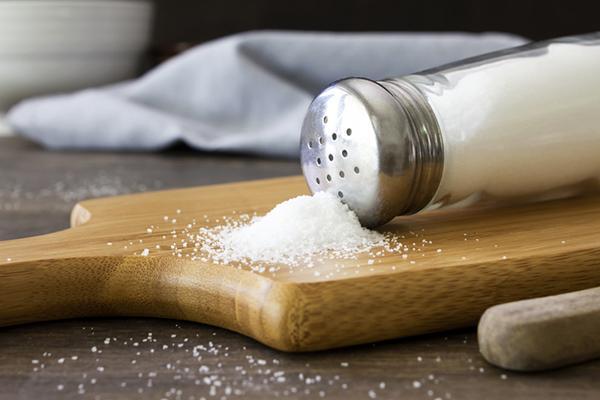
Q. I've had an extremely salty taste in my mouth for the past several months. It appears to come from my front teeth and cheeks. What could cause this to happen?
A. The salty taste could be due to:
- a change in the amount of saliva you make
- more salt in your saliva than is normal for you
- your taste buds becoming more salt sensitive.
The two most common reasons why these changes in saliva or taste bud sensitivity happen are:
- side effects of medicine (there are about 400 different drugs that can affect taste sensation)
- dehydration: you might not even be aware that you are not drinking enough water.
Other causes include:
- Excessive tears: We are constantly making tears to keep our eyes moist. These tears drain from our lower eyelids through the tear ducts that end inside the nose. Tears can easily drain from there into the back of our throat, causing more salt in the mouth.
- Diseases of the salivary glands: For example, an autoimmune disorder called Sjögren's syndrome damages the salivary glands and causes us to make less saliva. But in this case the usual symptom is a dry mouth, rather than a salty taste in the mouth.
- A sinus infection with post nasal drip: The infected mucous can have a high salt concentration, and it can drip into the back of your throat and affect the amount of salt in your mouth.
- Acid reflux: Usually this causes a sour or bitter taste in the mouth. But it can also be the reason for a salty taste.
My first suggestion would be to drink more water than your normally do. If you are taking a medicine prescribed by your doctor that you think may be causing the salty taste, call his or her office for advice. Ask your pharmacist if any over-the-counter drugs, herbs, or supplements that you take could cause a salty taste.
If the problem persists, arrange a visit with your doctor.
Image: © Synergee/Getty Images
About the Author

Howard E. LeWine, MD, Chief Medical Editor, Harvard Health Publishing; Editorial Advisory Board Member, Harvard Health Publishing
Disclaimer:
As a service to our readers, Harvard Health Publishing provides access to our library of archived content. Please note the date of last review or update on all articles.
No content on this site, regardless of date, should ever be used as a substitute for direct medical advice from your doctor or other qualified clinician.