










Why do I have bad breath in the morning?
Ask the doctor
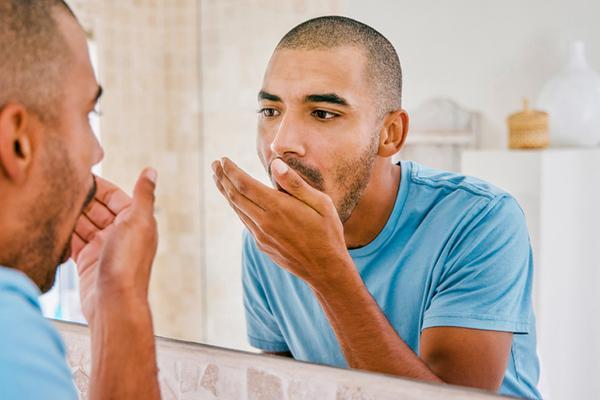
Q. My breath is really foul in the morning. I think it's okay the rest of the day. Why is there a difference? Am I more likely to develop bad breath all day long?
A. Bad breath is a common problem, especially first thing in the morning ("morning breath").
Morning breath is caused by breathing through the mouth during sleep. Saliva dries out, allowing bacteria to multiply and produce chemicals that smell bad. Any medicine or condition that reduces saliva flow can do the same.
Although morning breath is unpleasant, it can be quickly relieved by rinsing the mouth with water.
There are a number of reasons for bad breath during the day (halitosis). The most common is mouth bacteria that flourish all day long, not just at night. We all have millions of bacteria that live in our mouth. Some people have a lot more of the bacteria that releases the bad-smelling chemicals.
Poor oral hygiene, buildup of dental plaque, and unhealthy gums provide a wonderful place for these bacteria to thrive. And even when teeth and gums are healthy, it's bacteria on the tongue that is the reason for bad breath.
Obviously, certain foods can cause bad breath. Garlic and onions are classic examples. Reflux of stomach contents can do the same. Less common causes are infections in the mouth, sinuses, or lungs, and serious diseases of the liver or kidneys.
If you have bad breath, here's what to do:
- Keep your saliva flowing. Drink plenty of water and chew sugarless gum. Avoid medicine that dries your mouth if possible.
- See your dentist regularly and get prompt treatment for any problems.
- Practice good oral hygiene. Regularly floss and brush. Remember to brush your tongue as well as your teeth.
- Avoid foods that seem to contribute to your problems.
- Don't smoke or chew tobacco.
- Use an antibacterial mouthwash.
- Keep breath mints on hand for a quick temporary cover-up.
Image: © Moyo Studio/Getty Images
About the Author

Howard E. LeWine, MD, Chief Medical Editor, Harvard Health Publishing; Editorial Advisory Board Member, Harvard Health Publishing
Disclaimer:
As a service to our readers, Harvard Health Publishing provides access to our library of archived content. Please note the date of last review or update on all articles.
No content on this site, regardless of date, should ever be used as a substitute for direct medical advice from your doctor or other qualified clinician.



