CoQ10: Should you take this popular supplement if you're on a statin?

Microplastics: A hidden health threat?

Oat vs. dairy milk: Nutrition, benefits, and downsides

What is tempeh? Benefits, nutrition, and how to use it

Healing after food poisoning

Children of centenarians may stay healthier and live longer too, study finds

Light exposure at night may raise risk for heart disease

A lumbar belt may help ease low back pain

Whole grains may improve several heart risk factors at once

Signs of pneumonia: Sometimes vague and unexpected
Temporomandibular joint disorders (TMJ) Archive
Articles

What could cause my tongue to turn dark brown and fuzzy?
A brown, furry-looking tongue and odd taste sensations can reflect changes in saliva, bacteria, and hygiene. This condition often improves with simple care.
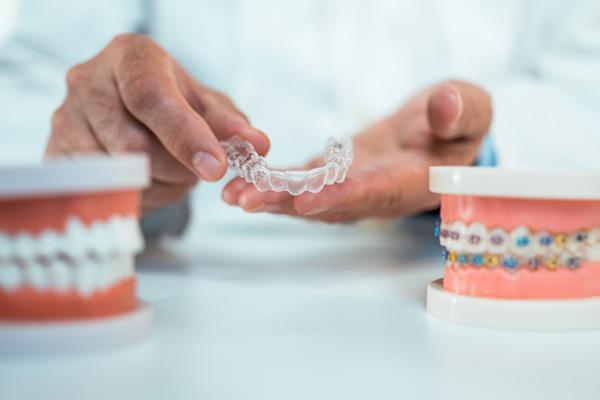
Want to prevent shifting teeth? Maybe you need retainers
Retainers have benefits beyond keeping a nice smile after braces, aligners, or other orthodontic treatment. The appliances help maintain teeth alignment, protecting them from extra wear and tear. Several types of retainers can help. The choice depends on a person's needs and habits.
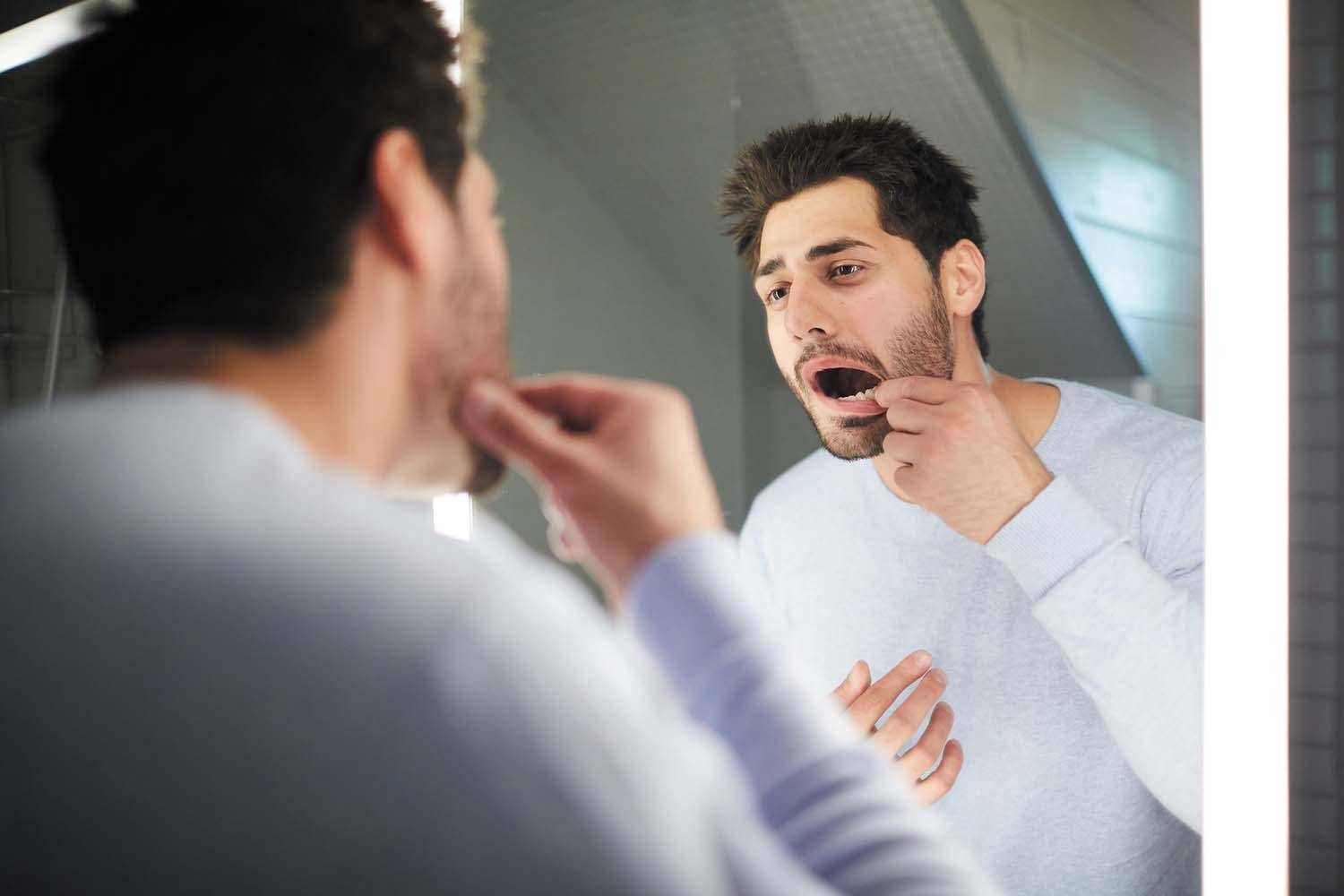
Can you reverse and prevent early gum disease?
Gingivitis occurs when sticky plaque and hard tartar form at and below the gums. Brushing and flossing teeth, plus getting regular cleanings at the dentist's office, can help reverse and prevent gingivitis.
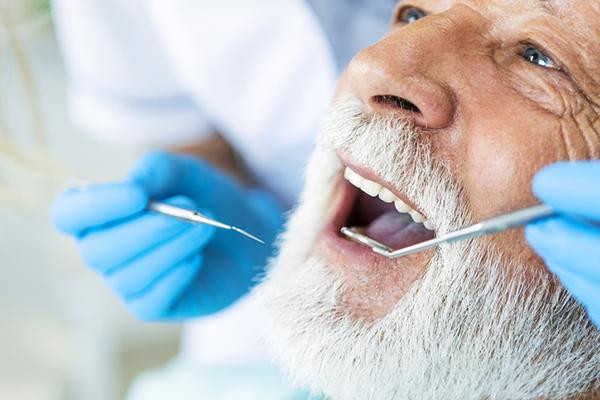
Gum disease may increase the risk for stroke and cognitive decline
A 2025 study found that in brain MRI scans, people with any evidence of gum disease were more likely to have higher amounts of a marker for disease in the brain's small blood vessels, compared to people without gum disease.

Is constant gum-chewing a bad idea?
Evidence suggests that chewing gum can help people feel more focused and less stressed. Chewing sugar-free versions can hinder cavities. But constant gum-chewing can tire jaw muscles, and xylitol-containing gum can trigger abdominal distress.


4 ways your teeth and gums are changing
As people age, their teeth and gums can change. Examples include receding gums, shifting teeth, changing tooth color, and reduced tooth pain. These changes can be due to the wear and tear that comes with age, the development of disease, or natural changes in the components of tooth material. Dentists stress the importance of brushing and flossing teeth daily, getting teeth professionally cleaned twice a year, and talking to a dentist about solutions to dental problems.

Over-the-counter pills better than opioids after dental surgery
In a 2025 study of 1,800 patients undergoing dental surgery, a combination of two over-the-counter pain relievers was more effective and produced fewer side effects than prescription opioids for treating postsurgical pain.


Why do I choke on my saliva?
People may choke on their own saliva when talking quickly, laughing, or turning their head. Other causes include postnasal drip or dry mouth, which medications may trigger. Certain health conditions can also affect swallowing.
CoQ10: Should you take this popular supplement if you're on a statin?
Microplastics: A hidden health threat?
Oat vs. dairy milk: Nutrition, benefits, and downsides
What is tempeh? Benefits, nutrition, and how to use it
Healing after food poisoning
Children of centenarians may stay healthier and live longer too, study finds
Light exposure at night may raise risk for heart disease
A lumbar belt may help ease low back pain
Whole grains may improve several heart risk factors at once
Signs of pneumonia: Sometimes vague and unexpected
Free Healthbeat Signup
Get the latest in health news delivered to your inbox!
Sign Up