

Even a little exercise linked with lower stroke risk in people with afib

Testosterone therapy without evidence of deficiency may boost heart risk

Weight-loss drug may lower risk of heart attacks and infections

What to eat on the DASH diet

Migraine: How it's diagnosed and what that means

Tricep workouts you can do at home

Mindfulness practices to reduce stress and improve focus

Antihistamines may not offer meaningful relief from eczema symptoms

Overweight and taking blood pressure medications: Study finds it's a trend that's working

FDA approves first mRNA-based flu vaccine
Surgical treatments and procedures Archive
Articles

Staving off heart problems in your 80s and beyond
For people in their 80s and beyond, the advice for preventing and treating heart disease is similar to that for young people, especially with respect to staying physically active. But octogenarians may need to adjust their medication regimens. Low-dose aspirin is not recommended after age 70, and doses of anti-clotting medications may need to be reduced. Some people may also need to dial back their blood pressure medications if they experience side effects such as dizziness.

Comparing traditional and robotic-assisted surgery for prostate cancer
Today, most surgeries to remove the prostate gland in men with prostate cancer are performed with robotic assistance, which ostensibly offers quality-of-life advantages. But how does this method compare with traditional open surgery? A recent study provides some clarity.

Harvard Health Ad Watch: A blood thinner winner?
Medicines known as blood thinners are prescribed as long-term treatment to avoid initial or recurring blood clots that could cause serious complications. What does an ad in heavy rotation about the brand name blood thinner Eliquis get right and what else do you need to consider?

Erectile dysfunction drug may lower Alzheimer's risk
A 2021 study suggests that sildenafil (Viagra, Revatio), which is used to treat erectile dysfunction and pulmonary arterial hypertension, might also protect against Alzheimer's disease.

High blood pressure? Certain drugs may compound the problem
Almost 20% of people with hypertension may be taking medications that raise blood pressure, most often pain relievers such as ibuprofen (Advil) and naproxen (Aleve). Other classes, such as certain antidepressants, may also increase blood pressure.

Smart questions to ask about a new prescription
There are many questions a patient should ask when a new medication is prescribed. Examples include why the medication is needed, what side effects to watch for, whether it might interfere with other drugs, how to take the drug, how long to take it, what to do for a missed dose, how to store it, how much it costs, whether there's a generic form, what signs indicate the drug is working, and how to get refills.

Does the sex of your surgeon matter? A new study says yes
If you need surgery, does the sex of the surgeon matter? A study reviewed procedures done in Canada over a 12-year period involving more than a million adults, and found that in general, people operated on by female surgeons were less likely to experience complications. But why?

Do older adults benefit from blood pressure treatment?
A study published online Aug. 26, 2021, by The Lancet found that blood pressure treatment protects against heart attacks, strokes, and other major cardiovascular disease problems in people up to age 85 and possibly older. For people younger than 75, the study confirmed that people taking blood pressure medicines had 10% to 20% fewer cardiovascular disease problems. For people 75 to 84, there still was a 10% reduction. For people older than 85, the results were mixed, but there still appeared to be a benefit from blood pressure treatment.
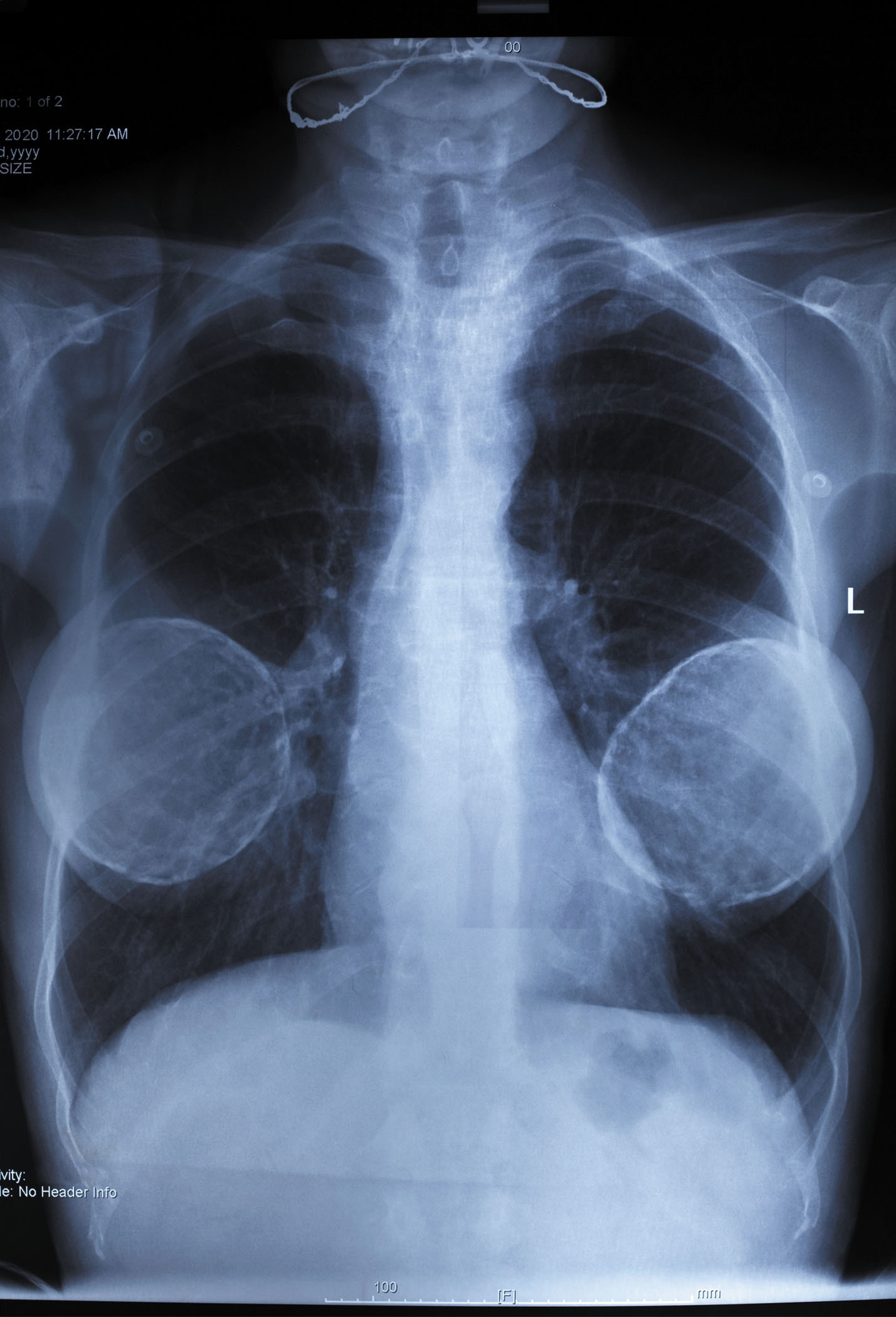
FDA wants women to understand the risks and benefits related to breast implants
The FDA recently moved to help make certain that women considering breast implants have a clear picture of what implants involve before moving ahead with surgery. The agency announced a series of changes in October 2021. These include new labeling requirements for breast implant manufacturers, a requirement that facilities provide patients with a checklist outlining potential risks and benefits related to breast implants, and updated screening recommendations to detect leaks in silicone breast implants.

How stimulants may affect your heart
Stimulant medications, which are usually prescribed to treat attention deficit disorder in children, are being prescribed increasingly to older adults. These drugs may cause a short-term spike in the risk of heart-related problems, including heart attacks, strokes, and arrhythmias. Dietary supplements that promise weight loss or better physical or mental performance may contain prohibited, unlisted, and potentially dangerous stimulants.
Even a little exercise linked with lower stroke risk in people with afib
Testosterone therapy without evidence of deficiency may boost heart risk
Weight-loss drug may lower risk of heart attacks and infections
What to eat on the DASH diet
Migraine: How it's diagnosed and what that means
Tricep workouts you can do at home
Mindfulness practices to reduce stress and improve focus
Antihistamines may not offer meaningful relief from eczema symptoms
Overweight and taking blood pressure medications: Study finds it's a trend that's working
FDA approves first mRNA-based flu vaccine
Free Healthbeat Signup
Get the latest in health news delivered to your inbox!
Sign Up
