

Tai chi walking: What is it and does it work?

Fatty liver disease: Should you be tested?

Weight-loss drug may lower risk of heart attacks and infections

Testosterone therapy without evidence of deficiency may boost heart risk

Even a little exercise linked with lower stroke risk in people with afib

Antihistamines may not offer meaningful relief from eczema symptoms

What to eat on the DASH diet

FDA approves first mRNA-based flu vaccine

Migraine: How it's diagnosed and what that means

Mindfulness practices to reduce stress and improve focus
Social engagement and relationships Archive
Articles

Midlife fitness may stave off depression and heart disease
Research we're watching
Image: © Juanmonino/Getty Images
Depression and heart disease often overlap. As many as one in five people with heart disease has depression. This common mood disorder is also linked to a higher risk of dying of heart disease.
Now, new research lends further support for the protective role of exercise for both conditions. The study, published online June 27 by JAMA Psychiatry, included nearly 18,000 people (mostly male) and used records dating back to the early 1970s. Researchers found that people who were fit during middle age were 16% less likely to develop depression after age 65.

Your health through the decades
These strategies keep you healthy and safe through your 60s, 70, and 80s.
Image: © kali9/Getty Images
After age 60, men tend to get thrown together — the so-called 60-and-older group — even though most are quite different in terms of their health.
"While many men are still very fit well into their 60s, 70s, and 80s, others face health challenges and chronic diseases that make daily living difficult," says Dr. Howard LeWine, assistant professor of medicine at Harvard Medical School.

Do nail changes signify a health problem?
On call
Q. I am 65 and have noticed a decline in the quality of my fingernails. Should I worry about some underlying medical condition?
A. For the most part, changes in fingernail shape and appearance are simple signs of normal aging and are nothing to worry about. Fingernails naturally grow slower as we age, and their appearance may change, too. Nails can become yellowed, dull, and brittle. They may develop tiny longitudinal ridges and become thinner and more fragile. You can't do anything about these kinds of fingernail changes, but you can reduce the risk of splitting and breaking that often accompanies them. For example:

Looking for an earlier sign of Alzheimer’s disease
Subjective cognitive decline often appears before memory loss and other symptoms.
Recent research suggests that the brain changes leading to Alzheimer's disease begin many years before the onset of symptoms.
Most often the disease is not diagnosed until it exists in full force, so finding earlier changes in thinking or behavior may help scientists better understand this process.

Rethinking the 30-minute workout
You can still receive benefits from doing less than this recommended amount of aerobic exercise.
Image: © Masuti/Getty Images
Federal guidelines advocate 150 minutes of moderate-intensity aerobic activity per week for optimal health, which breaks down to 30 minutes, five days a week.
Yet the ongoing challenge is how to incorporate these minutes into your daily life. What if you can't find the time? And what happens to your health if you can't hit that number every week?

The art of pain therapy
Art therapy can be an effective way to help manage pain.
Image: © Zinkevych/Getty Images
If you deal with pain from an injury, surgery, or just daily life, you may want to make some art.
Art therapy is a form of expressive therapy that taps into parts of the brain involved in the creative process. And this can help modify your response to emotional and physical concerns.

Arthritis drugs do little for sufferers’ mental health
In the journals
Many people with rheumatoid arthritis (RA) also deal with ongoing depression and anxiety related to their pain and disability. While drugs used to treat the disease help alleviate the joint pain and stiffness, a recent study suggests they may not extend to improving patients' mental health.
The findings, published online June 6, 2018, by Arthritis & Rheumatology, reviewed more than 70 clinical trials and found only a small association between various drugs used for RA, such as adalimumab (Humira), rituximab (Rituxan), abatacept (Orencia), and tocilizumab (Actemra), and mental health outcomes in patients.

Tips to cope when it’s time to downsize
Asking for help from friends and family and then engaging with your new community will get you through the transition.
Image: © IPGGutenbergUKLtd/Getty Images
Downsizing from a large home to a smaller one is a fact of life for many older adults. The reason may be finances, health issues, or a desire to simplify your lifestyle. But making the transition can bring a host of emotions: sadness, grief, stress, or anxiety.
Understanding the triggers for these feelings and using strategies to navigate them may not change how you feel, but it may help the downsizing process go more smoothly so you can focus on your next chapter.

Is whole-body cryotherapy effective and safe?
Ask the doctors
Q. A friend of mine recommended I try whole-body cryotherapy for arthritis pain. Is this technology proven to work?
A. Whole-body cryotherapy is a technology designed to cool the body by exposing it to subzero temperatures (typically –200° to –300° F) for short sessions of two to four minutes. In some cases, people sit in a cold room; in others, they are placed in a special enclosure that cools them from the neck down. The theory behind cryotherapy is that cold temperatures can reduce inflammation and swelling in the body — much like an ice pack would on your swollen ankle. People who promote cryotherapy claim it can help treat symptoms related to numerous conditions, including arthritis, asthma, depression, and chronic pain, among others. They also claim that whole-body cryotherapy can aid in weight loss, soothe sore muscles, boost metabolism, and even get your blood circulating more efficiently. But while that may sound great, there's really no scientific proof that whole-body cryotherapy is safe, or any evidence to support claims about its health benefits, according to the FDA. And the FDA has not cleared or approved any whole-body cryotherapy device to treat any medical condition. In short, whole-body cryotherapy is still unproven and could potentially bring risks, so if you are considering using the technology, it's a good idea to discuss the decision with your doctor first.
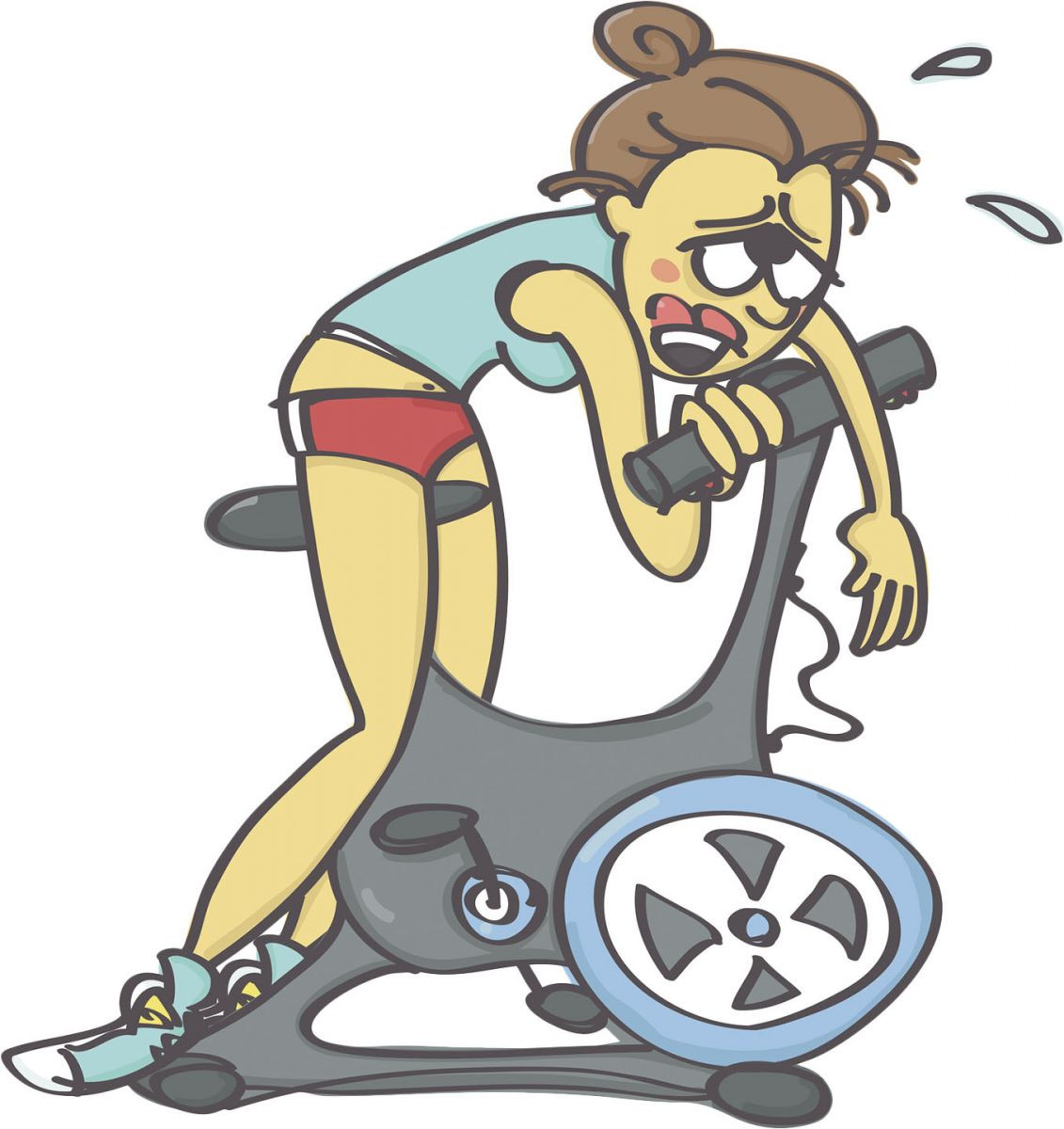
How to get a move on
Even if you've been sedentary for many years, a slow and steady incremental approach can help you reach your workout goals.
Some people count the time since their last workout in hours or days. But you may count yours in years, maybe even decades. You know you need to start exercising to improve or maintain your health. But it's been so long, where do you even start?
The first thing you should know is it's not too late, says Dr. Beth Frates, an assistant professor of physical medicine and rehabilitation at Harvard Medical School and director of wellness programming for the Stroke Research and Recovery Institute at Spaulding Rehabilitation Hospital. Exercise can benefit almost everyone, regardless of age or health status. Provided you get your doctor's okay, you can start now.
Tai chi walking: What is it and does it work?
Fatty liver disease: Should you be tested?
Weight-loss drug may lower risk of heart attacks and infections
Testosterone therapy without evidence of deficiency may boost heart risk
Even a little exercise linked with lower stroke risk in people with afib
Antihistamines may not offer meaningful relief from eczema symptoms
What to eat on the DASH diet
FDA approves first mRNA-based flu vaccine
Migraine: How it's diagnosed and what that means
Mindfulness practices to reduce stress and improve focus
Free Healthbeat Signup
Get the latest in health news delivered to your inbox!
Sign Up
