

Tai chi walking: What is it and does it work?

Fatty liver disease: Should you be tested?

Weight-loss drug may lower risk of heart attacks and infections

Testosterone therapy without evidence of deficiency may boost heart risk

Even a little exercise linked with lower stroke risk in people with afib

Antihistamines may not offer meaningful relief from eczema symptoms

What to eat on the DASH diet

FDA approves first mRNA-based flu vaccine

Migraine: How it's diagnosed and what that means

Mindfulness practices to reduce stress and improve focus
Social engagement and relationships Archive
Articles

Rating heart monitors
Here is why you should invest in this fitness technology.
Image: © Nastasic/Getty Images
There is a lot of technology that tracks your health, from counting steps to counting burned calories. One of the most valuable fitness tools though is a heart rate monitor, which tells you how many beats your heart takes per minute.
"Whether you're just getting started with an exercise routine or are a committed fitness enthusiast, tracking your heart rate can help you maintain the necessary moderate level of intensity for optimal benefits without worrying about doing too much or too little," says Dr. Aaron L. Baggish, associate director of the Cardiovascular Performance Program at Harvard-affiliated Massachusetts General Hospital.

Poor vision affects driving skills and brain function
In the journals
Image: © Martin Barraud/Getty Images
More reasons to take good care of your eyes: it may protect against cognitive decline and keep you safe behind the wheel, according to two studies published online June 28, 2018, by JAMA Ophthalmology.
In the first study, researchers looked at almost 560,000 adults ages 65 and older and found they had 9% fewer serious car crashes in the year following cataract surgery. Besides causing blurry vision, cataracts can intensify the glare from headlights and sunlight, which can make driving dangerous, according to the researchers.

Feeling young could signal a younger brain
In the journals
People who feel younger than their actual age also may have brains that age more slowly, suggests a small study published online June 7, 2018, by Frontiers in Aging Neuroscience.
Scientists took brain scans of 68 healthy older adults, ages 59 to 84, to measure the volume of gray matter in various regions. The participants then answered surveys to determine if they felt older or younger than their age and to measure their cognitive abilities and perceptions of overall health.

Depression and illness: Chicken or egg?
| Image: iStock |
When depression strikes, doctors usually probe what's going on in the mind and brain first. But it's also important to check what's going on in the body, since certain medical problems are linked to mood disturbances. In fact, medical illnesses — and medication side effects — may be behind nearly 10% to 15% of all cases of depression.
It's not uncommon for a physical illness to trigger depression. Up to half of heart attack survivors and those with cancer report feeling blue, and many are diagnosed with depression. Many people who have diabetes, Parkinson's, or other chronic conditions become depressed.

School refusal: When a child won’t go to school
The adjustment from summer vacation back to the structure and demands of the school year affects many students, but some experience so much anxiety that they avoid going to school. Understanding the reasons for school refusal can help parents identify problems and act quickly.

Writing as an antidote to loneliness
Because social connections are vital to human development and health, and writing is a way to form or strengthen a sense of connection to others, the creative expression of writing has been found to improve health and boost healthy emotions.

Depression risks in the medicine cabinet
News briefs
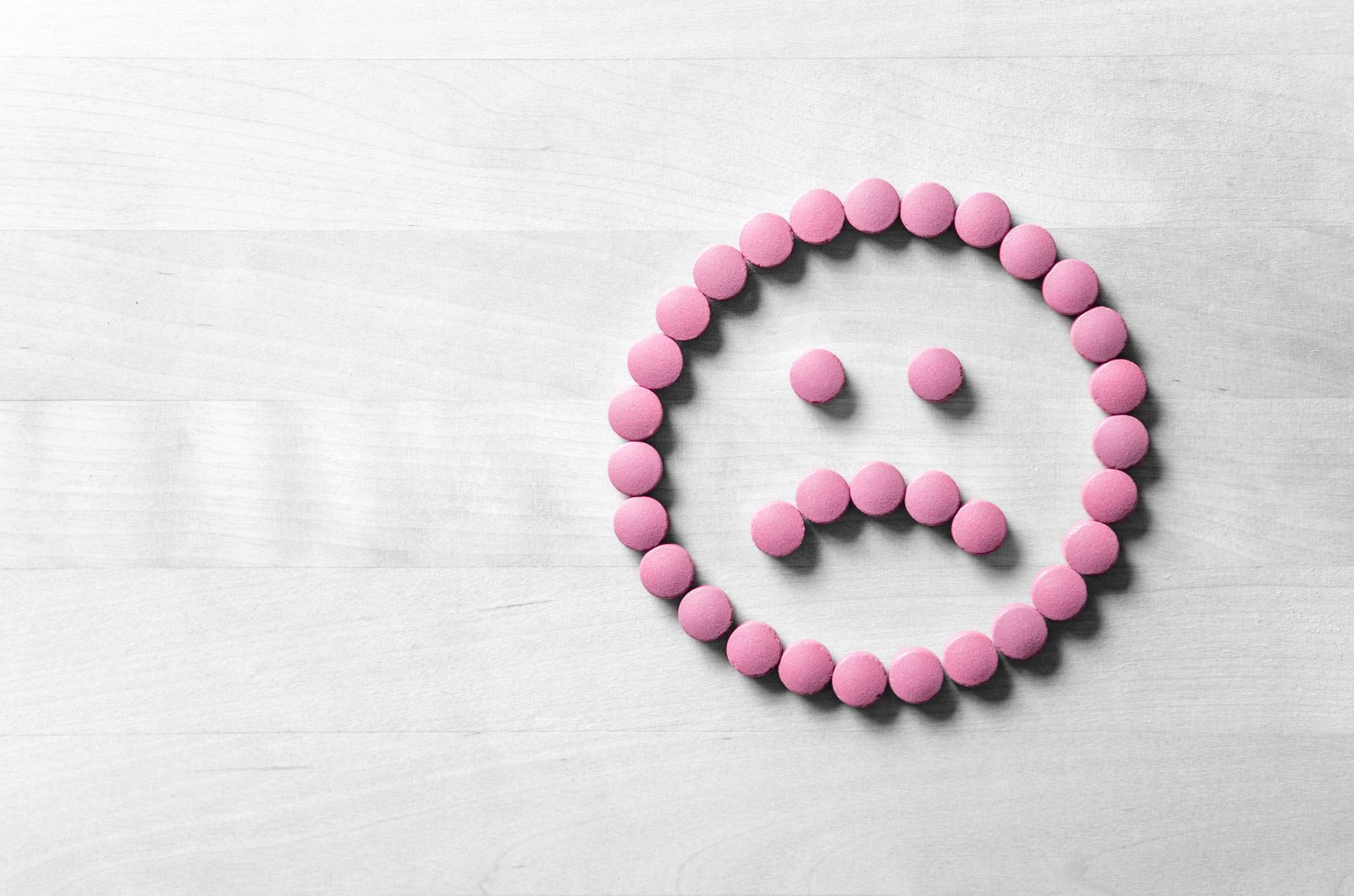
Are you taking a medication that has depression or suicidal thinking as a potential side effect? One or both risks have been linked to use of more than 200 prescription and over-the-counter pills, including medicines that treat high blood pressure, heartburn, pain, and headaches. The more of these drugs you use, the higher the likelihood that you'll experience depression, suggests a study published June 12, 2018, in The Journal of the American Medical Association. Working with five surveys conducted over a nine-year period, researchers evaluated health information from 26,192 adults. About 37% of them reported taking such medications. Of individuals taking three or more of the medications with depression as a possible side effect, about 15% reported depression, compared with about 5% in people not using those medications. Even for people already taking an antidepressant, the addition of one or more of the identified medicines was linked to higher rates of depression. This study was based on surveys, so it didn't prove that the medications caused the reported depression. Nonetheless, if you think you're depressed (and have symptoms such as apathy, hopelessness, changes in sleep or eating habits, and persistent fatigue), ask your doctor if any of the medicines you are taking may be responsible.
Image: © Tero Vesalainen | GettyImages

Virtual visits and high blood pressure
News briefs
If your doctor offers a way to monitor your chronic health condition via computer, consider giving it a try. A Harvard study that was published online April 23, 2018, by the Journal of General Internal Medicine found that people who had "virtual" office visits over the Internet were able to control their blood pressure just as well as people who had in-person follow-up office visits — and they used fewer health care services over all. Researchers compared the health outcomes of two groups. One group included about 900 people with high blood pressure who had in-office follow-up visits. The other group included about 900 people who had "virtual" follow-up visits, which meant they used a website to enter blood pressure readings, track their medications and side effects, and ask questions; their doctors determined whether to follow up by computer or phone or to schedule in an in-office visit. Over the course of six months, blood pressures improved for people in both groups. But people in the virtual care group averaged about one fewer office visit than people in the other group, and they had fewer emergency room visits and hospitalizations over all. The authors say the results support using virtual follow-up visits for other chronic diseases. Indeed, many health care providers already are doing so, including one group in the study — Massachusetts General Hospital, which uses virtual care to follow 65 different kinds of chronic disease.
Image: © AndreyPopov | GettyImages

Americans aren’t meeting exercise goals
News briefs
Image: © mheim3011/Getty Images
Not getting enough exercise? You're not alone, suggests a report published online June 28, 2018, by the CDC's National Center for Health Statistics. Researchers looked at health survey information collected from all 50 states and the District of Columbia from 2010 to 2015. The results: Among adults ages 18 to 64 years old, just 27% of men and 19% of women met the guidelines for both aerobic and muscle-strengthening activities. The numbers were a little higher for men and women who worked, and lower if they were unemployed. The level of activity also varied by state, with 32% of men and women in Colorado meeting both activity goals, compared with just 13.5% in Mississippi. The takeaway: We all need at least 150 minutes per week of moderate-intensity exercise (like brisk walking), and muscle-strengthening exercise twice a week. If you're not meeting these goals, consider ways to increase your exercise activity. Even a few extra minutes per day will get you closer to your goals and better health.
Tai chi walking: What is it and does it work?
Fatty liver disease: Should you be tested?
Weight-loss drug may lower risk of heart attacks and infections
Testosterone therapy without evidence of deficiency may boost heart risk
Even a little exercise linked with lower stroke risk in people with afib
Antihistamines may not offer meaningful relief from eczema symptoms
What to eat on the DASH diet
FDA approves first mRNA-based flu vaccine
Migraine: How it's diagnosed and what that means
Mindfulness practices to reduce stress and improve focus
Free Healthbeat Signup
Get the latest in health news delivered to your inbox!
Sign Up
