

Naturally gluten-free foods

Harvard study: Healthier fats linked to longer life after prostate cancer diagnosis

Shingrix shingles vaccine linked with lower heart disease risks

Estrogen-only hormone therapy tied to lower dementia risk

Should you have a hysterectomy?

Stair climbing may significantly lower cardiovascular risks

Why do I sweat so much?

Walking pneumonia: The "mild" illness that can still pack a punch

What causes knee pain: How doctors make a diagnosis

Where you carry excess weight matters in predicting heart disease risk
Sexually transmitted infections (STIs) Archive
Articles

Why sitting may be hazardous to your health
Interrupting sedentary time with short bouts of exercise may diminish the dangers of inactivity.
Image: Image_Source_/iStock
Every time we think we have a handle on all the things that are bad for us, another one is added to the list. A few years ago, researchers put inactivity on the roster of major health risks. "Everybody knows smoking is bad for your health. But what isn't common knowledge is that physical inactivity is as powerful a risk factor as smoking," says Dr. I-Min Lee, professor of medicine at Harvard Medical School. Dr. Lee, who has studied the effects of exercise for more than a decade, was one of the first to identify inactivity as a health hazard.
Dr. Lee was among the experts contributing to a special issue on health and exercise of the British journal The Lancet commemorating the 2012 Olympic Games in London. She and her colleagues pored over reports from scores of large observational studies conducted worldwide in which participants answered questions about their lifestyles, including their levels of physical activity, and were then followed over a period of years to see how they fared. When the researchers compared the health outcomes of participants who were inactive—those getting less than 150 minutes a week of moderate exercise—to those who got more exercise, they found that inactivity alone counted for an increased risk of breast and colon cancers as well as heart disease and diabetes. They computed that inactivity was responsible for more than five million deaths a year worldwide, about the same as the number of deaths attributable to smoking.

Dry skin? Moisturizers can help
Many products are designed to absorb water into the skin, keep it from evaporating, or both.
Image: Bigstock
If you grew up watching Doris Day movies, you may have assumed she was privy to skin treatments that weren't available to the general public. However, as she revealed in her autobiography, Vaseline (petrolatum) was the key to keeping her skin soft and smooth.
Things have changed quite a bit in the last 50 years. Petrolatum is still a popular staple, but there is now a dizzying array of newer moisturizers, many with a baffling list of ingredients on their labels. However, they all are designed to either add moisture to the skin or keep it there. Many do both. "Think of moisturizers as putting a barrier between your skin and the cold, dry air," says Dr. Kenneth Arndt, professor of dermatology at Harvard Medical School and faculty editor for the Harvard Health Publications Special Health Report Skin Care and Repair (www.health.harvard.edu/SCR.)

The longer you carry extra pounds, the higher your cancer risk, study suggests
Degree and duration of overweight were linked with an increased risk of several cancers among 74,000 participants in the Women’s Health Initiative.

Calcium supplementation linked to dementia risk in some women
Calcium supplementation was associated with three to seven times the risk for dementia among older women with cerebrovascular disease.

Talk to the animals
Animal-assisted therapy can be your best friend when it comes to mental support.
Image: Jevtic /Thinkstock
They say a dog is man's best friend, but when it comes to better health, any type of animal bonding will do.
Research shows that interaction with animals like dogs, cats, and even horses can have both immediate and long-lasting impacts on your mental well-being. Done more formally in a medical context, it's known as animal-assisted therapy (AAT).
Should I worry about a heart murmur?
Heart murmurs can occur when people are young and then return in older age. There are three main causes in adults: increased volume or speed of blood flowing through a normal heart, a stiff heart valve, or a leaky heart valve. Most do not lead to heart problems, but a change in the murmur’s intensity or the appearance of symptoms like shortness of breath, light-headedness, or chest pain would prompt a further medical evaluation.
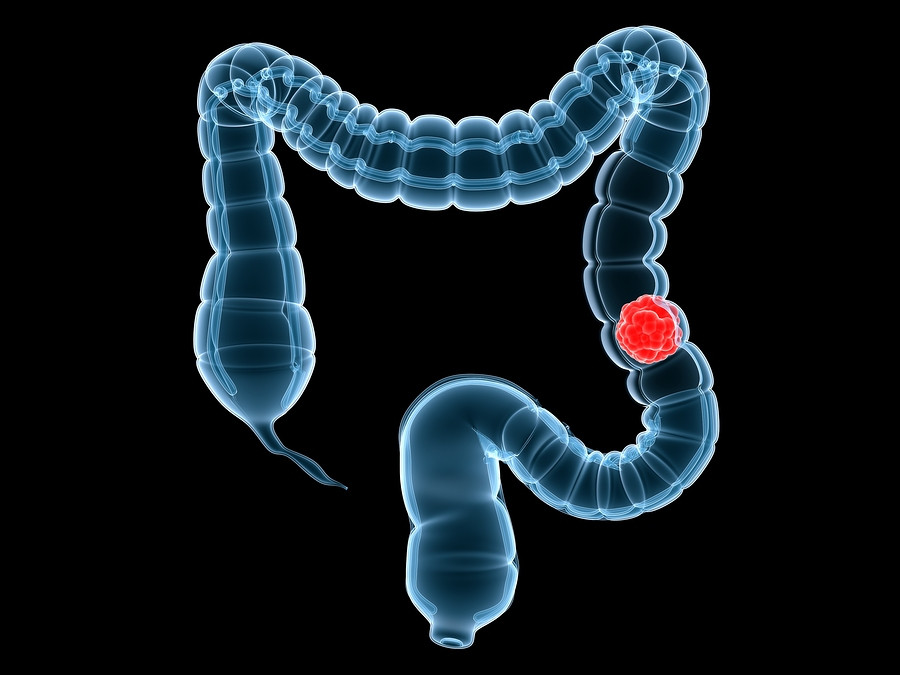
A new look at colon cancer screening
Don't be intimidated about screening tests. The latest guidelines suggest you can choose from multiple strategies.
Image: Bigstock
Colon cancer continues to be the country's second leading cause of cancer-related deaths and the third most common cancer in men, according to the CDC.
It almost always develops from precancerous polyps (abnormal growths). Screening tests, which are recommended for men ages 50 to 75, help find and sometimes aid removal of polyps before they become cancer. (Men older than 75 may still benefit, depending on their health.)
Higher levels of omega-6 fatty acids may lower death rates in older men
A new study found that high levels of omega-6 fatty acids in the subcutaneous adipose tissue—the layer of fat just beneath the skin—correlated with lower death rates among older men. Omega-6s mostly come in the form of linoleic acid, found in plant oils (such as corn, soybean, and sunflower oils) as well as nuts and seeds. Linoleic acid is known to shrink levels of bad LDL cholesterol in the blood, which can contribute to lower incidence of heart disease.

Naturally gluten-free foods
Harvard study: Healthier fats linked to longer life after prostate cancer diagnosis
Shingrix shingles vaccine linked with lower heart disease risks
Estrogen-only hormone therapy tied to lower dementia risk
Should you have a hysterectomy?
Stair climbing may significantly lower cardiovascular risks
Why do I sweat so much?
Walking pneumonia: The "mild" illness that can still pack a punch
What causes knee pain: How doctors make a diagnosis
Where you carry excess weight matters in predicting heart disease risk
Free Healthbeat Signup
Get the latest in health news delivered to your inbox!
Sign Up
