
Sacroiliac joint pain: Causes, symptoms, and exercises that help

What causes knee pain: How doctors make a diagnosis
Study: At-home colorectal cancer screening may significantly cut colon cancer deaths

Where you carry excess weight matters in predicting heart disease risk

Tai chi walking: What is it and does it work?
Fatty liver disease: Should you be tested?

Weight-loss drug may lower risk of heart attacks and infections

Testosterone therapy without evidence of deficiency may boost heart risk

Even a little exercise linked with lower stroke risk in people with afib

FDA approves first mRNA-based flu vaccine
Screenings and procedures Archive
Articles

Staying regular
"Regular" bowel movements can mean something different for each person. Some people have a bowel movement once or twice daily; for others, it's once or twice weekly. People should see a doctor if they notice a dramatic change in bowel habits or other symptoms, including fatigue, pain, unintended weight loss, bloody stool, or a change in stool consistency. People can promote digestion by maintaining a toileting schedule, heeding their body's signals, and using a toilet stool.
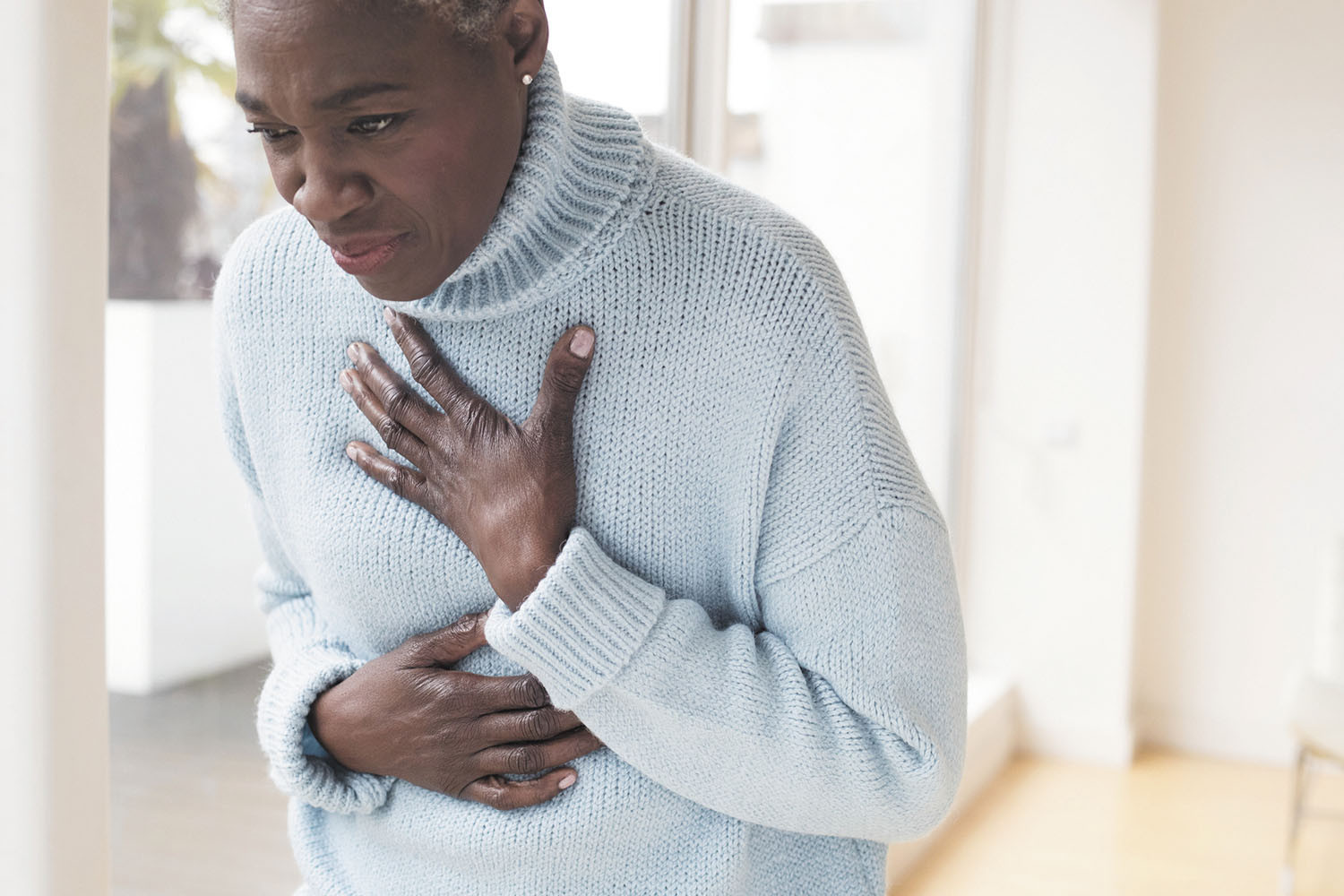
Hormone therapy linked to higher risks of GERD
A 2023 study suggests that women who have used menopausal hormone therapy are significantly more likely to develop gastroesophageal reflux disease (GERD).

Try this natural remedy to stay regular
Eating two peeled kiwifruits per day may help ease constipation, according to a small randomized trial published in 2023. The effectiveness of eating kiwifruits was slightly greater than that of using a daily fiber supplement such as Metamucil or Fiberall.

When — and how — should you be screened for colon cancer?
In the US population as a whole, deaths from colon cancer have been declining, but in people under 50 that rate has increased. Most major medical organizations recommend screening beginning at age 45 for people at average risk.

7 organs or glands you may do just fine without
Removing tonsils in childhood was once routine care for healthy children, but is no longer recommended. Why are some organs and glands — appendix, tonsils, adenoids and more — considered expendable and why do we have them if they're not needed?




Sacroiliac joint pain: Causes, symptoms, and exercises that help
What causes knee pain: How doctors make a diagnosis
Study: At-home colorectal cancer screening may significantly cut colon cancer deaths
Where you carry excess weight matters in predicting heart disease risk
Tai chi walking: What is it and does it work?
Fatty liver disease: Should you be tested?
Weight-loss drug may lower risk of heart attacks and infections
Testosterone therapy without evidence of deficiency may boost heart risk
Even a little exercise linked with lower stroke risk in people with afib
FDA approves first mRNA-based flu vaccine
Free Healthbeat Signup
Get the latest in health news delivered to your inbox!
Sign Up
