

Even a little exercise linked with lower stroke risk in people with afib

Testosterone therapy without evidence of deficiency may boost heart risk

Weight-loss drug may lower risk of heart attacks and infections

What to eat on the DASH diet

Migraine: How it's diagnosed and what that means

Tricep workouts you can do at home

Mindfulness practices to reduce stress and improve focus

Antihistamines may not offer meaningful relief from eczema symptoms

Overweight and taking blood pressure medications: Study finds it's a trend that's working

FDA approves first mRNA-based flu vaccine
Sciatica Archive
Articles

Easing the ache
Osteoarthritis pain can be debilitating. Strategies can help get you moving again.
Pain from osteoarthritis is more than just a nuisance. Knee pain, in particular, can not only keep people from exercising, but also have a chilling effect on their ability to participate in social activities, especially those that involve walking or traveling, says Elena Losina, the Robert W. Lovett Professor of Orthopedic Surgery at Harvard Medical School and co-director of the Orthopaedic and Arthritis Center for Outcomes Research at Brigham and Women's Hospital.
"In fact, the quality of life of a person with persistent pain due to knee osteoarthritis is similar to quality of life in women with metastatic breast cancer controlled by therapy," she says.

How can I treat painful night leg cramps?
On call
Q. I occasionally get an excruciating leg cramp that wakes me from sleep. What causes leg cramps, and how can I prevent them?
A. Although nocturnal leg cramps can strike people at any time of life, they become more frequent with age. Among people older than age 50, about half report having leg cramps, a third say they are awakened at night by them, and 15% report having cramps about once per week.
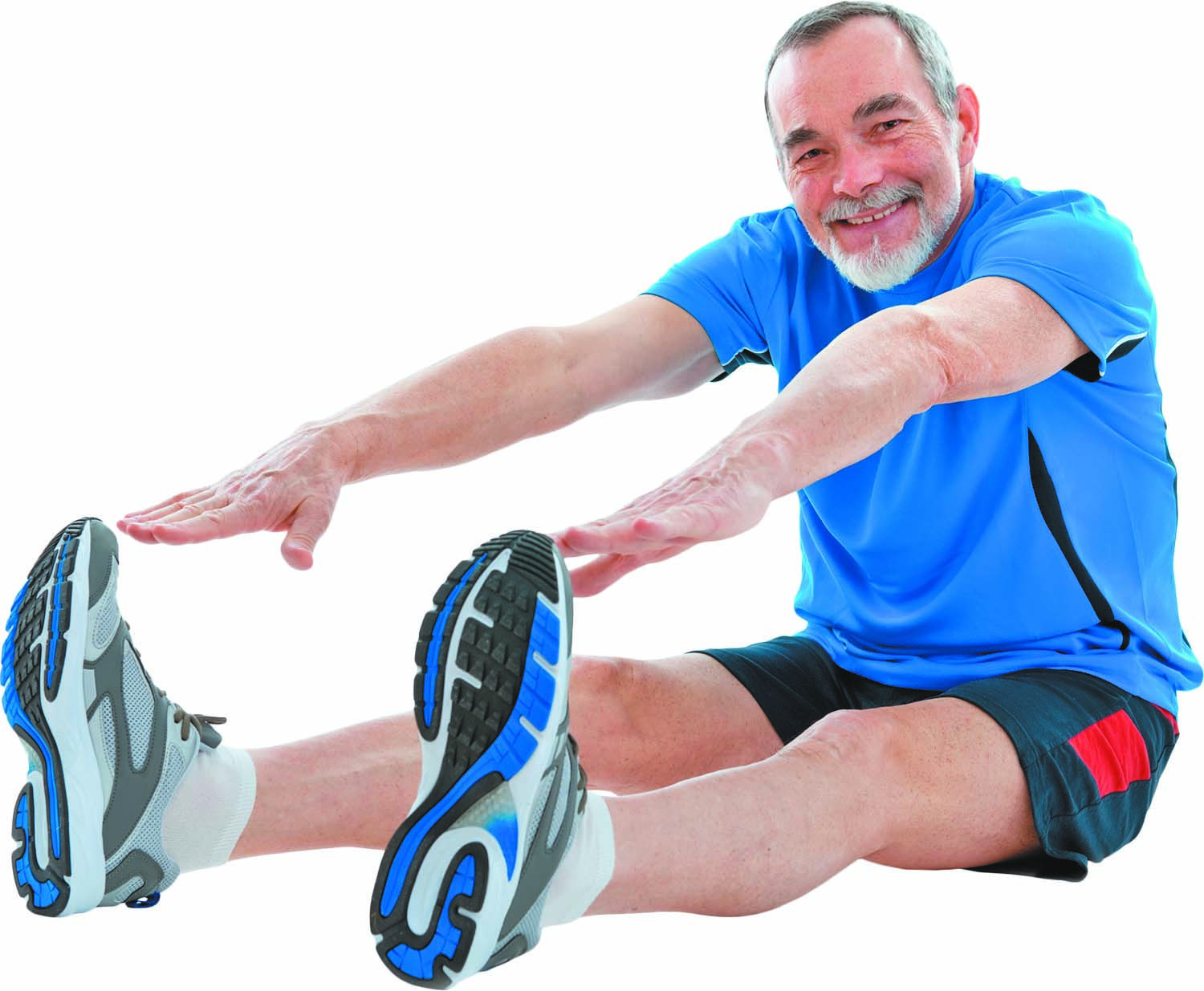
A plan for easy stretching
Stretching becomes crucial as you age. Here is a quick routine that addresses the major tight spots.
Stretching is much like flossing. You know it's good for your health, but for whatever reason, you may not always make time for it.
"Most people know they need to stretch more, but find it burdensome or are not sure what to do," says Urvashi Chogle, a physical therapist at Harvard-affiliated Spaulding Rehabilitation Network.


Getting a leg up on sciatica
Sciatica's (pronounced sigh-AT-eh-ka) hallmarks are pain and numbness that radiates down the leg, often below the knee. In nine out of 10 cases, sciatica is caused by a displaced disk in the lower spine.
The best medicine is often patience — with some stoicism mixed in — because the pain often goes away, even if the problem disk does not. Researchers have found that the pain usually improves within a month.


Even a little exercise linked with lower stroke risk in people with afib
Testosterone therapy without evidence of deficiency may boost heart risk
Weight-loss drug may lower risk of heart attacks and infections
What to eat on the DASH diet
Migraine: How it's diagnosed and what that means
Tricep workouts you can do at home
Mindfulness practices to reduce stress and improve focus
Antihistamines may not offer meaningful relief from eczema symptoms
Overweight and taking blood pressure medications: Study finds it's a trend that's working
FDA approves first mRNA-based flu vaccine
Free Healthbeat Signup
Get the latest in health news delivered to your inbox!
Sign Up
