

Harvard study: Healthier fats linked to longer life after prostate cancer diagnosis

Shingrix shingles vaccine linked with lower heart disease risks

Estrogen-only hormone therapy tied to lower dementia risk

Should you have a hysterectomy?

Stair climbing may significantly lower cardiovascular risks

Why do I sweat so much?

Walking pneumonia: The "mild" illness that can still pack a punch

What causes knee pain: How doctors make a diagnosis
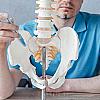
Sacroiliac joint pain: Causes, symptoms, and exercises that help

Where you carry excess weight matters in predicting heart disease risk
Preventive care Archive
Articles

Can you fight age-related voice changes?
Age-related changes to the vocal cords can make the voice sound thin, reedy, raspy, breathy, lower, or higher. Certain strategies can help protect the voice. Examples include avoiding overuse, such as trying to speak over loud noise all day; staying hydrated, which keeps the vocal cords working well; avoiding spicy foods and irritants in the air such as smoke, which can inflame the vocal cords; and avoiding frequent throat clearing.

Should I use a continuous glucose monitor?
Some people with diabetes use a device that continuously monitors the level of blood sugar. The monitor sends the information wirelessly to another device, such as a smartphone, so the person can easily see the blood sugar level. As of 2024, there is no solid evidence that these monitors can help people who do not have diabetes. However, the monitors may one day prove to be useful in people with diabetes risk factors, such as obesity, prediabetes, or a family history of diabetes.

Tips to change your night-owl lifestyle
Being a night owl might increase the risk of developing many health problems, so it might be worth it for night owls to go to sleep a little earlier. The sleep schedule must be shifted slowly to make a lasting change. Tips to do that include setting a bedtime goal between 11 p.m. and 1 a.m.; going to sleep 20 minutes earlier every five days, until the bedtime goal is reached; possibly using certain sleep aids until the bedtime goal is reached; and setting a consistent wake time no later than 9 a.m.

Can a spoonful of daily olive oil ward off dementia death?
A 2024 Harvard study of more than 92,000 healthy men and women (average age 56) found that consuming about half a tablespoon of olive oil per day was associated with a 28% reduction in the risk for dementia-related death, regardless of diet quality.

Stroke rates holding steady for people 65 or older, but increasing among younger people
A 2024 report from the CDC found that stroke rates are rising in middle-aged and even young adults. Scientists say the increase might be due to rising rates of obesity, high blood pressure, and opioid use. Stroke rates in people 65 or older have remained the same.

Living your best life
As people face their mortality, they often focus on how to live their best life in their remaining time. Two Harvard experts-Dr. Howard LeWine and Dr. Anthony Komaroff-share advice on how they are achieving this during their golden years. Some of their suggestions include embracing the natural changes of aging, doing inspiring activities, learning to live in the moment, and finding one's sense of purpose.

Take time to stretch
Contrary to popular belief, stretching probably won't help people avoid sore muscles or injuries, which often result from overuse. However, short but regular stints of stretching can improve flexibility (the ability to move the joints and muscles through their full range of motion) and help people stay active as they age. Improved flexibility can make it easier to do everyday tasks involving walking, climbing stairs, or reaching. And for people who hike, play pickleball, golf, or other sports, a regular stretching program may improve their performance.

Can you reduce your cholesterol without taking a drug?
People can reduce their LDL cholesterol in three ways. One strategy involves dietary changes, such as eating more fiber-rich foods and swapping saturated fats for unsaturated fat. Another is to take one of several dietary supplements, including psyllium, plant sterols, or red yeast rice. The third entails taking a prescription medication, such as a statin. Many factors can affect whether these different strategies are advisable or useful, including a person's age and other risk factors for heart disease, their current dietary habits, and the quality of the supplements they take.

Is arthritis preventable?
Osteoarthritis affects more women than men. Risk factors include earlier joint injuries, obesity, diabetes, heart disease, or family history. People can try to prevent arthritis by staying physically active, maintaining a healthy weight, and engaging in low-impact exercise.

Decoding poor circulation
Circulation problems affect how well arteries and veins function. . Artery problems are marked by diminished oxygen and nutrient rich blood flow to the brain and all other body parts. Related conditions include heart attack, stroke, and peripheral artery disease. Vein problems often arise when valves in the vessels weaken, allowing blood and fluids to pool. That can cause varicose veins, discolored skin on hands or feet, and swollen legs, ankles, or feet.
Harvard study: Healthier fats linked to longer life after prostate cancer diagnosis
Shingrix shingles vaccine linked with lower heart disease risks
Estrogen-only hormone therapy tied to lower dementia risk
Should you have a hysterectomy?
Stair climbing may significantly lower cardiovascular risks
Why do I sweat so much?
Walking pneumonia: The "mild" illness that can still pack a punch
What causes knee pain: How doctors make a diagnosis
Sacroiliac joint pain: Causes, symptoms, and exercises that help
Where you carry excess weight matters in predicting heart disease risk
Free Healthbeat Signup
Get the latest in health news delivered to your inbox!
Sign Up
