

Estrogen-only hormone therapy tied to lower dementia risk

Should you have a hysterectomy?

Stair climbing may significantly lower cardiovascular risks

Why do I sweat so much?

Walking pneumonia: The "mild" illness that can still pack a punch

Tai chi walking: What is it and does it work?

What causes knee pain: How doctors make a diagnosis
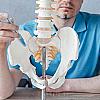
Sacroiliac joint pain: Causes, symptoms, and exercises that help

Where you carry excess weight matters in predicting heart disease risk

Study: At-home colorectal cancer screening may significantly cut colon cancer deaths
Preventive care Archive
Articles

Should you try these tools to clean your ears?
It's unnecessary to clean inside the ears unless someone has a blockage of earwax. Experts advise against using home earwax removal tools. Such tools include tiny cameras, scoopers, or vacuums that are placed into the ear. The safer, tried-and-true method of earwax removal involves placing a few drops of earwax lubricant (oil-based drops), water, or hydrogen peroxide in the affected ear, and then allowing it to dissolve the earwax and drain from the ear. If that doesn't work, a doctor can remove earwax.

Why do I need a flu or COVID vaccine?
Even if someone has never gotten the flu or COVID-or at least hasn't gotten very sick from them-there still are good reasons to get vaccines that protect against the viruses. Both the flu and COVID viruses can injure the body, making it vulnerable to new major illnesses such as heart, lung, gastrointestinal, or brain disease. But recent solid evidence has shown that vaccines not only reduce the risk of getting the flu and COVID, but also reduce the risk of developing the serious diseases associated with COVID or flu.

The surprising side effect of eye surgery
Any type of eye-related surgery can trigger dry eye disease, which causes a burning, gritty, or itchy feeling in the eyes. Treatments typically start with over-the-counter remedies such as preservative-free artificial tears, eye gels or ointments used at night, and warm compresses or heated eye masks. If those approaches don't relieve discomfort, doctors can prescribe a number of treatments, such as prescription eye drops or nasal sprays, tear duct implants to help retain tears, special heat treatments, or amniotic membranes that help reduce inflammation.

Carbs: Cutting through the confusion
Carbohydrates include fiber, starches, and sugars. The healthiest sources include whole grains, legumes, vegetables, and fruits, which are rich in fiber as well as vitamins and minerals. Starches, the most commonly consumed form of carbohydrate, make up a large part of cereal grains such as rice, wheat, and corn; root vegetables such as potatoes and sweet potatoes; and vegetables like peas and winter squashes. Low-quality carbohydrate choices include sodas, candy, and sugary desserts.

Time for a medication check-up?
About one in five medications taken by older people is inappropriate. Many of these are heart drugs that are potentially harmful, have no clear benefit, or aren't as good as other options. These should be stopped or switched. One common example is low-dose aspirin, which is advised only for people who've had or are at high risk for a heart attack. Other drugs that may need to be stopped or replaced include beta blockers, warfarin, and older diabetes drugs.

Evoking calm: Practicing mindfulness in daily life helps
It's easy to feel too busy to be mindful, but everyone can find a few minutes during the day to pause and reflect. Even a brief, regular mindfulness practice provides a respite from the pace and stress of life, and can help with memory, concentration, and focus.

Feel like you should be drinking less? Start here
As research turns up new evidence about the harmful effects of alcohol, many people are considering the benefits of drinking less, even if they're not ready to give it up completely. If you are considering drinking less, these tips can help guide you.

Don't ignore depression
Depression may be more common as people age, but new data suggest that the biggest threat to older adults' mental health is their failure to recognize its symptoms and seriousness. Many chalk up depression as a normal part of aging, but addressing it as a real and treatable disease can help older adults seek the help they need and not needlessly suffer.

3 ways to build brain-boosting social connections
Most people know that as they age, they need to put effort into staying healthy by eating carefully, exercising, and getting enough sleep. But there is another element to healthy aging: keeping your mind engaged helps protect brain health, and one way to do that is by maintaining an active social life.

Caring for an aging parent? Tips for enjoying holiday meals
When you are a caregiver for an aging parent, the joy of gathering for holiday meals can be overshadowed by stress. Planning in advance for things like the day's schedule, timing of the meal, what food your parent can or will eat, and making sure medications are taken will help children and parents enjoy the meal with as little stress as possible.
Estrogen-only hormone therapy tied to lower dementia risk
Should you have a hysterectomy?
Stair climbing may significantly lower cardiovascular risks
Why do I sweat so much?
Walking pneumonia: The "mild" illness that can still pack a punch
Tai chi walking: What is it and does it work?
What causes knee pain: How doctors make a diagnosis
Sacroiliac joint pain: Causes, symptoms, and exercises that help
Where you carry excess weight matters in predicting heart disease risk
Study: At-home colorectal cancer screening may significantly cut colon cancer deaths
Free Healthbeat Signup
Get the latest in health news delivered to your inbox!
Sign Up
