

Estrogen-only hormone therapy tied to lower dementia risk

Should you have a hysterectomy?

Stair climbing may significantly lower cardiovascular risks

Why do I sweat so much?

Walking pneumonia: The "mild" illness that can still pack a punch

Tai chi walking: What is it and does it work?

What causes knee pain: How doctors make a diagnosis
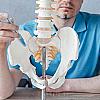
Sacroiliac joint pain: Causes, symptoms, and exercises that help

Where you carry excess weight matters in predicting heart disease risk

Study: At-home colorectal cancer screening may significantly cut colon cancer deaths
Preventive care Archive
Articles

Winter skin woes
Cold weather can not only lead to dry skin, but also cause or worsen other skin conditions such as eczema, psoriasis, rosacea, and seborrheic dermatitis. Frosty temperatures and dry air can break down the skin barrier, which contains substances that help seal in moisture. People can ward off or ease winter skin problems by applying creams and ointments, coating cracked skin areas with petroleum jelly, using a humidifier, taking lukewarm showers no more than once a day, and using moisturizing soaps and liquid body cleansers.

What can I expect during a sleep study?
A sleep study is performed to detect sleep apnea or other sleep disorders. It often takes place in a special lab. The person is hooked up to equipment that records the brain's activity and monitors snoring, blood oxygen levels, and other variables.

Can ice baths improve your health?
Ice baths typically happen in water that's between 50° and 60° F. Studies about their health benefits are inconclusive, but ice baths can be risky. People should never take an ice bath without someone nearby, and stay in for a maximum of 15 minutes.

Beyond the milestone: Health goals for your 50s onward
Setting health goals can help people in their 50s avoid developing a chronic condition that can hamper healthy aging. Goals can include improving balance through various exercises; learning a new skill to improve brain sharpness; seeking age-appropriate cancer screenings, such as for colorectal, cervical, and breast cancers; prioritizing bone health by boosting calcium and vitamin D intake and weight-bearing exercise; maintaining muscle strength through strength and resistance training; and paying closer attention to diet.

A healthy diet may help keep prostate cancer growth in check
A 2024 study suggests that men who follow active surveillance for their low-grade prostate cancer may reduce the risk of their cancer becoming more aggressive if they maintain a healthier diet, which can help reduce inflammation.


Court ruling curbs unfounded claims for memory supplement
In the US, supplements are not tested in the way prescription medicines are, and their manufacturers can make claims about their abilities that may or may not be true. But there are some rules supplement makers must follow, and the FDA's plan to revamp its regulation of dietary supplements is a step toward improving consumer protection.


Estrogen-only hormone therapy tied to lower dementia risk
Should you have a hysterectomy?
Stair climbing may significantly lower cardiovascular risks
Why do I sweat so much?
Walking pneumonia: The "mild" illness that can still pack a punch
Tai chi walking: What is it and does it work?
What causes knee pain: How doctors make a diagnosis
Sacroiliac joint pain: Causes, symptoms, and exercises that help
Where you carry excess weight matters in predicting heart disease risk
Study: At-home colorectal cancer screening may significantly cut colon cancer deaths
Free Healthbeat Signup
Get the latest in health news delivered to your inbox!
Sign Up
