

Estrogen-only hormone therapy tied to lower dementia risk

Should you have a hysterectomy?

Stair climbing may significantly lower cardiovascular risks

Why do I sweat so much?

Walking pneumonia: The "mild" illness that can still pack a punch

Tai chi walking: What is it and does it work?

What causes knee pain: How doctors make a diagnosis
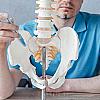
Sacroiliac joint pain: Causes, symptoms, and exercises that help

Where you carry excess weight matters in predicting heart disease risk

Study: At-home colorectal cancer screening may significantly cut colon cancer deaths
Preventive care Archive
Articles

Outsmarting perimenopause
Women receive less information about perimenopause compared with the earlier milestones of puberty and pregnancy. Some women deal with an array of symptoms they don't connect to perimenopause and aren't aware that lifestyle changes can offset them. The menopause transition often involves weight gain from both shifting hormones and aging. Regular exercise and strength training can mitigate weight gain. Healthy eating habits and sounder sleep can also offset perimenopausal symptoms.

Can nail polish harm my nails?
Wearing nail polish does not harm nails. However, doing so for long periods can dry out the surface, prompting chalky, white patches to form. Removing nail polish with acetone-based products can also dry out the nails and surrounding skin.

Getting the right diagnosis
Nearly one in five hospitalized adults is harmed or dies each year due to a diagnostic error. Diagnostic errors include a delay in diagnosis, a wrong diagnosis, or unclear communication about a diagnosis. Tricky-to-diagnose conditions include pneumonia, heart attack, stroke, sepsis, blood clots, and lung cancer. Women, minorities, and older adults may be more vulnerable to diagnostic mistakes. People can lower their risks of diagnostic errors by telling the doctor about their medications, taking a trusted companion to appointments, and seeking second opinions in cases of doubt.

Research highlights health benefits from cold-water immersions
While there are limited studies about the health benefits of cold-water immersions, a 2025 analysis found regular ice baths or cold showers may help reduce stress levels, improve sleep, and increase quality of life.

Harvard scientists: Red meat tied to increased dementia risk
In a 2025 Harvard study of more than 133,000 people followed for four decades, those who ate the most red meat each day (a quarter-serving or more) had a 13% higher risk of developing dementia later in life, compared with people who ate the least.

Avoiding injury when you're on grandkid duty
Spending time alone with energetic young grandchildren can be physically challenging. It puts grandparents at risk for falls and injuries. It will benefit grandparents to improve their balance and do some muscle strengthening so they can lift or carry squirmy children and also get up and down from a chair or the floor while playing with kids. If children run off while in a grandparent's care, the grandparent should be wary of obstacles in the path to catch up to them, such as footstools or toys indoors and uneven terrain outdoors.

Do genes or lifestyle determine your health?
A 2025 study addressed the role of genes versus lifestyle habits and life circumstances in influencing a person's health. Researchers found that genes seemed to have a stronger influence than lifestyle and life circumstances for some diseases, including dementia, macular degeneration, and certain cancers. For other diseases, such as atherosclerosis involving arteries of the heart and brain, rheumatoid arthritis, and diseases of the lung, heart, and liver, lifestyle and life circumstances had a stronger influence than genes.

Can an orange a day keep depression away?
A 2024 study of more than 32,000 depression-free women who were followed for 14 years found that those who ate the most weekly servings of citrus (six or more) had a 22% lower risk for developing depression, compared with those who ate the least citrus.

Eat cheese, if you please
A daily serving of cheese is linked to a lower risk of heart disease, stroke, and death from cardiovascular disease. But it's best to pair cheese with foods like whole-grain crackers or salad instead of combining it with refined carbohydrates and meat, such as cheese on burgers or pizza. Health-promoting fermentation products may counteract the saturated fat and sodium found in cheese.

Are salt substitutes a smart choice?
Substituting potassium-containing salt substitutes for regular salt can help lower blood pressure as well as the risk of stroke. But people should also check the sodium content in foods and eat more potassium-rich produce.
Estrogen-only hormone therapy tied to lower dementia risk
Should you have a hysterectomy?
Stair climbing may significantly lower cardiovascular risks
Why do I sweat so much?
Walking pneumonia: The "mild" illness that can still pack a punch
Tai chi walking: What is it and does it work?
What causes knee pain: How doctors make a diagnosis
Sacroiliac joint pain: Causes, symptoms, and exercises that help
Where you carry excess weight matters in predicting heart disease risk
Study: At-home colorectal cancer screening may significantly cut colon cancer deaths
Free Healthbeat Signup
Get the latest in health news delivered to your inbox!
Sign Up
