

Naturally gluten-free foods

Harvard study: Healthier fats linked to longer life after prostate cancer diagnosis

Shingrix shingles vaccine linked with lower heart disease risks

Estrogen-only hormone therapy tied to lower dementia risk
Should you have a hysterectomy?

Stair climbing may significantly lower cardiovascular risks

Why do I sweat so much?

Walking pneumonia: The "mild" illness that can still pack a punch

What causes knee pain: How doctors make a diagnosis
Where you carry excess weight matters in predicting heart disease risk
Preventive care Archive
Articles

Sorting falsehoods from facts
Inaccurate health information is pervasive. Here's how to find out if what you're reading is true.
From conspiracy theories about COVID-19 to unsubstantiated or even dangerous product claims, false health information is everywhere these days. This includes both misinformation (incorrect statements spread by someone who essentially doesn't know better) and disinformation (false information being spread deliberately by a bad actor to promote an agenda).
"Health misinformation and disinformation have always been with us. It's nothing new," says Kasisomayajula Viswanath, Lee Kum Kee professor of health communication at the Harvard T.H. Chan School of Public Health. "We had snake-oil salesmen when advertising began. But what's different this time around is the scale." Both mass media and social media are allowing bad information to reach large swaths of people quickly, making it difficult for many people to differentiate the good from the bad.
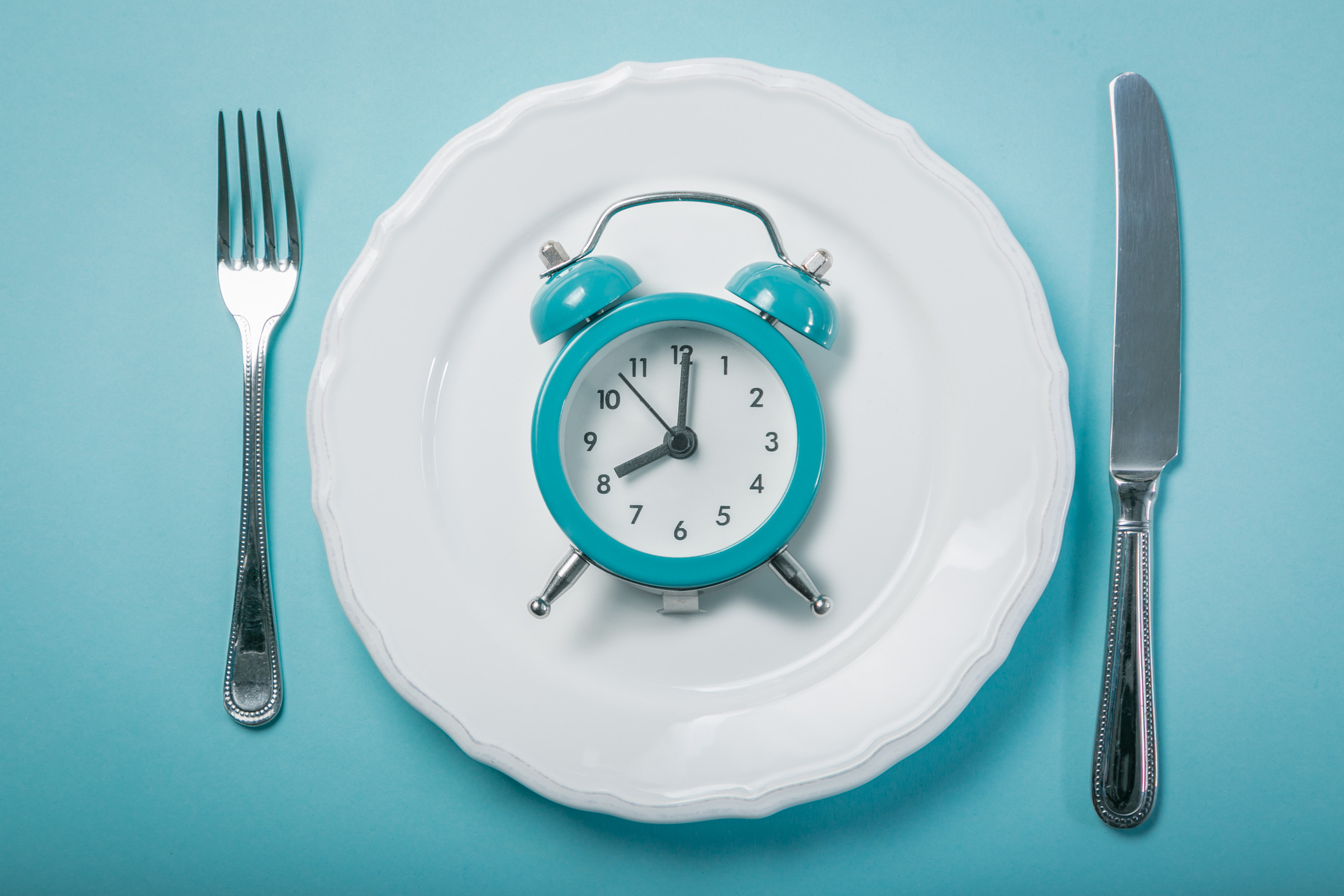

The link between abdominal fat and death: What is the shape of health?
Body mass index is commonly used to assess a person’s weight status and health risk, but it does not indicate how much fat a person has or how it is distributed throughout the body — indicators of metabolic health. A recent study analyzed different measures of body shape to determine which are most predictive of premature death.

Why won't some health care workers get vaccinated?

Why stress causes people to overeat
Stress eating can ruin your weight loss goals – the key is to find ways to relieve stress without overeating
There is much truth behind the phrase "stress eating." Stress, the hormones it unleashes, and the effects of high-fat, sugary "comfort foods" push people toward overeating. Researchers have linked weight gain to stress, and according to an American Psychological Association survey, about one-fourth of Americans rate their stress level as 8 or more on a 10-point scale.
In the short term, stress can shut down appetite. The nervous system sends messages to the adrenal glands atop the kidneys to pump out the hormone epinephrine (also known as adrenaline). Epinephrine helps trigger the body's fight-or-flight response, a revved-up physiological state that temporarily puts eating on hold.

Low fat, low carb, or Mediterranean: which diet is right for you?
Losing weight sometimes takes experimentation. If you give a diet your best shot and it doesn't work long term, maybe it wasn't the right one for you, your metabolism, or your situation. Genes, family, your environment — even your friends — influence how, why, what, and how much you eat, so don't get too discouraged or beat yourself up because a diet that "worked for everybody" didn't pay off for you. Try another, keeping in mind that almost any diet will help you shed pounds — at least for a short time.
Here's a look at three common diet approaches.

Want to live longer and better? Do strength training
Regular physical activity promotes general good health, reduces the risk of developing many diseases, and helps you live a longer and healthier life. For many of us, "exercise" means walking, jogging, treadmill work, or other activities that get the heart pumping.
But often overlooked is the value of strength-building exercises. Once you reach your 50s and beyond, strength (or resistance) training is critical to preserving the ability to perform the most ordinary activities of daily living — and to maintaining an active and independent lifestyle.

Easy ways you can improve indoor air quality
Reduce indoor allergens that can trigger respiratory problems and other issues.
Image: © Voyagerix/Getty Images
It may feel cozy being sealed in tight against the cold in your home during the chillier months of the year, but for people who are sensitive to indoor allergens or have respiratory problems, winter can exacerbate problems. Stale indoor air and heating systems can increase the amount of allergy-inducing dust mites, pet dander, and mold spores circulating through your house. In late winter and early spring, it may still be too chilly to throw open the windows to pull out the musty air, so while you await the warmer weather it's important to be aware of some of the allergy and respiratory triggers that may be lurking in your surroundings.
"Most of the things that cause problems are odorless," says Dr. Nicholas BuSaba, associate professor of otolaryngology at Harvard Medical School. "So, in many cases there's nothing to alert you to the problem." That is, there's nothing other than the symptoms these allergens can trigger — such as respiratory problems (including asthma flare-ups), fatigue and sleepiness, or even digestive issues.
Wearable weights: How they can help or hurt
They're great as a substitute for a dumbbell, but a risky choice for some exercises.
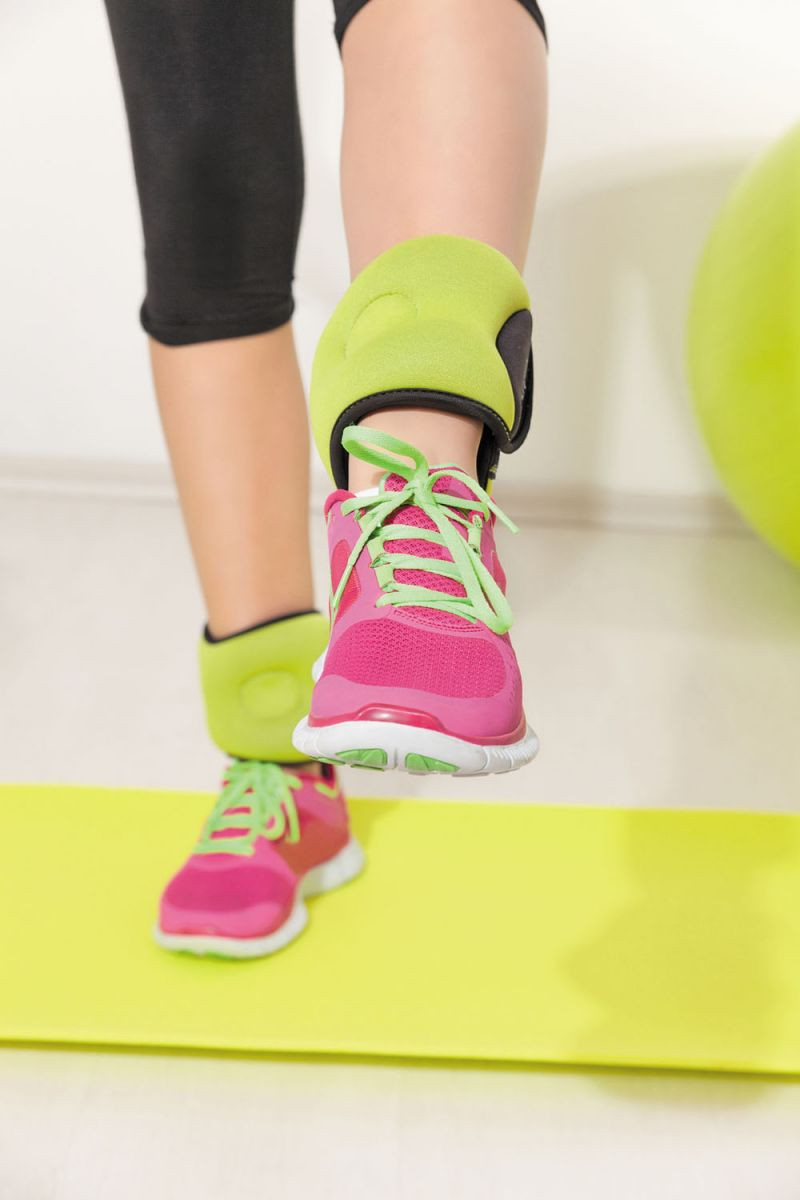
When you want to add strength training to your routine, wearable weights seem like a handy shortcut. Just slip them on and do your regular workout. But it's not that simple. "They're great for specific exercises, but they have some risks," says Terry Downey, a physical therapist at Harvard-affiliated Spaulding Rehabilitation Network.
Ankle weights
You may see people walking around with weights around their ankles. The weights are typically built into a wide neoprene strap that wraps around the ankle and attaches with Velcro.
Naturally gluten-free foods
Harvard study: Healthier fats linked to longer life after prostate cancer diagnosis
Shingrix shingles vaccine linked with lower heart disease risks
Estrogen-only hormone therapy tied to lower dementia risk
Should you have a hysterectomy?
Stair climbing may significantly lower cardiovascular risks
Why do I sweat so much?
Walking pneumonia: The "mild" illness that can still pack a punch
What causes knee pain: How doctors make a diagnosis
Where you carry excess weight matters in predicting heart disease risk
Free Healthbeat Signup
Get the latest in health news delivered to your inbox!
Sign Up
