

Naturally gluten-free foods

Harvard study: Healthier fats linked to longer life after prostate cancer diagnosis

Shingrix shingles vaccine linked with lower heart disease risks

Estrogen-only hormone therapy tied to lower dementia risk

Should you have a hysterectomy?

Stair climbing may significantly lower cardiovascular risks

Why do I sweat so much?

Walking pneumonia: The "mild" illness that can still pack a punch

What causes knee pain: How doctors make a diagnosis

Where you carry excess weight matters in predicting heart disease risk
Preventive care Archive
Articles

Is poison ivy contagious?
Ask the doctors
Q. I'm very allergic to poison ivy. My spouse currently has a bad poison ivy rash that he got while trimming some bushes in our yard. I'm afraid I'm going to get a rash from him. Is it contagious?
A. Good news: poison ivy rashes are not contagious. You will get a rash from poison ivy only if you come into contact with urushiol oil, which is the plant oil in poison ivy that triggers the rash. In addition, a poison ivy rash, even one with open blisters, won't spread to other areas of the body. The rash only occurs on parts of the body that were actually exposed to the plant oil. Poison ivy rashes can appear to spread if urushiol oil is trapped under your fingernails and you scratch an itch. While you can't get a rash from coming from your spouse, you can get it from clothing or other items that have the plant oil on them. For example, the clothes your spouse was wearing that came into contact with the poison ivy plant. Poison ivy oil can cling to garden tools or even pet fur. The oil from poison ivy is known to linger. According to the FDA, it can stick around on surfaces, sometimes for years, until it is washed away using water or rubbing alcohol. So be certain that all surfaces that are potentially contaminated are cleaned thoroughly to reduce your risk.

Precious metals and other important minerals for health
Make sure your diet meets the recommended mineral targets.
Image: © fstop123/Getty Images
Gold, silver, and platinum get all the attention as the world's most precious metals. But they're more precious for the global economy than for human health. Instead, other metals and minerals (metals are one type of mineral) are more important for our health (see "What essential metals do for us"). Indeed, some of them are so important that we can't live without them. "Each one plays a role in hundreds of body functions. It may take just a very small quantity of a particular mineral, but having too much or too little can upset a delicate balance in the body," says Dr. Bruce Bistrian, chief of clinical nutrition at Beth Israel Deaconess Medical Center.
What essential metals do for usMany metals are used to make strong and durable everyday objects, like copper pipes or iron skillets. But they don't form such strong and durable objects in our bodies. Instead, many essential metals are needed to activate enzymes — molecules with important jobs in the body. And metals have many other essential roles as well. For example:
|

The pros and cons of root vegetables
They're packed with nutrients but high in starchy carbohydrates.
Image: © rudisill/Getty Images
Root vegetables — like turnips, rutabagas, and parsnips — may not be the sexiest foods on the table. But they're big celebrities in a number of cuisine trends like the "vegetable forward" movement (which elevates vegetables into creative entrees and side dishes) and root-to-stem cooking (which uses every part of a vegetable, including the tops, stems, and skins).
While it's fun to use old standbys in more interesting ways (like roasted parsnips with pistachio and lemon), it's important to eat root vegetables judiciously. "They are so high in carbohydrates that they are more like grains than greens. It makes more sense to put them in the same category as breads, rice, or pasta," says dietitian Teresa Fung, adjunct professor in the nutrition department at the Harvard T.H. Chan School of Public Health.
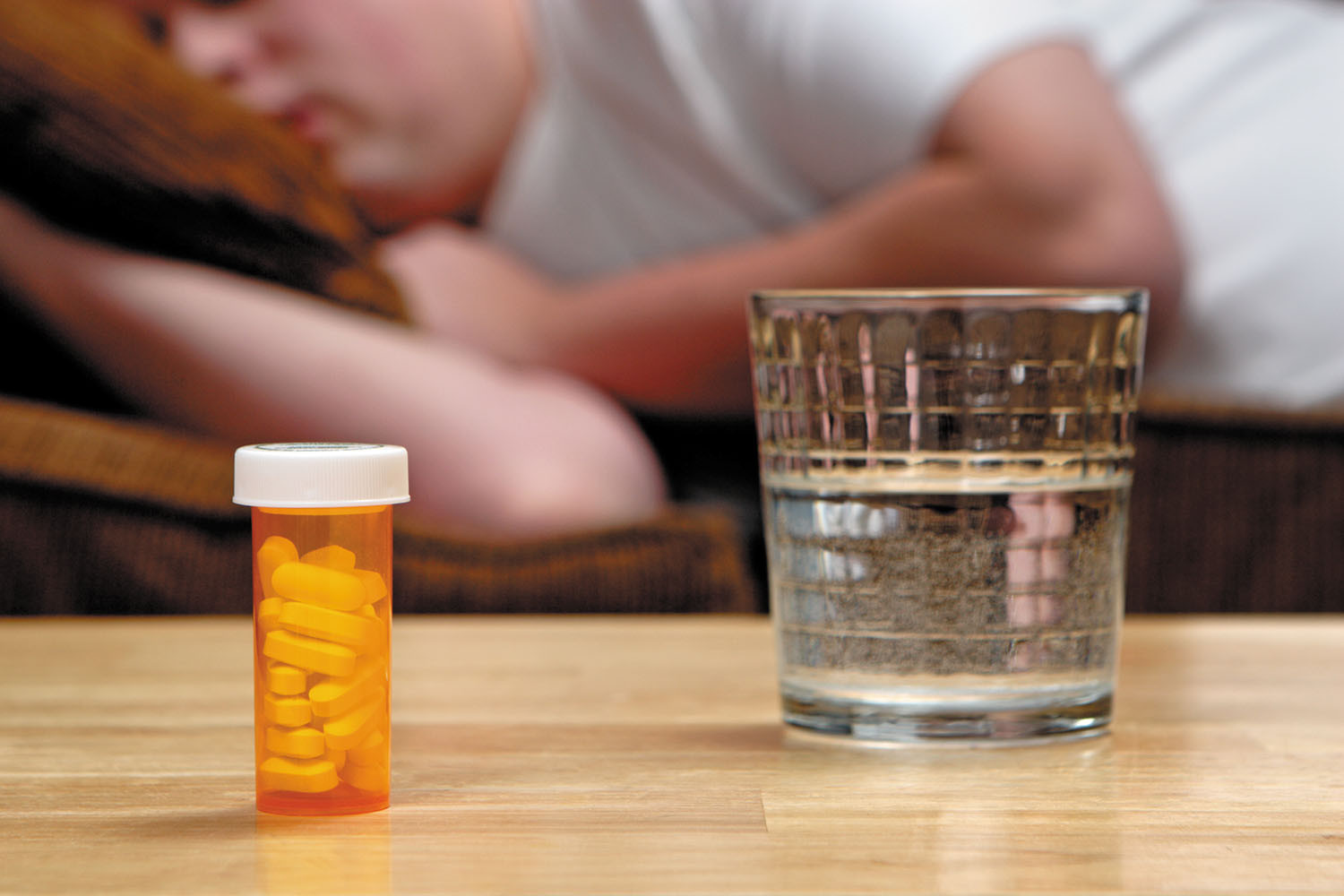
Are drugstore sleep aids safe?
Observe these caveats if you use over-the-counter drugs or dietary supplements to help you sleep.
Image: © Spauln/Getty Images
It's 2 a.m. and you can't sleep. Is it okay to take a nonprescription remedy? "They're not meant for the long term, but it may be okay for an occasional night of problems with sleep," says sleep expert Dr. Lawrence Epstein, an instructor in medicine at Harvard Medical School.
But which option should you reach for? Drugstore shelves are lined with a dizzying array of products promising a good night's sleep. They fall into two categories: nonprescription medications and dietary supplements.

How to sleep through the night
Your sleeping cycle changes as you age, but there are ways to ensure you get a good night's rest.
Image: © Motortion/Getty Images
Most men experience bouts of sleeplessness as they age. They have trouble going to sleep, wake up in the night, and then have trouble falling back to sleep.
Most of this has to do with normal aging, but don't think you need less sleep because you are older. "Research has shown that your sleep needs stay constant throughout adulthood," says Dr. Lawrence Epstein, associate physician with the Division of Sleep and Circadian Disorders at Harvard-affiliated Brigham and Women's Hospital. "Instead, it's your sleep patterns that change, and that is what can interfere with sleep quality."

Do gut bacteria inhibit weight loss?
Ask the doctor
Q. I just can't lose weight. A friend says that my problem might be due to the types of bacteria that live in my gut. That sounds crazy to me, but is it true, and can I do something about it?
A. Ten years ago, I also would have thought your friend was crazy. Today, I'd say she could well be right. Here's why. We've known for a century that bacteria live in our intestines, but we've assumed that they did little to affect our health. We thought that they were just mooching off of us — taking advantage of the warmth and nutrients in our gut.

Do generic drugs compromise on quality?
A new study raises questions about whether they're truly equivalent to the brand-name versions.
You've no doubt seen them in the grocery store — typically drab-looking packages on the bottom shelf containing lower-priced generic versions of popular brand-name products. Some shoppers look at them with skepticism: Are they really as good? Or does cheaper just mean lower quality?
Many people have the same questions about generic prescription medications, says Dr. Niteesh K. Choudhry, professor of medicine at Harvard Medical School and executive director of the Center for Healthcare Delivery Sciences at Brigham and Women's Hospital. Are generic drugs really the same quality, or is it better to spend more for the name-brand version?

When to expect results from a new medication
Each one can have a different timetable. Find out in advance what you should expect, and then track your symptoms.
Image: © Digital Vision/Getty Images
When your doctor prescribes a new medication, you may expect to start feeling the effects right away. But some drugs can take time to make a difference. "It depends on how quickly your body absorbs the medication, how your body distributes it, and how your body breaks down or metabolizes it," says Laura Carr, a pharmacist at Harvard-affiliated Massachusetts General Hospital.
Giving it time
Some medications start working on the first day. These include drugs that treat high blood pressure, like the beta blocker metoprolol (Toprol, Lopressor), which slows down the heart and reduces the force of its contractions; or H2 blockers such as famotidine (Pepcid) and ranitidine (Zantac), which treat heartburn by blocking the stomach's acid-secreting cells from making acid.
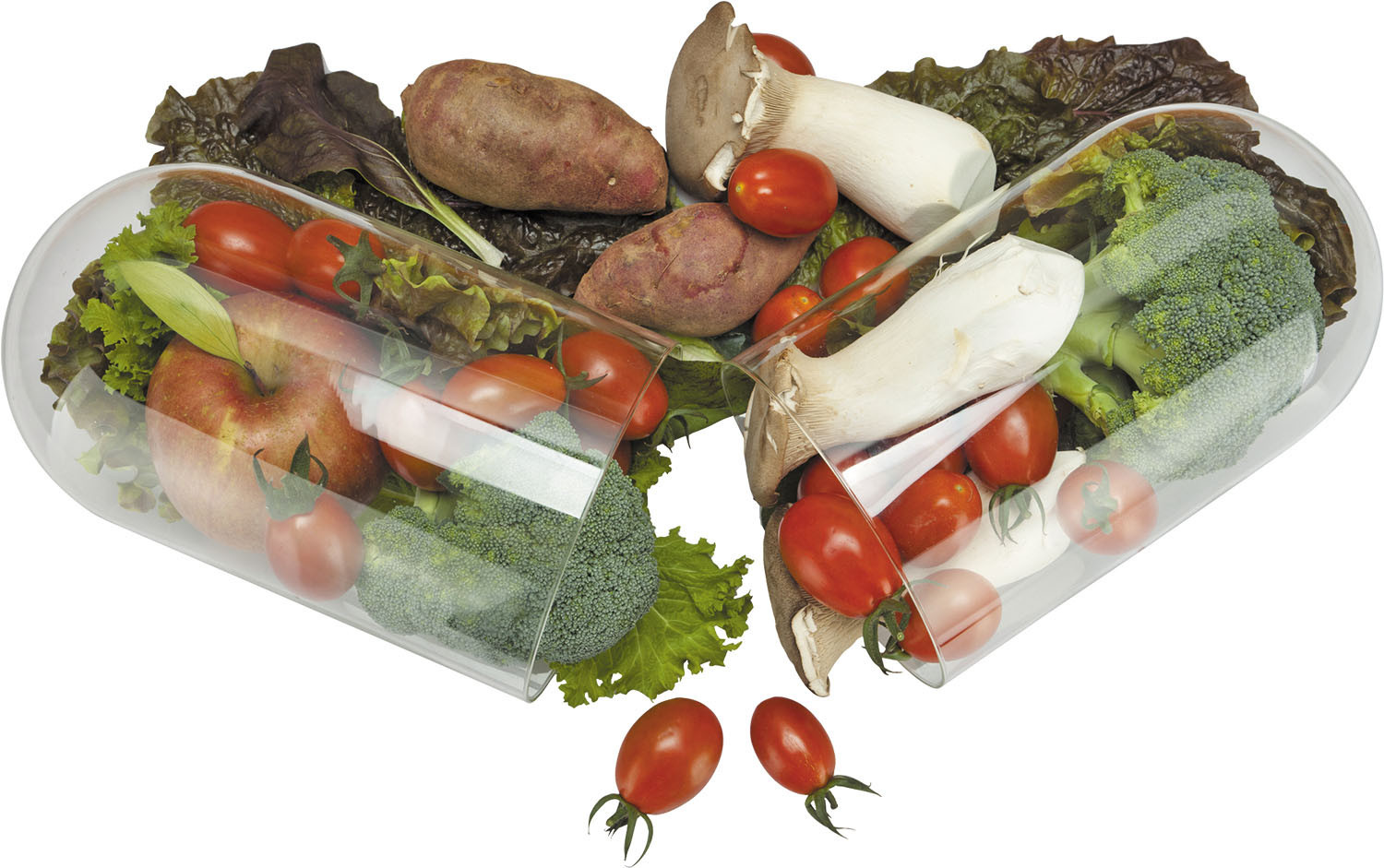
Do you need a daily supplement?
Most older adults take some kind of over-the-counter dietary supplement. But are these products right for everyone?
Image: © phototake/Getty Images
Over-the-counter dietary supplements are big business — more than 90,000 products generate about $30 billion every year in the United States. Older adults make up a big part of these sales, too. A survey of almost 3,500 adults ages 60 and older published Oct. 1, 2017, in The Journal of Nutrition found that 70% use a daily supplement (either a multivitamin or individual vitamin or mineral), 54% take one or two supplements, and 29% take four or more.
But are these pills good medicine, or a waste of money?

Take that, muscle cramps!
Here are the best ways to stop painful cramps — and prevent them from returning.
Image: © ChesiireCat/Getty Images
A muscle cramp always feels like a surprise. The involuntary contraction strikes without warning, whether it's a charley horse in the middle of night or a back spasm as you reach for an everyday object. But don't let that cramp throw you for a loop. "When it suddenly strikes, don't exercise or tighten the muscle. Just gently stretch it to your tolerance. That helps to relax the muscle and relieve the uncontrolled contraction," says Madhuri Kale, a physical therapist at Harvard-affiliated Brigham and Women's Hospital.
What causes cramps?
Exercising without properly warming up the muscles can lead to cramps. Cramps also occur when a muscle is not able to relax properly (such as from a deficiency of magnesium or potassium in your diet) or when it becomes irritated by a buildup of lactic acid (which can happen if you don't rest your muscle after it has exercised a lot). Dehydration can worsen both of these problems. Kale says older adults often don't drink enough water at night because they want to avoid having to go the bathroom, and they end up dehydrated.
Naturally gluten-free foods
Harvard study: Healthier fats linked to longer life after prostate cancer diagnosis
Shingrix shingles vaccine linked with lower heart disease risks
Estrogen-only hormone therapy tied to lower dementia risk
Should you have a hysterectomy?
Stair climbing may significantly lower cardiovascular risks
Why do I sweat so much?
Walking pneumonia: The "mild" illness that can still pack a punch
What causes knee pain: How doctors make a diagnosis
Where you carry excess weight matters in predicting heart disease risk
Free Healthbeat Signup
Get the latest in health news delivered to your inbox!
Sign Up
