

Fatty liver disease: Should you be tested?

Even a little exercise linked with lower stroke risk in people with afib

Testosterone therapy without evidence of deficiency may boost heart risk

Weight-loss drug may lower risk of heart attacks and infections

Migraine: How it's diagnosed and what that means

Tricep workouts you can do at home

Mindfulness practices to reduce stress and improve focus

Antihistamines may not offer meaningful relief from eczema symptoms

Overweight and taking blood pressure medications: Study finds it's a trend that's working

FDA approves first mRNA-based flu vaccine
Pediatric health Archive
Articles

Sleep to solve a problem

Sickle cell disease: Ways to help teens and parents

More movement, better memory

Can mindfulness change your brain?
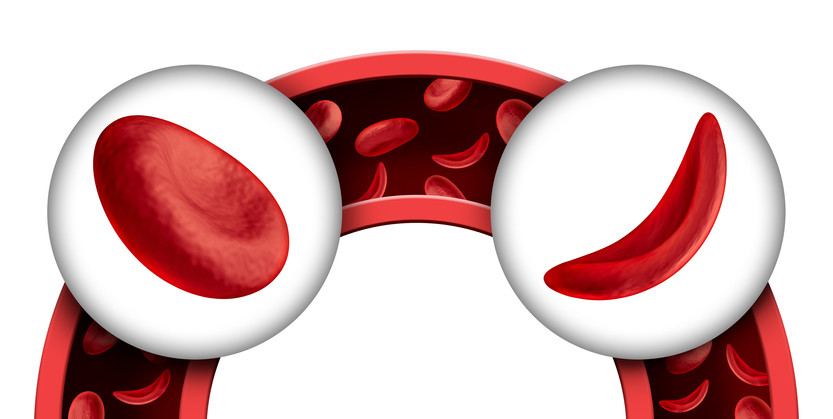
Sickle cell disease in newborns and children: What families should know and do
Millions of people around the world have sickle cell disease, a genetic condition that can cause pain and damage to organs or tissues, and can make children more susceptible to other health problems. In the US, most cases are diagnosed through screening in newborns. Getting connected to the proper care early in a child's life can help prevent complications from the disease.

COVID-19 vaccines for children and teens: What we do — and don't — know
Every day, more and more adults are getting vaccinated against COVID-19, helping us build toward herd immunity. But what about children and teens? What is the status of research on the vaccines in these groups, and when might vaccines be available for them?

Sleep well — and reduce your risk of dementia and death
Although it has been known for some time that individuals with dementia frequently have poor, fragmented sleep, two new studies suggest that if you don't get enough sleep in midlife, you are at increased risk for dementia later in life.

COVID-19 vaccines and the LGBTQ+ community
A history of discrimination in multiple settings, including health care, may make some people who identify as LGBTQ+ hesitant to get a COVID-19 vaccine, even though the virus has disproportionately harmed this community. If you're struggling to make a decision, this may help you consider benefits and risks.

A rocky childhood could be bad for your heart
Childhood trauma may raise the risk of cardiovascular disease, but making lifestyle changes can help you stay healthy.
Traumatic childhood experiences may have a lasting effect on your heart health.
A review published online Dec. 2, 2020, by JAMA Cardiology found that adults who had multiple adverse childhood experiences (ACEs) — like being neglected; suffering physical, sexual, or emotional abuse; or witnessing violence at home — had double the risk of cardiovascular disease and an early death compared with people who didn't face any ACEs at all.

Should I get a COVID-19 vaccine if I've had dermal fillers?
In rare cases, people who have had cosmetic dermal fillers experience swelling after receiving the COVID-19 vaccine, but this shouldn't stop people with fillers from being vaccinated.
Fatty liver disease: Should you be tested?
Even a little exercise linked with lower stroke risk in people with afib
Testosterone therapy without evidence of deficiency may boost heart risk
Weight-loss drug may lower risk of heart attacks and infections
Migraine: How it's diagnosed and what that means
Tricep workouts you can do at home
Mindfulness practices to reduce stress and improve focus
Antihistamines may not offer meaningful relief from eczema symptoms
Overweight and taking blood pressure medications: Study finds it's a trend that's working
FDA approves first mRNA-based flu vaccine
Free Healthbeat Signup
Get the latest in health news delivered to your inbox!
Sign Up
