

Fatty liver disease: Should you be tested?

Even a little exercise linked with lower stroke risk in people with afib

Testosterone therapy without evidence of deficiency may boost heart risk

Weight-loss drug may lower risk of heart attacks and infections

Migraine: How it's diagnosed and what that means

Tricep workouts you can do at home

Mindfulness practices to reduce stress and improve focus

Antihistamines may not offer meaningful relief from eczema symptoms

Overweight and taking blood pressure medications: Study finds it's a trend that's working

FDA approves first mRNA-based flu vaccine
Pediatric health Archive
Articles

Focusing on past successes can help you make better decisions
In the journals
People with anxiety or depression often have trouble making sound decisions. But a study suggests their judgment can improve if they focus on past successes instead of mistakes. The findings were published online Dec. 22, 2020, by the journal eLife.
Researchers recruited 86 adults, divided into three groups. In one group were people diagnosed with generalized anxiety disorder or major depression. Another group consisted of people who showed anxiety or depression symptoms, like excessive worrying and not feeling good about the future, but were not clinically diagnosed. The final group included those without anxiety or depression.

Is it dementia or something else?
Many cases of memory loss aren't related to dementia, but stem from other, treatable conditions.
You've been forgetting things lately — your keys, or maybe names. Sometimes you struggle to find the right word in conversations or repeat yourself to others. You may worry: are these signs of dementia?
If this sounds like you, you're not alone. Many people find their way into Dr. Tammy Hshieh's office wondering the same thing. But most of the time, it's not dementia causing their problems, says Dr. Hshieh, a geriatrician at Harvard-affiliated Brigham and Women's Hospital and Dana-Farber Cancer Institute and assistant professor of medicine at Harvard Medical School.

Can the flu shot hurt my immune response?
Ask the doctors
Image: © scyther5/Thinkstock
Q. I've read that getting the flu shot annually will weaken my immune system over time. Is this true?
A. A study published in the March 1, 2017, issue of The Journal of Infectious Diseases investigated whether getting an annual vaccination against influenza (flu) can weaken your body's natural ability to protect itself from the disease. Past studies have raised similar concerns. Researchers at the University of Bergen in Norway followed 250 health care workers. Some of them got a flu vaccination every year from 2009 through 2013. The others only received the vaccine once in 2009 and not in the years from 2010 to 2013. The researchers then took blood samples before the influenza season (and before people were vaccinated that season), from the members of both groups and looked at different markers to gauge how well their immune systems would respond to the influenza virus. They found that getting an annual flu vaccination did not weaken the immune system. As a group, the people who got the flu shot annually appeared to have a better immune response to influenza than those vaccinated only once.

Sour mood getting you down? Get back to nature
Research suggests that mood disorders can be lifted by spending more time outdoors.
Image: © Sidekick/Getty Images
Looking for a simple way to help reduce stress, anxiety, and depression, and maybe even improve your memory? Take a walk in the woods.
"Many men are at higher risk for mood disorders as they age, from dealing with sudden life changes like health issues, the loss of loved ones, and even the new world of retirement," says Dr. Jason Strauss, director of geriatric psychiatry at Harvard-affiliated Cambridge Health Alliance. "They may not want to turn to medication or therapy for help, and for many, interacting with nature is one of the best self-improvement tools they can use."

School reopening? What parents need to know and can do

New school guidelines around COVID-19: What parents need to know
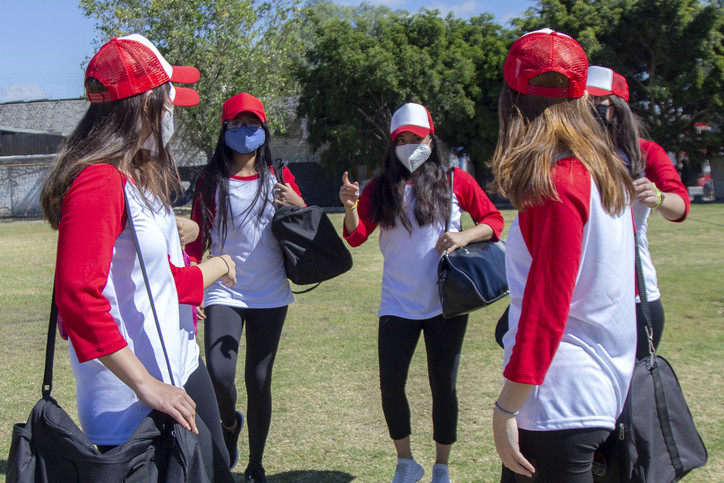
Returning to sports and physical activity after COVID-19: What parents need to know
Most children and teens who have COVID-19 recover completely, but rarely there can be damage to a child’s heart muscle, and the stress of exercise on a damaged heart could lead to a serious condition. Here’s what parents need to know about recent guidance from the American Academy of Pediatrics for children returning to physical activity after COVID-19.

Numb from the news? Understanding why and what to do may help
The daily onslaught of news during the past year has left many people in a steady state of fatigue, resignation, and grief. The symptoms of collective trauma are widespread and familiar, but one merits special attention: numbness, which is one possible response to an overwhelming situation.

Heavy metals in baby food? What parents should know and do
Worrisome levels of arsenic, lead, and other elements called heavy metals that can harm the developing brain are found in some commercial baby foods, according to a recent report. Here’s what parents should know and can do to protect young children.
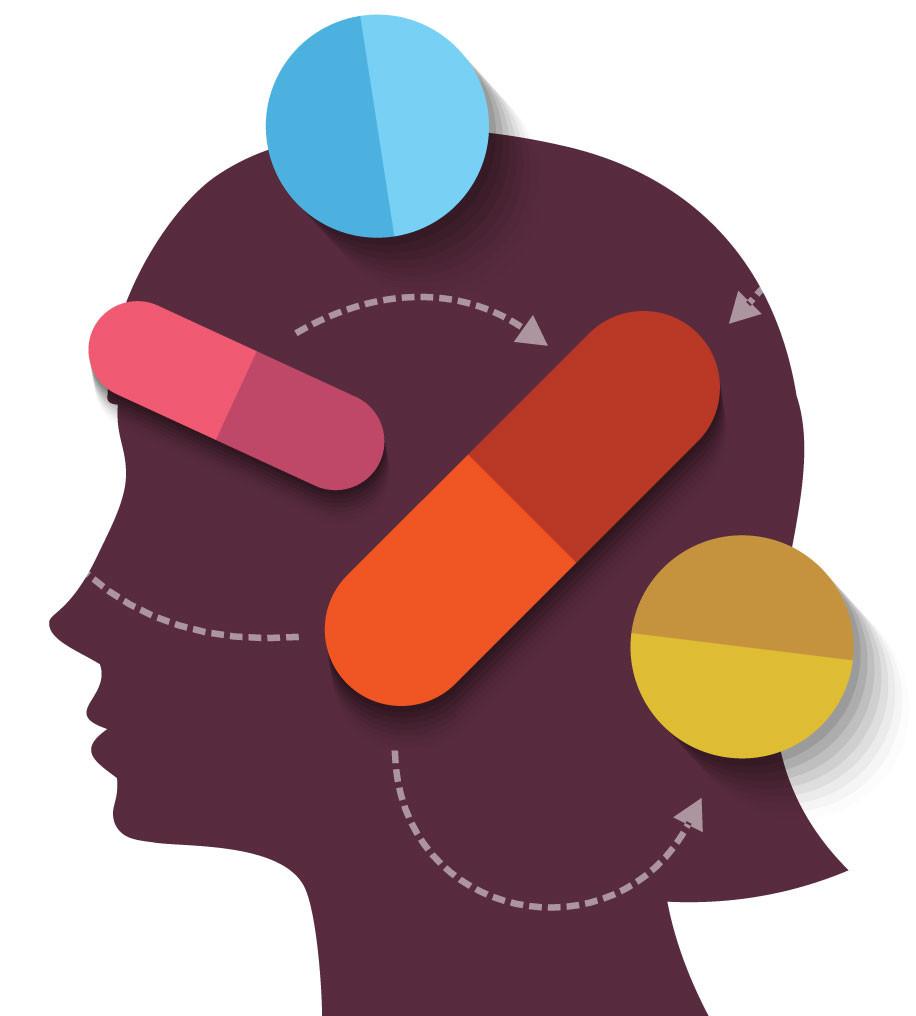
Two types of drugs you may want to avoid for the sake of your brain
Benzodiazepines and drugs with strong anticholinergic effects have been linked to Alzheimer's disease in people who take them. There are alternatives to both types.
Fatty liver disease: Should you be tested?
Even a little exercise linked with lower stroke risk in people with afib
Testosterone therapy without evidence of deficiency may boost heart risk
Weight-loss drug may lower risk of heart attacks and infections
Migraine: How it's diagnosed and what that means
Tricep workouts you can do at home
Mindfulness practices to reduce stress and improve focus
Antihistamines may not offer meaningful relief from eczema symptoms
Overweight and taking blood pressure medications: Study finds it's a trend that's working
FDA approves first mRNA-based flu vaccine
Free Healthbeat Signup
Get the latest in health news delivered to your inbox!
Sign Up
