

Fatty liver disease: Should you be tested?

Even a little exercise linked with lower stroke risk in people with afib

Testosterone therapy without evidence of deficiency may boost heart risk

Weight-loss drug may lower risk of heart attacks and infections

Migraine: How it's diagnosed and what that means

Tricep workouts you can do at home

Mindfulness practices to reduce stress and improve focus

Antihistamines may not offer meaningful relief from eczema symptoms

Overweight and taking blood pressure medications: Study finds it's a trend that's working

FDA approves first mRNA-based flu vaccine
Pediatric health Archive
Articles

Beyond the 2-hour screen rule: 10 tips for parenting in the digital age
You may have heard of the “2-hour rule,” a guideline from the American Academy of Pediatrics (AAP) that states children should get no more than 2 hours of “screen time” a day (and none at all for those under age 2). But given the sheer amount of handheld devices available today, not to mention the increasing need for children to use technology to do homework and talk with their friends, does the rule still apply? Recently, the AAP released 10 tips to help parents navigate the digital age. We’ve explained them all here.


Teaching gratitude this holiday season – and all year long
Whether this time of year brings gift-giving rituals in your household or not, it’s a good reminder to practice the “skill” of gratitude. Even young children can learn to focus on what they have instead of what they lack. Practicing gratitude is more than a social grace. Research suggests it can help your child build resilience and it is associated with greater happiness in life. Dr. Claire McCarthy shares her tips for helping your child cultivate the skill of gratitude.

3 health strategies to help you get through the holidays
Image: Thinkstock
Plan now to help prevent overeating, trips to the hospital, and depression.
The winter holidays are supposed to be a joyous time, filled with celebration. But they come with health risks, such as loneliness and depression, overeating, weight gain, falls in icy weather, foodborne illness, and heart problems. Here are ways to protect yourself while enjoying the season.
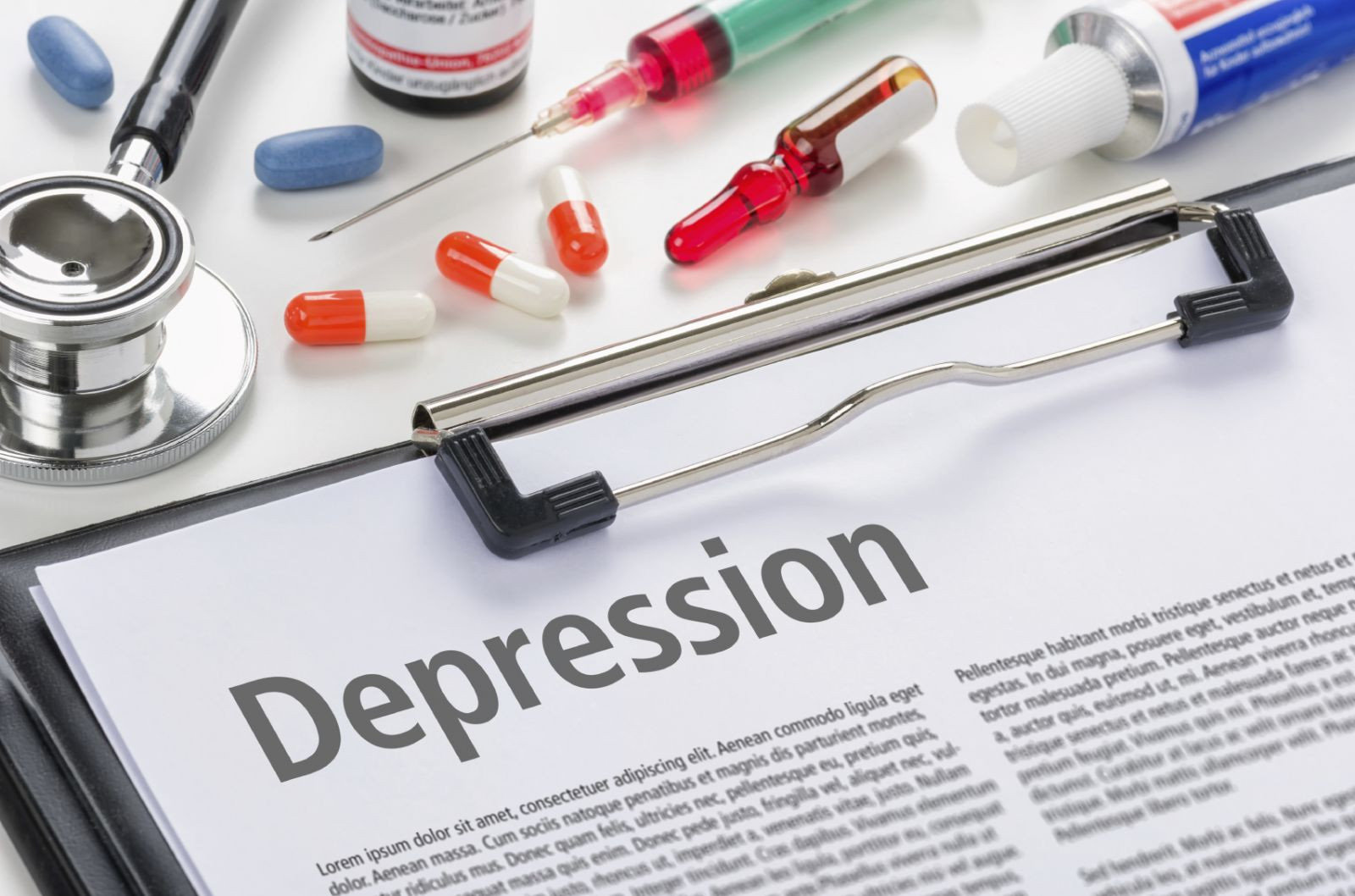
Confirming depression: When extra tests might help
Medical science is making good progress in unraveling the biological underpinnings of depression. Someday, these discoveries may lead to lab tests that can help identify or confirm depression and other mood disorders.
Right now, doctors and therapists rely on the symptoms reported by their patients, along with clinical expertise and experience, to diagnose depression and determine a course of treatment.
Sometimes, though, additional information can help distinguish depression from other problems. That's why your doctor might recommend any of the following tests:

Many babies and toddlers use mobile devices every day
You’ve probably seen parents handing a smartphone or tablet to their young children to entertain them when they need to be quiet or patient. A recent study confirms what you’ve probably suspected: that most children use mobile devices every day. But widespread use of these devices cuts into time that kids could spend interacting with adults, which is crucial for brain development. The next time you’re tempted to hand over the smartphone, try a quick game instead.

Is it ADHD—or Autism?
Symptoms of attention deficit hyperactivity disorder (ADHD) and autism can resemble each other. In fact, it can be difficult to tell the two conditions apart, which can lead to delays in the correct diagnosis — and therefore missed opportunities for treatment. If your child is diagnosed with ADHD, ask your pediatrician about testing for autism as well. The earlier a child with autism receives treatment, the better the outcome he or she will have.

In the journals: Flu-fighting drugs don't prevent spread to others
If you start taking an antiviral medication after catching the flu, will it keep your family members from catching the bug, too? Maybe not, according to a study in The Journal of Infectious Diseases.
The prescription antivirals oseltamivir (Tamiflu) and zanamivir (Relenza) can cut a case of the flu short by suppressing the virus's overpowering urge to copy itself inside you. Less viral "shedding" by the body could, hypothetically, make it less likely that people who live in the same house will also get sick.
In the journals: Seniors get no brain boost from omega-3 supplements
A recent study in The Journal of the American Medical Association found that seniors got no mental boost from taking daily omega-3 fatty acid supplements and antioxidant vitamins for four years. On the other hand, that doesn't mean eating a nutritious diet throughout life doesn't promote healthy aging.
The clinical trial involved more than 3,500 people, average age 73. Researchers were primarily testing the ability of daily nutritional supplements to prevent vision loss from age-related macular degeneration (AMD), which damages the light-sensing retina in the back of the eye. Participants also had tests of their mental function every other year in addition to annual eye exams.

4 vaccinations you may need
Adults need an annual flu shot and a Tdap booster every 10 years. People over 60 need a shingles shot, and those over 65 should have two pneumonia vaccines.
Fatty liver disease: Should you be tested?
Even a little exercise linked with lower stroke risk in people with afib
Testosterone therapy without evidence of deficiency may boost heart risk
Weight-loss drug may lower risk of heart attacks and infections
Migraine: How it's diagnosed and what that means
Tricep workouts you can do at home
Mindfulness practices to reduce stress and improve focus
Antihistamines may not offer meaningful relief from eczema symptoms
Overweight and taking blood pressure medications: Study finds it's a trend that's working
FDA approves first mRNA-based flu vaccine
Free Healthbeat Signup
Get the latest in health news delivered to your inbox!
Sign Up
