
Fatty liver disease: Should you be tested?

Even a little exercise linked with lower stroke risk in people with afib

Testosterone therapy without evidence of deficiency may boost heart risk

Weight-loss drug may lower risk of heart attacks and infections

Migraine: How it's diagnosed and what that means

Tricep workouts you can do at home

Mindfulness practices to reduce stress and improve focus

Antihistamines may not offer meaningful relief from eczema symptoms

Overweight and taking blood pressure medications: Study finds it's a trend that's working

FDA approves first mRNA-based flu vaccine
Pediatric health Archive
Articles

The inconvenient truth of vaccine refusal
The development of vaccines for many once-fatal illnesses has saved the lives of hundreds of thousands of children in the United States. While some parents may have concerns about the side effects of a vaccine, the decision not to vaccinate a child extends the risk of illness to the larger community.

3 reasons the 2016 campaign can be good for kids (parents, it’s up to you!)
It’s natural to want to shield your children from the vitriol of this year’s presidential campaign — but think twice before you turn off the evening news. We’ve listed three ways you can turn this year’s campaign into opportunities to teach your children about the political process and even have conversations that can help them — and you — come away with a broader perspective.

Tips to get the most from your memory
As you've gotten older, have you noticed that you often find yourself marching around the house in a huff, searching for misplaced car keys or eyeglasses, or you just cannot remember the name of that new neighbor you met when walking the dog? It's frustrating, to be sure, but not inevitable — and there are things you can do to help keep your memory sharp.
"Most people get a little more forgetful with aging, but there are some simple things you can do to prevent memory slips and help your brain to learn and remember better," says Dr. Anne Fabiny, chief of geriatrics at Cambridge Health Alliance and an assistant professor of medicine at Harvard Medical School.

The latest on a simple way to help prevent food allergies in kids
Pediatricians used to recommend that parents hold off on giving their children foods that commonly cause allergic reactions — peanuts, eggs, seafood, wheat — for the first few years of the child’s life. We now know that was bad advice. Recent studies have shown that giving these foods very early in life is perfectly safe — and that it actually decreases a child’s risk for some food allergies.
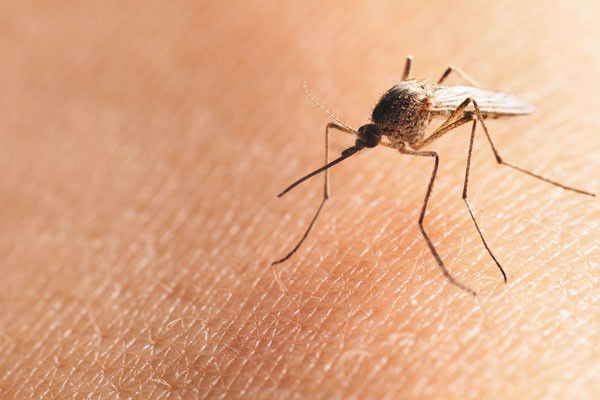
Are we prepared for epidemics?
Mosquitoes can transmit many viruses, such as, Zika, West Nile, dengue, and yellow fever.
Image: Thinkstock
Ask the Doctor
Q. Why is it that we suddenly have epidemics of things like Zika virus that we've never heard about, and that we have no treatments or vaccines for? It feels like we should be better prepared than we apparently are. This worries me more than terrorism.

What's the purpose of the new mental health questionnaire?
Ask the doctors
Q: I went for my usual check-up, and in addition to taking my blood pressure, the medical assistant handed me a form to fill out with nine questions related to my mental health. I've never had this happen before. Is this new?
A: Yes, it is new for most people. The U.S. Preventive Services Task Force (USPSTF) has just released an important depression screening recommendation. The USPSTF recommends regular depression screening for all adults, which is a modification from advice originally given in 2009, in which screening was recommended only for clinics or doctors who had adequate support systems to provide mental health care for those who were identified with depression. Since that time, multiple studies have found that mental health care from primary care clinicians works very well, and probably just as well as specialist care from psychiatrists. That isn't to say we don't need care from psychiatrists, but rather that not everyone needs a psychiatrist, especially those with mild to moderate depression.

10 ways to raise a healthy eater
Eating healthy is a habit — and, like any other habit, it can be taught and learned. Most kids need guidance as they learn how to enjoy healthy foods and eating patterns. We’ve shared 10 of our best tips for how to help your child become a healthy eater.

Zika, pregnancy, and winter travel: Many unknowns, and a cautious message
If you’re planning an escape from the dreary winter weather, and you’re pregnant or trying to get pregnant, you may want to plan your destination carefully. There’s still a lot we don’t know about Zika virus — which is now widespread in several favorite tropical destinations, such as the Caribbean — and its potential pregnancy-related complications. Until we know more, it’s better to be safe and follow the precautions we’ve listed here.

Passing your physical exam
The annual check-up is important for older men. Here is how to make the most out of your visit.
Men have a long reputation for avoiding check-ups, and that resistance tends not to soften when they are older.
"Many older men put off exams because they fear finding out something is wrong," says Dr. Suzanne Salamon, a geriatrician with Harvard-affiliated Beth Israel Deaconess Medical Center. "Also, many of today's baby boomers don't think they will have medical problems associated with age, so it can difficult for the 'younger older men,' like those in their 60s and early 70s, to see their doctor."
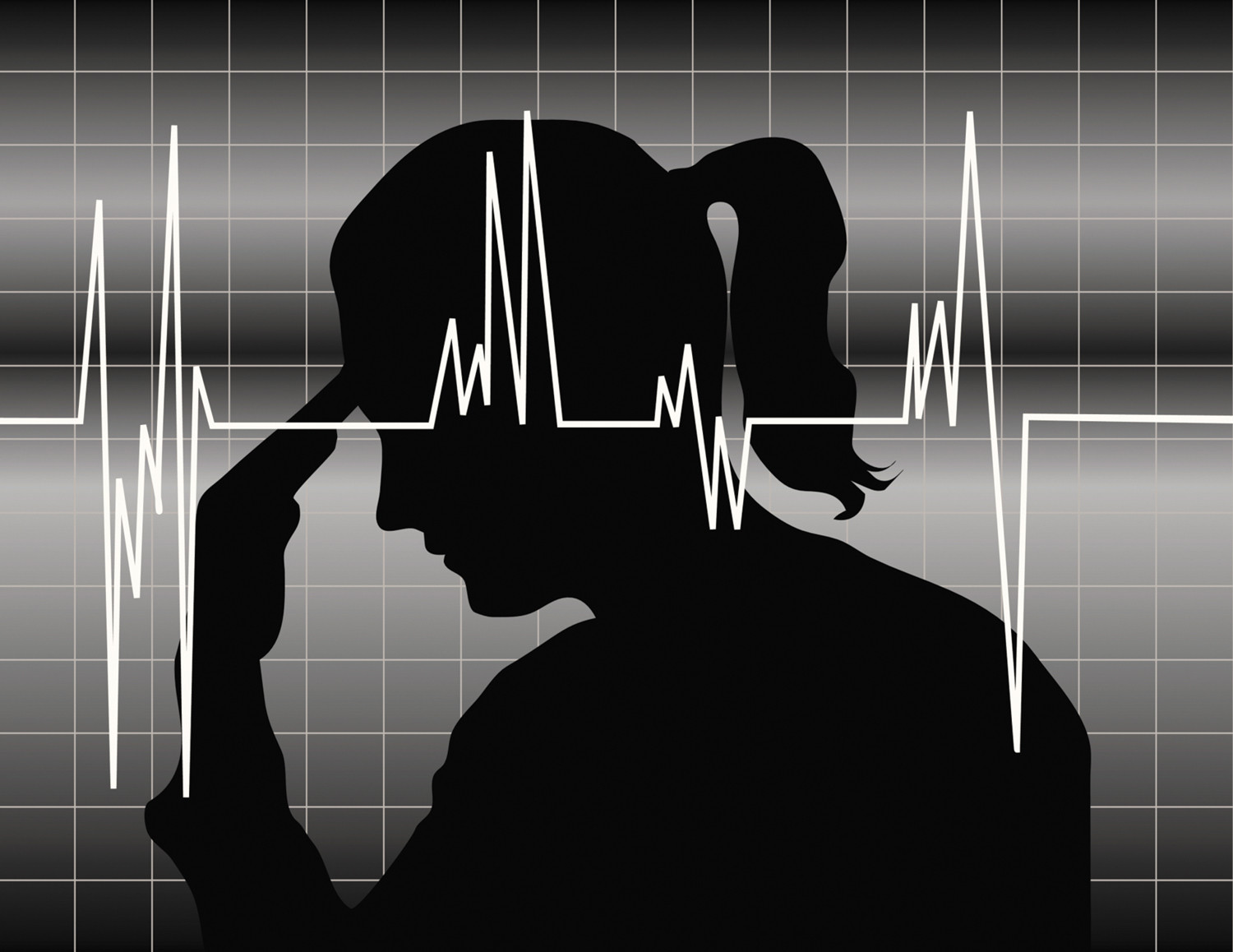
Why conquering stress can help your heart
Learning to deal with stress can lower your risk for anxiety, depression, and cardiovascular disease.
The more we learn about women's hearts, the more we realize that they are different from men's. One of the most dramatic differences is a rare heart condition called takotsubo cardiomyopathy, or broken-heart syndrome, that is nine times more common in women than in men. It has been cited as evidence that sudden emotional stress can actually cause death in some women.
Like a heart attack, takotsubo cardiomyopathy strikes suddenly with symptoms such as chest pain and shortness of breath; however, it does not involve clogged arteries. Takotsubo cardiomyopathy is brought on by a surge of stress hormones that literally bend the heart out of shape. As a result, when the main pumping chamber of the heart (the left ventricle) contracts, it balloons out, so it can't eject blood into the arteries effectively.
Fatty liver disease: Should you be tested?
Even a little exercise linked with lower stroke risk in people with afib
Testosterone therapy without evidence of deficiency may boost heart risk
Weight-loss drug may lower risk of heart attacks and infections
Migraine: How it's diagnosed and what that means
Tricep workouts you can do at home
Mindfulness practices to reduce stress and improve focus
Antihistamines may not offer meaningful relief from eczema symptoms
Overweight and taking blood pressure medications: Study finds it's a trend that's working
FDA approves first mRNA-based flu vaccine
Free Healthbeat Signup
Get the latest in health news delivered to your inbox!
Sign Up
