

Fatty liver disease: Should you be tested?

Even a little exercise linked with lower stroke risk in people with afib

Testosterone therapy without evidence of deficiency may boost heart risk

Weight-loss drug may lower risk of heart attacks and infections

Migraine: How it's diagnosed and what that means

Tricep workouts you can do at home

Mindfulness practices to reduce stress and improve focus

Antihistamines may not offer meaningful relief from eczema symptoms

Overweight and taking blood pressure medications: Study finds it's a trend that's working

FDA approves first mRNA-based flu vaccine
Pediatric health Archive
Articles

Why the American Academy of Pediatrics opposes North Carolina’s transgender “bathroom law”
A new law in North Carolina prevents transgender people — people who feel very strongly that their biological sex does not match their true gender — from using the public restroom of the gender they identify with. But the American Academy of Pediatrics has denounced this law for discriminating against transgender children and children with certain genetic disorders. As they say, what all children need the most is unconditional acceptance and support.
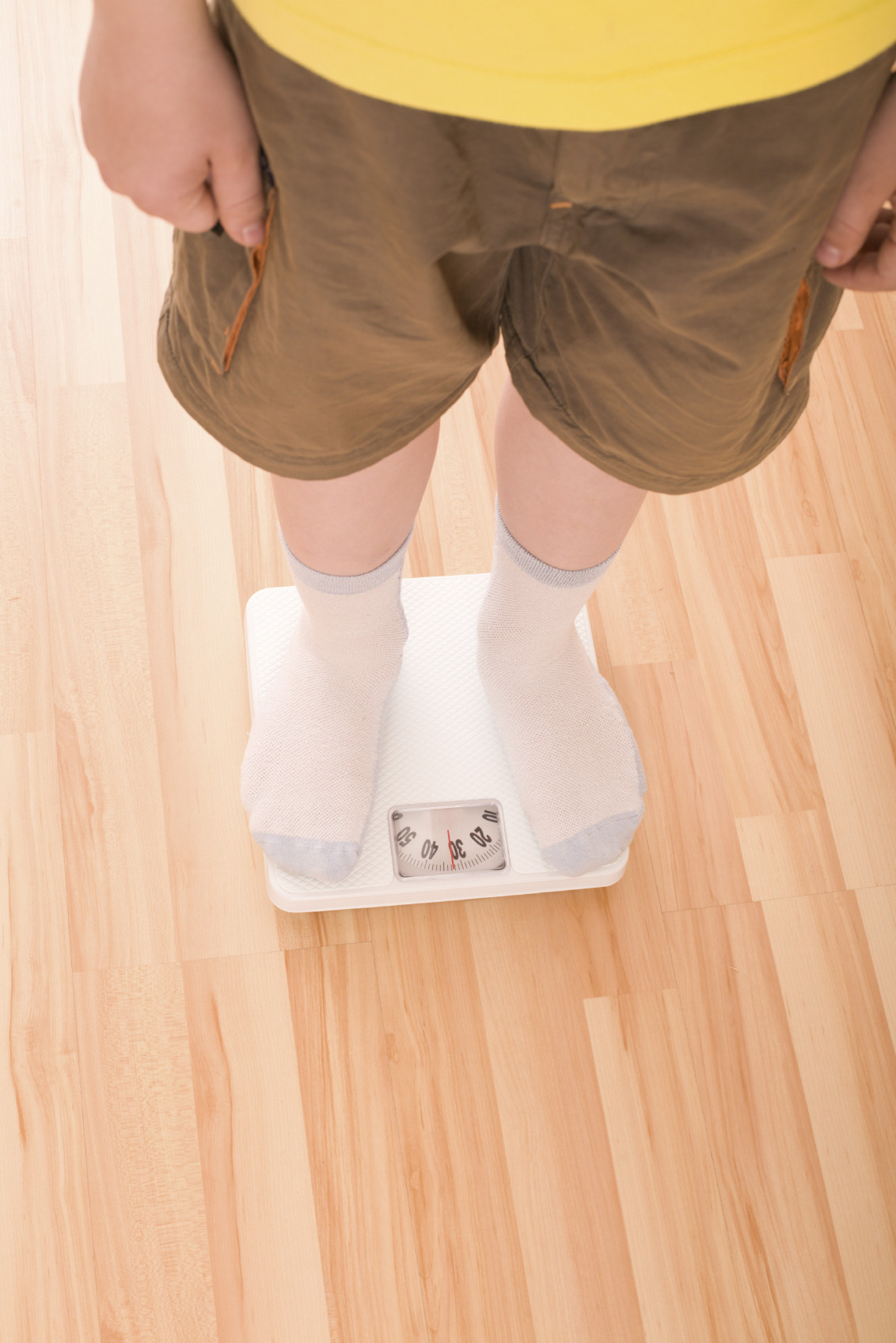
How much should teens weigh to prevent heart disease as adults?
We know that overweight teens have a higher risk of heart disease throughout their life, which is why pediatricians make sure to discuss healthy lifestyle choices with their patients. However, a recent study reveals that the weight ranges currently considered acceptable for teens might be too high, and therefore still putting them at risk. We’ve summarized the results and given you some ideas to help your teen lead an active, healthy lifestyle.

Which kids are most likely to have prolonged concussion symptoms?
Awareness of the effects of concussions in children and adolescents has risen, along with the frequency of diagnosis. Researchers and other medical professionals are attempting to develop tools such as a risk grading scale, that might be used to better manage the injury and provide the most effective treatment.

Ask the Doctor: Can we prevent this type of dementia?
Q. Do you think we'll ever be able to prevent Alzheimer's disease?
A. I do. Not because I'm an optimist (though I am) but because of the results of research in the past 25 years.

Ask the Doctor: Which exercise is best for brains?
Image: Thinkstock
Q. I heard regular aerobic exercise is better for the brain than strength exercises (resistance training). Is that true?
A. The study you probably heard about involved rats, not humans. The rats were made to engage each day in sustained aerobic exercise, high-intensity interval training, or resistance training, or they were allowed to just be sedentary. At the end of the study, the researchers examined the rats' brains. The rats doing regular aerobic exercise had more brain cells than the sedentary rats. However, the rats made to perform high-intensity interval training or the ones doing resistance training did not have more brain cells than the sedentary rats.

Do you need a depression screening?
News Briefs
Don't be surprised if your doctor screens you for depression at your next visit. An update to the U.S. Preventive Services Task Force recommendations for screenings, published Jan. 26, 2016, in The Journal of the American Medical Association, suggests that all adults 18 or older, including older adults, should be screened for depression when there are systems in place to ensure accurate diagnosis, effective treatment, and appropriate follow-up. The previous recommendations encouraged selective screening based on professional judgment and patient preferences. The new recommendation also includes pregnant and postpartum women for the first time. "Older adults often struggle with chronic disease, or the loss of a loved one, which may lead to depression," says Dr. Michael Craig Miller, an assistant professor of psychiatry at Harvard Medical School. "Screening is just a way to open the door for people who might otherwise not get the help they need." Dr. Miller says screening can simply be asking if, over a two-week period, you have either had little interest or pleasure in doing things or felt depressed and hopeless.

Caregivers: Heavier load may take a bigger toll on health
Image: Attila Barabas/Thinkstock
News Briefs
Caring for an elderly family member with disability, dementia, or both is a tough job. And those with the heaviest responsibilities suffer the most consequences, finds a study published Feb. 15, 2016, in JAMA Internal Medicine.
Researchers looked at information from two large national surveys of older adults and their family caregivers. They noted that about 15 million family caregivers are assisting almost eight million adults 65 or older, and 44% of caregivers are providing substantial care—about 28 hours per week—by helping with medication management, doctor visits, and transportation. Researchers found that people providing substantial care are more likely to live with the person they care for and are more likely to experience significant emotional, physical, and financial difficulty compared with caregivers who don't provide substantial help. Researchers also said people providing substantial care are more than five times as likely to miss out on activities they value and three times as likely to be less productive at work, compared with those who don't have such a heavy caregiving load.

FDA warns parents about arsenic in rice cereal
Rice has an unusually high arsenic content — and high amounts of arsenic in the body can increase the risk of cancer and learning difficulties. The FDA has recently proposed an upper limit on the amount of arsenic in infant rice cereal, but it hasn’t yet been adopted. In the meantime, we’ve listed steps you can take to reduce your — and your child’s — consumption of arsenic.
Negative views of aging linked with increased risk of Alzheimer's
A negative attitude about aging appears to be associated with a higher likelihood of Alzheimer's disease.
A study in the journal Psychology and Aging examined healthy, dementia-free subjects from the Baltimore Longitudinal Study of Aging, the nation's longest-running scientific study of aging.

We should be ashamed if we don’t pass Tobacco 21 laws
Ninety percent of smokers had their first cigarette before turning 18. A movement to raise the legal age to buy tobacco in the United States to 21 hopes that making it more difficult for young people to start smoking may lead to a healthier population overall.
Fatty liver disease: Should you be tested?
Even a little exercise linked with lower stroke risk in people with afib
Testosterone therapy without evidence of deficiency may boost heart risk
Weight-loss drug may lower risk of heart attacks and infections
Migraine: How it's diagnosed and what that means
Tricep workouts you can do at home
Mindfulness practices to reduce stress and improve focus
Antihistamines may not offer meaningful relief from eczema symptoms
Overweight and taking blood pressure medications: Study finds it's a trend that's working
FDA approves first mRNA-based flu vaccine
Free Healthbeat Signup
Get the latest in health news delivered to your inbox!
Sign Up
