

Fatty liver disease: Should you be tested?

Even a little exercise linked with lower stroke risk in people with afib

Testosterone therapy without evidence of deficiency may boost heart risk

Weight-loss drug may lower risk of heart attacks and infections

Migraine: How it's diagnosed and what that means

Tricep workouts you can do at home

Mindfulness practices to reduce stress and improve focus

Antihistamines may not offer meaningful relief from eczema symptoms

Overweight and taking blood pressure medications: Study finds it's a trend that's working

FDA approves first mRNA-based flu vaccine
Pediatric health Archive
Articles

3 ways to harness positive psychology for a more resilient you
| Image: iStock |
Some intriguing research suggests that positive psychology can help you weather the routine ups and downs of life and also build resilience for times of greater difficulty.
Here are three ways to capture the benefits of positive psychology.

Why some parents don’t follow the “safe sleep” recommendations for babies
The very thought of losing a baby to sudden infant death syndrome (SIDS) is terrifying. Safer sleeping practices for infants have greatly reduced the number of babies lost to SIDS, but many parents are unclear on the reasons behind these recommendations and therefore often don’t follow them. The safest way to put your baby to bed is: on the back; in a crib, minus blankets, bumpers, and stuffed animals; and with a pacifier. Another critical factor is maintaining a smoke-free home and family.


Vigorous exercise may counter cognitive decline in early Alzheimer's
Reports at the Alzheimer's Association International Conference in July 2015 verified that women are at higher risk than men for developing Alzheimer's, and also progress more rapidly from mild cognitive impairment to out-right dementia than men do. But not all the news was bad. A study reported at the meeting indicates that physical exercise can halt, and even reverse, the decline in people with mild cognitive impairment.
In that study, conducted by researchers at Wake Forest University in North Carolina, 65 previously sedentary women and men with mild cognitive impairment exercised at peak capacity for at least 45 minutes four times a week for six months. At the beginning and end of the study, researchers tested participants' cognitive skills and examined their blood and cerebrospinal fluid for levels of tau protein—a principal component of the amyloid plaques associated with Alzheimer's disease. They found that the participants scored significantly higher on the cognitive tests at the end of the study than they had at the beginning. Their tau protein levels had declined substantially as well.

Exercise: A promising treatment for dementia?
| Image: Thinkstock |
We know that moderate-intensity exercise, such as brisk walking, can both improve thinking skills and slow their decline in older age. Now a trio of studies presented at the July 2015 Alzheimer's Association International Conference suggest that aerobic exercise may even be able to help protect your brain from Alzheimer's and other dementias, and improve your quality of life if you have the disease. One study of 200 adults with Alzheimer's showed that those who engaged in three hour-long exercise sessions a week for 16 weeks had less anxiety, irritability, and depression and better mental speed and attention compared with those who didn't exercise. A study of 65 sedentary older adults with mild cognitive impairment showed that those who took part in 45 to 60 minutes of aerobic exercise four times a week for six months not only had better attention and planning skills, but also better blood flow to the brain and a reduction in dangerous proteins associated with Alzheimer's disease, compared with those who only did stretching exercises. A study of 71 older adults with cognitive impairment due to vascular disease found that those who did an hour of aerobic exercise three times per week for six months improved their thinking skills, memory, and attention compared with those who did not exercise. Although the studies were presented at a scientific meeting, it's only after publication of the full details that scientists can adequately judge a work. Nevertheless, the studies are in line with past research showing that regular exercise may help protect the brain.

Ask the doctor: High-dose flu vaccine: Is it better?
Ask the doctor
Q. I heard there is a high-dose flu vaccine that could work better in older people. Is it safe even if a man has a medical problem like cancer or heart disease?
A. The high-dose flu vaccine is very similar to the standard flu vaccine but appears to provide slightly better protection against influenza. Both vaccines target three different strains of the flu virus, selected from the most common strains predicted to be circulating that year. The viruses are inactivated, or killed, so they cannot cause the flu, even in people with weakened immune systems. Finally, both vaccines can cause mild symptoms of arm pain, redness, muscle aches, or low-grade fever. Although most people have minimal to no symptoms, the high-dose vaccine may slightly increase the side effects.

Savor the gifts of the aging mind
| Images: Thinkstock |
With aging, the body and mind change—but it's not all bad.
Aging brings physical changes and a greater risk of health problems—no one needs to tell you that. The mind changes too, and we grumble about things like increased forgetfulness. But the aging mind bestows some gifts, too.
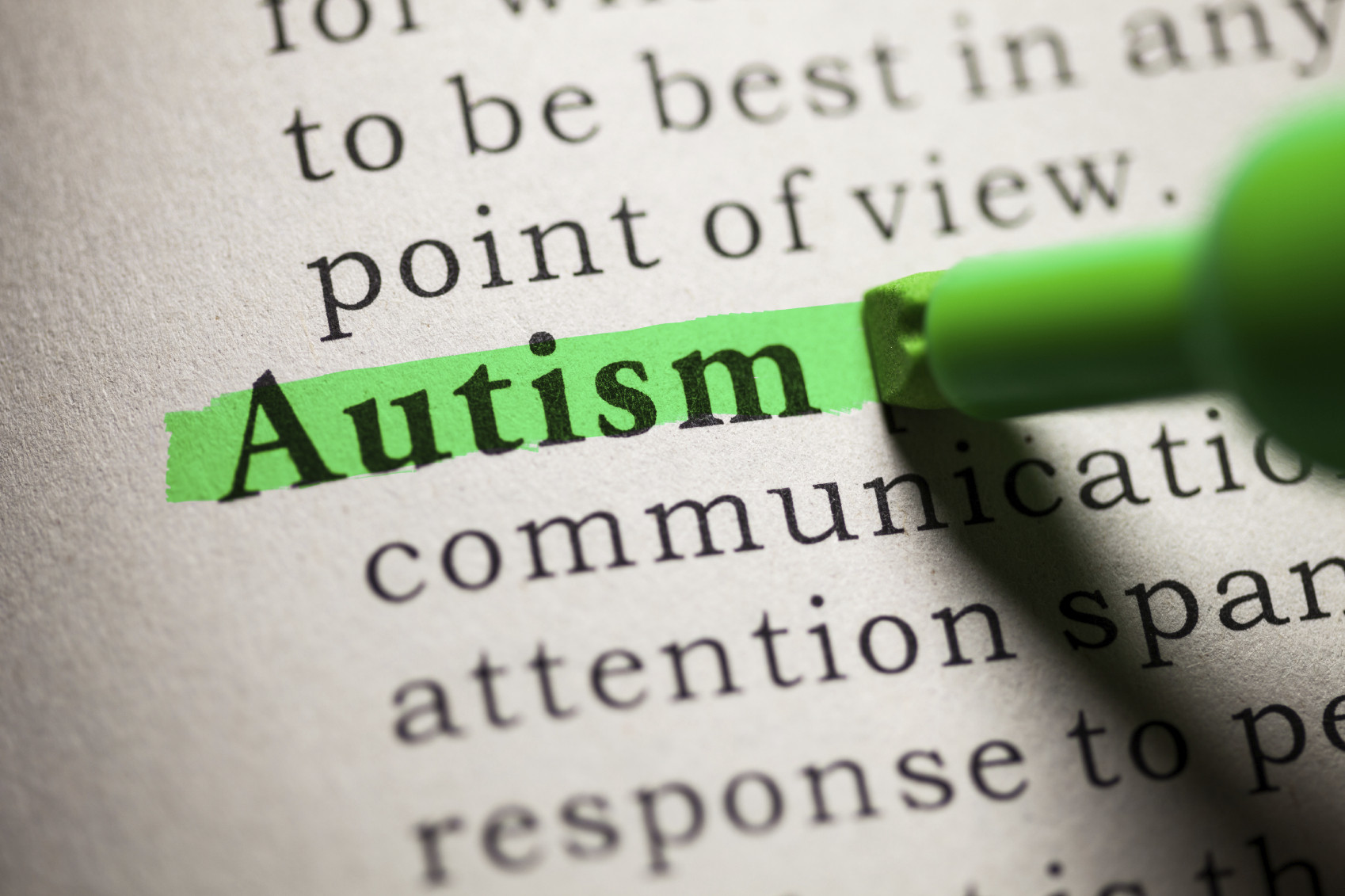
Looking for Autism
Statistics show that one out of every 68 children in the United States meets the criteria for autism spectrum disorder (ASD). What these figures don’t show is that early intervention and treatment can make a huge difference in the lives of these children and their families. Routine well-child visits are important to monitor health and growth, but they also provide an opportunity to keep an eye on a child’s development. While most children do not have ASD, and some kids are just “late bloomers,” others may show signs of any number of developmental challenges or delays — all of which benefit from therapies at home or at school. Of course, all children benefit from mindful observation of their development and advice and support from their pediatricians, should concerns arise.

Easing grief through religion and spirituality
There are many different ways to find comfort when grieving. Some people find that spirituality or organized religion is a source of great solace. Specific rituals and rites — whether sitting shiva, setting up an altar inside your home, or gathering at the cemetery once a year — can draw people together and encourage them to share their grief. Attending religious services can link you with a well-defined community primed to offer help of all sorts. And a kind word, a willing listener, a shared meal, and any number of large and small acts of assistance help keep people afloat and ease their distress after a death.
Religious or spiritual beliefs may also help by lending larger meaning to a loved one's life and death. For some, the belief that a loved one is enjoying the spiritual riches of heaven or preparing for the next turn of the wheel through reincarnation can be comforting. Believing your loved one helps guide you in this world or that you will be reunited in another place after your own death can help you continue to feel connected with the person.

Flu vaccination: Win some, lose some
If you got the flu shot last year and it didn't work, don't reject vaccination.
During last year's battle of The People vs. Influenza, the virus gained the upper hand. Early in the 2014–15 flu season, a new strain of the virus emerged against which the existing vaccine offered virtually no protection. Hospitalizations for flu in older adults spiked to the highest level in a decade.
Fatty liver disease: Should you be tested?
Even a little exercise linked with lower stroke risk in people with afib
Testosterone therapy without evidence of deficiency may boost heart risk
Weight-loss drug may lower risk of heart attacks and infections
Migraine: How it's diagnosed and what that means
Tricep workouts you can do at home
Mindfulness practices to reduce stress and improve focus
Antihistamines may not offer meaningful relief from eczema symptoms
Overweight and taking blood pressure medications: Study finds it's a trend that's working
FDA approves first mRNA-based flu vaccine
Free Healthbeat Signup
Get the latest in health news delivered to your inbox!
Sign Up
