

Fatty liver disease: Should you be tested?

Weight-loss drug may lower risk of heart attacks and infections

Testosterone therapy without evidence of deficiency may boost heart risk

Even a little exercise linked with lower stroke risk in people with afib

Antihistamines may not offer meaningful relief from eczema symptoms

What to eat on the DASH diet

Tricep workouts you can do at home

FDA approves first mRNA-based flu vaccine

Migraine: How it's diagnosed and what that means

Mindfulness practices to reduce stress and improve focus
Non-drug treatments and therapies Archive
Articles
Will lithium supplements be used to fight Alzheimer's one day?
A 2025 study suggests that very low levels of lithium in the brain might be linked to Alzheimer's disease. In mice, certain lithium supplements seemed to protect memory and the brain. But scientists don't yet know if lithium pills are safe or helpful for people.

Urgent care vs. emergency room: What's the right choice?
People sometimes have difficulty knowing if they should seek care at an emergency room or an urgent care center. Urgent care centers can treat health problems that don't endanger lives, while emergency rooms can treat serious or life-threatening problems.

Can you retrain your brain to stop excessive drinking?
For people who are concerned they're drinking too much but don't want to give up alcohol entirely, the Sinclair Method may help. It involves taking naltrexone (a drug that dampens alcohol's euphoric effects) an hour or two before drinking.
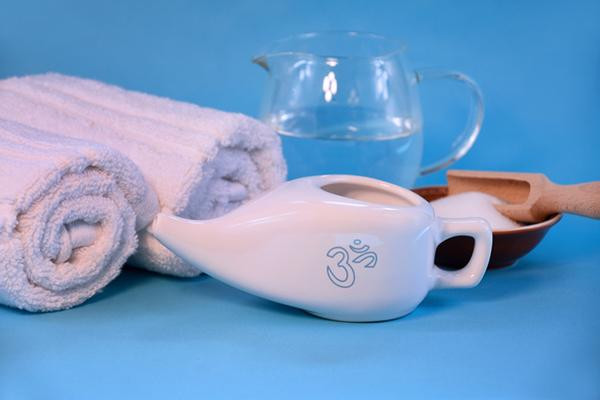
Can nasal irrigation help with winter colds and congestion?
Daily nasal irrigation (nasal rinses) may reduce symptom severity and the duration of a cold. It can also relieve the congestion caused by sinus infections and allergies. By means of a squeeze bottle, neti pot, or battery-powered system, saline is inserted into one nostril and flows out the other.

What is EMDR therapy, and who can it help?
Eye movement desensitization and reprocessing (EMDR) therapy is recognized as a proven method for treating post-traumatic stress disorder. It also shows promise for other mental health conditions, including personality disorders, anxiety, and depression.

What to know about heart palpitations
Heart palpitations are sensations of a pounding or racing heartbeat, often triggered by stress, stimulants, or hormonal changes. They're usually harmless but should be checked by a doctor. Palpitations may improve with lifestyle changes or treatment for underlying conditions.
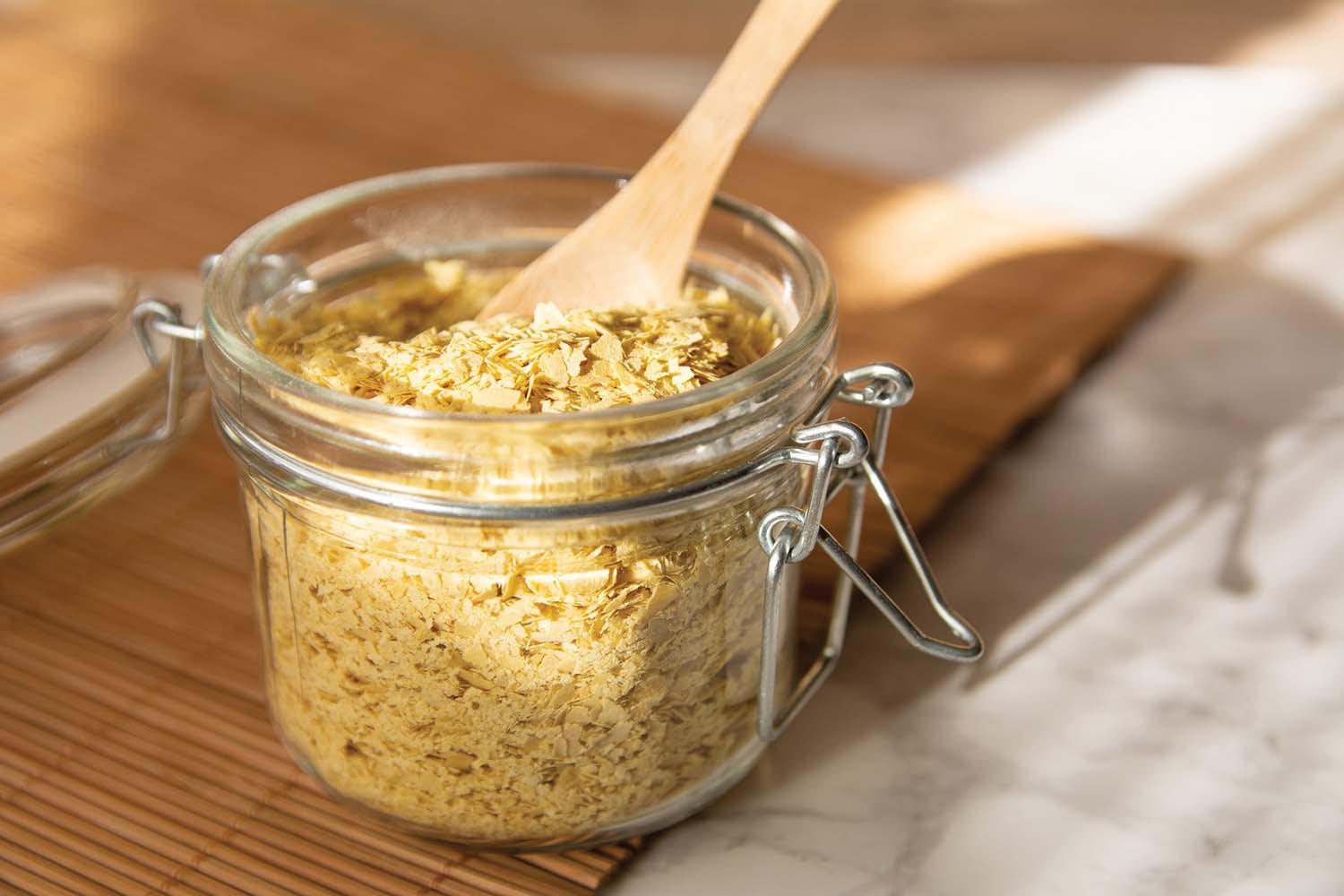
Caution: Sprinkle this savory seasoning with care
Nutritional yeast is a savory condiment that's often heavily fortified with vitamins. Because high doses may cause side effects, interact with some medications, or cause certain health problems, it's best used sparingly as a flavoring, not as a supplement.
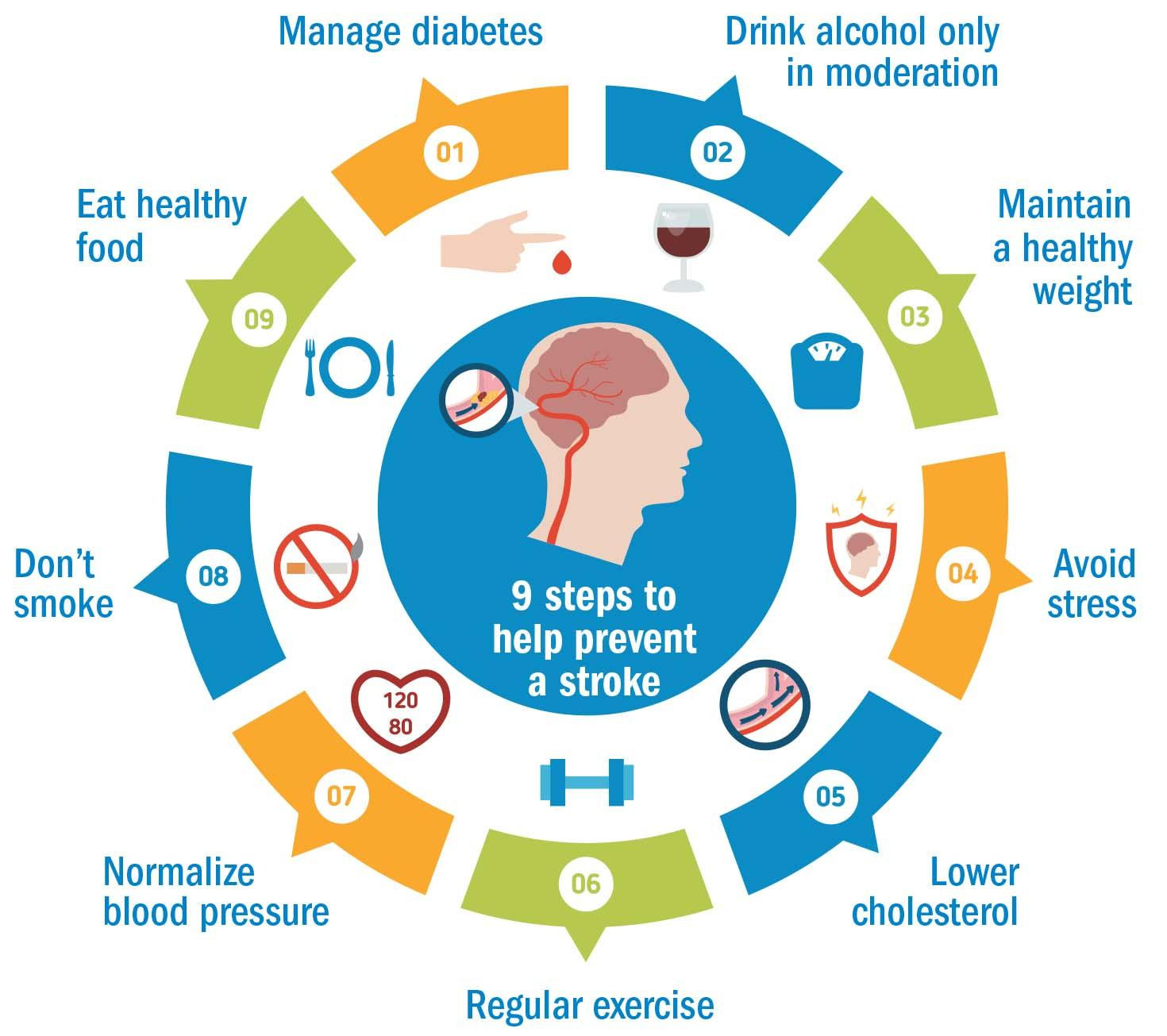
Reducing your stroke risk after a ministroke
A transient ischemic attack (TIA), or ministroke, is a serious warning sign for future stroke, especially in the first 48 hours. Medications plus lifestyle changes-healthy eating, regular exercise, and blood pressure control-can significantly lower that risk.
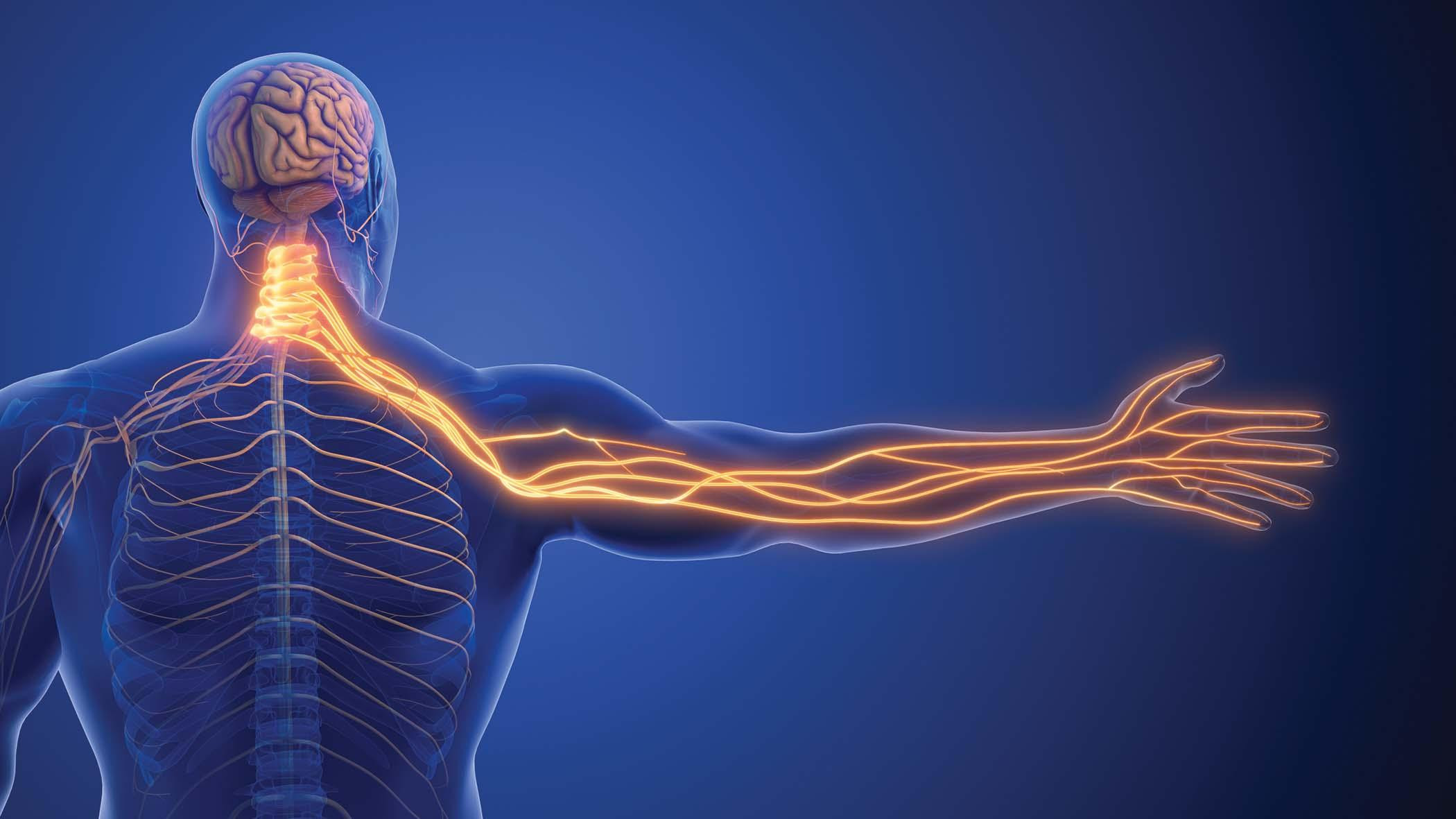
Punch back against pinched nerves
A pinched nerve occurs when something compresses or irritates a nerve. This can cause pain, tingling, or weakness in areas like the neck, back, or wrist. Rest and home remedies can help, but physical therapy and medication are sometimes needed.

New thinking on beta blocker use
Beta blockers have long been standard treatment for people after a heart attack. New evidence suggests they may not help those whose hearts still pump normally, though the drugs remain important for heart attack survivors with reduced ejection fraction.
Fatty liver disease: Should you be tested?
Weight-loss drug may lower risk of heart attacks and infections
Testosterone therapy without evidence of deficiency may boost heart risk
Even a little exercise linked with lower stroke risk in people with afib
Antihistamines may not offer meaningful relief from eczema symptoms
What to eat on the DASH diet
Tricep workouts you can do at home
FDA approves first mRNA-based flu vaccine
Migraine: How it's diagnosed and what that means
Mindfulness practices to reduce stress and improve focus
Free Healthbeat Signup
Get the latest in health news delivered to your inbox!
Sign Up
