

Fatty liver disease: Should you be tested?

Weight-loss drug may lower risk of heart attacks and infections

Testosterone therapy without evidence of deficiency may boost heart risk

Even a little exercise linked with lower stroke risk in people with afib

Antihistamines may not offer meaningful relief from eczema symptoms

What to eat on the DASH diet

Tricep workouts you can do at home

FDA approves first mRNA-based flu vaccine

Migraine: How it's diagnosed and what that means

Mindfulness practices to reduce stress and improve focus
Non-drug treatments and therapies Archive
Articles
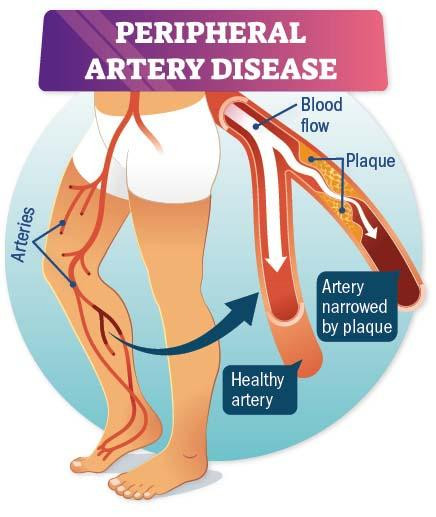
A new approach to peripheral artery disease
A 2025 randomized controlled trial found that GLP-1 receptor agonists, the blockbuster drugs approved to treat diabetes and obesity, boosted the walking ability of people with diabetes and peripheral artery disease (PAD) in the legs. The news is encouraging, since there are few effective treatments for PAD-reduced blood flow in the limbs that leads to pain with activity. However, it will take more evidence before doctors feel comfortable prescribing GLP-1s if a person only has PAD.


Does hormone therapy delay menopause?
Using hormone therapy, which involves taking estrogen and sometimes progesterone, doesn't stop or slow the approach of menopause. The arrival of menopause is determined by women's ovaries, not by the amount of these hormones in the body.

Do you have metabolic syndrome?
Metabolic syndrome is defined as having at least three of the following: abdominal obesity, high blood triglyceride levels, high blood pressure, high blood sugar levels, and low HDL cholesterol levels. The condition significantly increases the risk for cardiovascular disease, diabetes, kidney disease, fatty liver disease, and sleep apnea. While each factor is problematic, the main driver is abdominal obesity, from visceral fat surrounding internal organs. The best way to reduce visceral fat is aerobic exercise, strength training, and a plant-based diet.

Pill form of popular weight-loss drug lowers heart risks
A 2025 study found that a pill version of the drug semaglutide, marketed as Rybelsus, can lower the risk for serious heart problems in people who have diabetes as well as cardiovascular disease, kidney disease, or both.

Exercise can reduce fall risk among older women taking multiple medications
A 2025 study suggested that a structured exercise plan can significantly reduce the risk of falls among older women who take multiple medications.

Harvard and CDC study: Serious side effects from semaglutide are uncommon
In a 2025 study, researchers estimated that fewer than four emergency department visits attributed to semaglutide (Ozempic, Wegovy) occurred for every 1,000 patients taking the drug in 2022 and 2023. Most of the visits were related to gastrointestinal problems.

Topical painkillers for sprains and strains
Topical painkillers might be safer than pills to relieve discomfort from muscle strains (like a pulled hamstring) or ligament sprains (like a sprained ankle). This is because topicals target the area of pain. As a result, other parts of the body are exposed to lower levels of medicine. That's important, since some painkillers, such as nonsteroidal anti-inflammatory drugs (NSAIDs), can pose severe risks-such as heart attack and stroke.

Heat wave hazards
Certain medications can leave people more vulnerable to heat-related effects or the sun's rays. The medications can raise the risk of dehydration, make people sweat too much or too little, impair the body's ability to regulate temperature, or raise the risk of getting a bad sunburn. In addition, higher temperatures may damage some medicines, including diuretics, blood pressure drugs, some antidepressants, thyroid replacement hormones, and some over-the-counter antihistamines.

A major change for restless legs treatment
In its 2025 guidelines for treating restless legs syndrome (RLS), the American Academy of Sleep Medicine stopped recommending the long-term use of dopamine agonist drugs, since they can eventually make RLS symptoms worse. Instead, the guidelines strongly recommend another class of medications as the first-line treatment: alpha-2-delta ligands, such as gabapentin (Neurontin), gabapentin enacarbil (Horizant), and pregabalin (Lyrica). Alpha-2-delta ligands do not make RLS symptoms worse.
Fatty liver disease: Should you be tested?
Weight-loss drug may lower risk of heart attacks and infections
Testosterone therapy without evidence of deficiency may boost heart risk
Even a little exercise linked with lower stroke risk in people with afib
Antihistamines may not offer meaningful relief from eczema symptoms
What to eat on the DASH diet
Tricep workouts you can do at home
FDA approves first mRNA-based flu vaccine
Migraine: How it's diagnosed and what that means
Mindfulness practices to reduce stress and improve focus
Free Healthbeat Signup
Get the latest in health news delivered to your inbox!
Sign Up
