

Reading the current blood pressure guidelines

Oat vs. dairy milk: Nutrition, benefits, and downsides

Microplastics: A hidden health threat?

Healing after food poisoning

What is tempeh? Benefits, nutrition, and how to use it

Light exposure at night may raise risk for heart disease

Whole grains may improve several heart risk factors at once

A lumbar belt may help ease low back pain

Children of centenarians may stay healthier and live longer too, study finds

Signs of pneumonia: Sometimes vague and unexpected
Mobility Archive
Articles
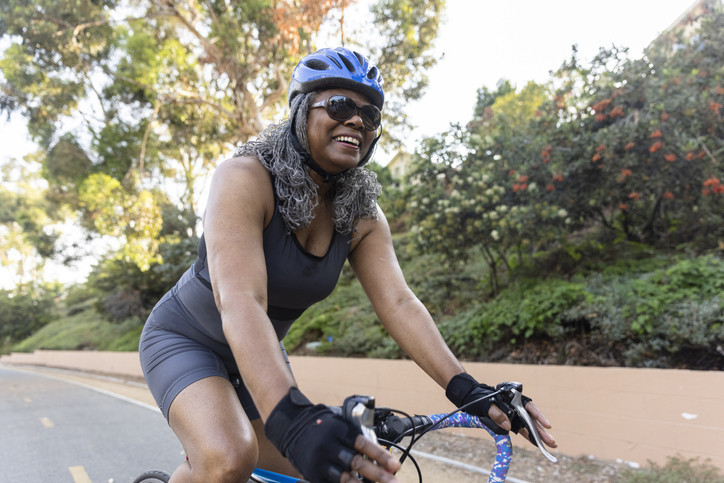
Strong legs help power summer activities: Hiking, biking, swimming, and more
Legs are the foundation for many enjoyable activities-running, bicycling, swimming, and more. Building strong leg muscles can improve your performance, build endurance, and reduce your risk of injury. These exercises will work all of the major muscle groups in your legs.

Try this: Band practice
Resistance bands are versatile exercise equipment that can supplement people's usual workouts. They also help people who have trouble gripping or holding dumbbells or need greater control when exercising, like when recovering from an injury or managing joint pain.

Take a Nordic walk
Nordic walking is a popular way to enjoy the benefits of walking while getting a full-body workout. It mimics the motion of cross-country skiing by using poles to push yourself as you walk along and can offer a higher-intensity workout than walking.

Yoga skepticism
About 38 million Americans practice yoga, and three-quarters are women. Some people hesitate to try yoga because they wrongly believe they must be slender and flexible and need to buy costly equipment. But yoga's health benefits are plentiful and proven. Research suggests yoga eases depression, boosts sleep quality, improves chronic pain, and reduces cardiovascular disease risks. People can overcome their reluctance to try yoga by joining a class, taking a friend along, asking for modifications, and being patient with their progress.

Does tai chi beat aerobics to lower blood pressure?
A 2024 study found that among people at risk for high blood pressure, those who practiced tai chi for one hour four times a week for a year experienced an average seven-point drop in blood pressure, compared with a four-point drop in those who did aerobics instead.

Spin class: Incorporating indoor cycling into your fitness routine
Spinning classes offer a great cardiovascular workout for older men and can help build lower-body muscle strength. Spinning is also a low-impact exercise that places less stress on the joints, which makes it ideal for men with knee or hip issues or those recovering from orthopedic injuries.

Is blood sugar monitoring without diabetes worthwhile?
Implantable blood sugar monitoring devices known as CGMs have revolutionized care for millions of people with diabetes. Now several companies are marketing them for people without diabetes to monitor blood sugar levels -- but is there any evidence for health benefits?

The importance of stretching
Stretching keeps the muscles flexible, strong, and healthy, which is needed to maintain a range of motion in the joints. If possible one should stretch daily, focusing on the lower extremities. It's important to stretch after a workout, not before.

Concussion in children: What to know and do
Concussion is one of the most common injuries to the brain, affecting about two million children and teens every year. Understanding signs, symptoms, questions to ask, and how concussion care has changed in recent years can make a difference in identifying concussion and recovery.

Reading the current blood pressure guidelines
Oat vs. dairy milk: Nutrition, benefits, and downsides
Microplastics: A hidden health threat?
Healing after food poisoning
What is tempeh? Benefits, nutrition, and how to use it
Light exposure at night may raise risk for heart disease
Whole grains may improve several heart risk factors at once
A lumbar belt may help ease low back pain
Children of centenarians may stay healthier and live longer too, study finds
Signs of pneumonia: Sometimes vague and unexpected
Free Healthbeat Signup
Get the latest in health news delivered to your inbox!
Sign Up
