

Even a little exercise linked with lower stroke risk in people with afib

Testosterone therapy without evidence of deficiency may boost heart risk

Weight-loss drug may lower risk of heart attacks and infections

What to eat on the DASH diet

Migraine: How it's diagnosed and what that means

Tricep workouts you can do at home

Mindfulness practices to reduce stress and improve focus

Antihistamines may not offer meaningful relief from eczema symptoms

Overweight and taking blood pressure medications: Study finds it's a trend that's working

FDA approves first mRNA-based flu vaccine
Mobility, safety, and fall prevention Archive
Articles

Tennis, anyone?
When it comes to heart health, there's a lot to love about racket sports.
If you haven't lobbed a tennis ball over a net since high school, you might want to pick up a racket again. A recent study suggests that people who play racket sports regularly may slash their odds of dying from a heart attack or stroke.
Tennis, which ranks among the world's most popular sports, provides an excellent full-body workout, plus a few other less obvious benefits. And lower-impact racket sports, such as badminton or table tennis, may be good choices for people who have certain health conditions or who are older (see "Ping-Pong, perhaps?").

Getting a start on growing stronger
Building strength and power is key to healthy aging, both physically and mentally. It may be easier than you think.
We probably don't need to remind you that your body changes with age. Age-related muscle loss begins at around age 35 and progresses slowly — at about 1% per year. But after about age 60, muscle loses mass more rapidly, so that adults who don't do regular strength training may lose 4 to 6 pounds of muscle per decade. Moreover, the lost muscle is usually replaced by fat.
Studies show that strength training not only can slow muscle loss, it can also help prevent or control conditions as varied as heart disease, diabetes, arthritis, and osteoporosis. And recent research indicates that it can also improve cognitive function, especially when added to aerobic exercise. As we age, strength training helps to preserve mobility and reduce the risk of falling. "What has been shown is that if you're looking at mobility problems, the most beneficial exercises that are those that focus on progressive training for strength and power," says Dr. Jonathan Bean, an associate professor of physical medicine and rehabilitation at Harvard Medical School.

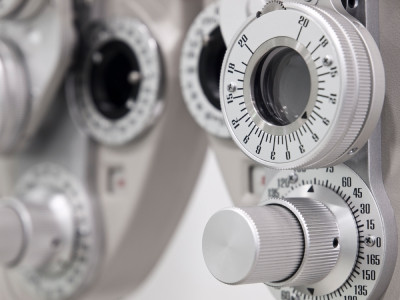
5 ways to protect your eyes from AMD
Age-related macular degeneration (AMD) is a condition in which the macula, the part of the eye that's responsible for your sharpest and most detailed vision, begins to thin and break down, causing vision loss. If left untreated, it can lead to blindness.
There is no surefire way to prevent AMD. However, there are things you can do to delay its onset or reduce its severity. Here are 5 of our favorites:
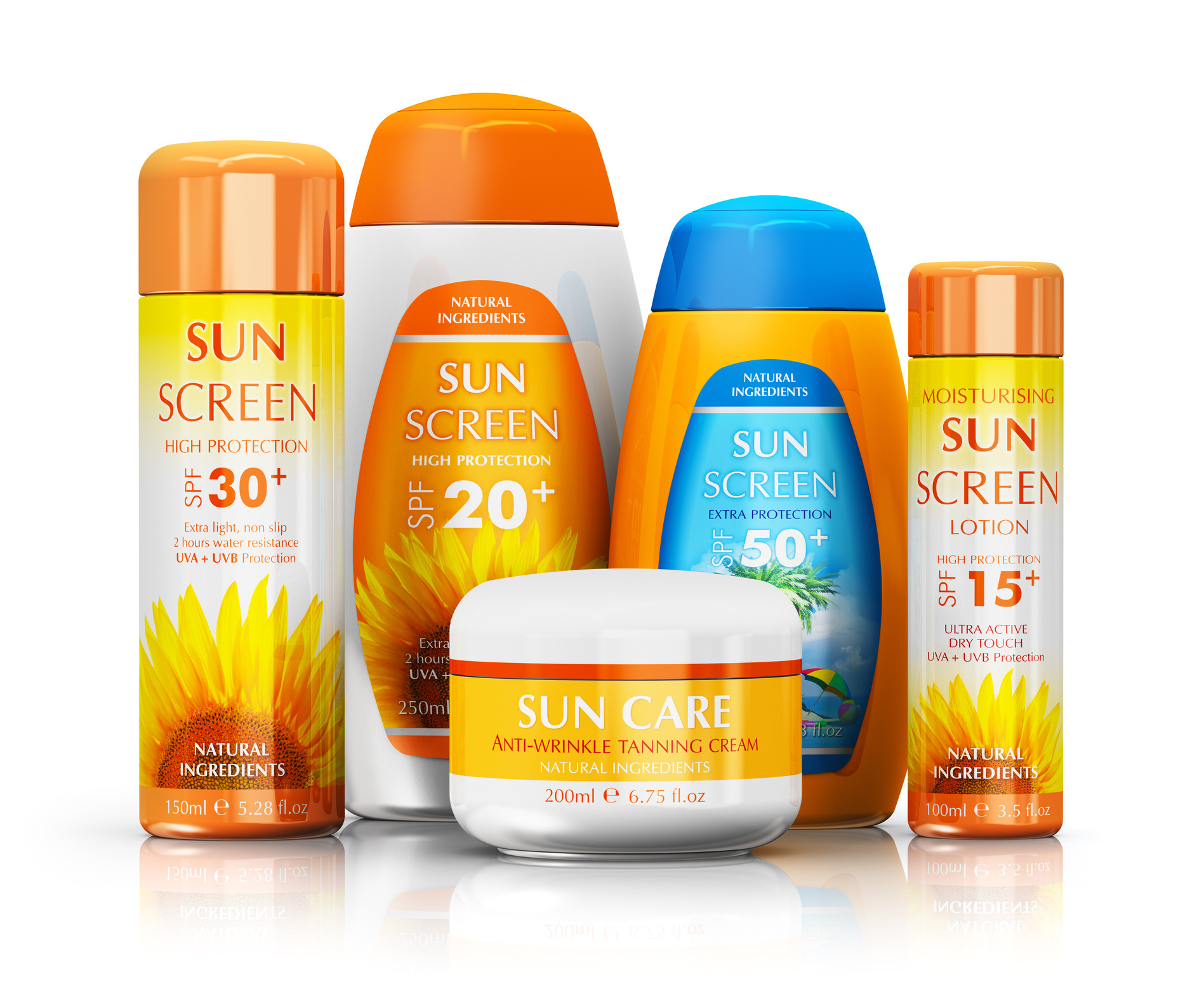


A quick-start guide to the latest food terminology
New phrases showing up on packaging don't always tell you if the food is better for your health.
Image: © Jupiterimages/Thinkstock
You're not alone if you don't know the meaning of certain terms on food labels lately. A new language has developed to describe healthy ways to produce meat, vegetables, fruit, and other products in the grocery store. "It's not just the terms that are confusing, but also various associated health claims," says Vasanti Malik, a nutrition researcher at the Harvard T.H. Chan School of Public Health.
Organic vs. natural
Some food is labeled "organic" or "natural." What's the difference? The FDA doesn't have a definition for "natural," although it doesn't object to the term if a food does not contain added color, artificial flavors, or synthetic substances.

Does your diet deliver vitamin-rich foods?
It's easy enough to look up how much vitamin C or calcium you should get each day. It is also easy to read the back of a vitamin bottle to see just how much of a given vitamin or mineral the product provides. But how can you tell if what you eat — which should be your primary source of important nutrients — is giving you what you need?
One way is to focus on the big picture: eat a balanced diet that contains a variety of colorful fruits and vegetables, whole grains, beans, nuts, dairy products, seafood, lean meats, and poultry. Focus on nutrient-dense foods like these, which are packed with vitamins and minerals relative to the number of calories they deliver, and you should be fine.
Even a little exercise linked with lower stroke risk in people with afib
Testosterone therapy without evidence of deficiency may boost heart risk
Weight-loss drug may lower risk of heart attacks and infections
What to eat on the DASH diet
Migraine: How it's diagnosed and what that means
Tricep workouts you can do at home
Mindfulness practices to reduce stress and improve focus
Antihistamines may not offer meaningful relief from eczema symptoms
Overweight and taking blood pressure medications: Study finds it's a trend that's working
FDA approves first mRNA-based flu vaccine
Free Healthbeat Signup
Get the latest in health news delivered to your inbox!
Sign Up
