

Naturally gluten-free foods

Harvard study: Healthier fats linked to longer life after prostate cancer diagnosis

Shingrix shingles vaccine linked with lower heart disease risks

Estrogen-only hormone therapy tied to lower dementia risk
Should you have a hysterectomy?

Stair climbing may significantly lower cardiovascular risks

Why do I sweat so much?

Walking pneumonia: The "mild" illness that can still pack a punch

What causes knee pain: How doctors make a diagnosis
Where you carry excess weight matters in predicting heart disease risk
Metabolic syndrome Archive
Articles
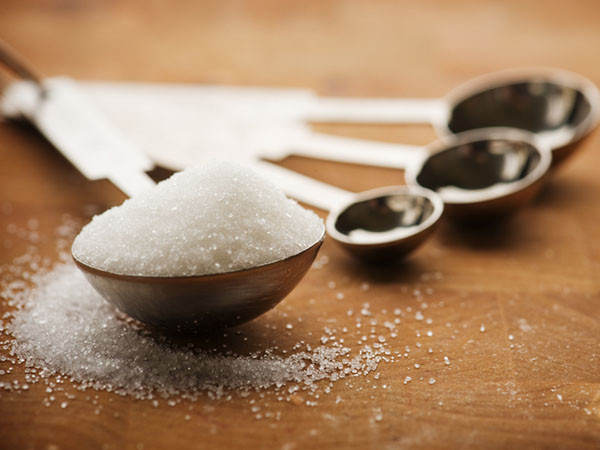
Sugar: How sweet it is... or is it?
As more Americans are considered obese, including children, a study examined what effect a voluntary reduction in the sugar content of foods would have on rates of obesity, diabetes, heart disease, and health care costs. But in the absence of such a change, there are ways you can reduce your sugar intake without having to give up sweet treats entirely.

Do people who have COVID-19 go on to develop other diseases?
Evidence suggests that people who recover from COVID-19 have an increased risk for developing new health problems, including heart attacks, high blood pressure, diabetes, high cholesterol, muscle inflammation, blood clots that travel to the lungs, strokes from clots or hemorrhages, or psychosis. This is in addition to permanent damage that can result from having COVID, including damage to the lungs, heart, kidneys, brain, or other organs; and debilitating fatigue, difficulty thinking, and other symptoms that make it hard to function normally at work or at home.

Tooth loss truth: It's no longer about the tooth fairy
Older Americans are keeping their teeth longer, but the prevalence of tooth loss is higher among people with chronic disease or overall worse health. However, loss of a tooth can also result from tooth decay, periodontal infection, or accidental trauma. Aside from accidents, most people should be able to prevent tooth loss by following good oral care habits.

Pregnancy problems may foretell future heart disease

Which disease starts first?
Among atherosclerosis, obesity, high blood pressure, high cholesterol, and diabetes, which are all related, cholesterol deposits start first.

5 important blood tests beyond the basics

Advice about daily aspirin
High-glycemic diets could lead to big health problems

Prediabetes diagnosis as an older adult: What does it really mean?
Prediabetes often precedes the development of type 2 diabetes, and in young and middle-aged people it's important to identify prediabetes because it may be possible to prevent or delay the development of diabetes. Researchers wanted to know if the implications of being diagnosed with prediabetes are similar for older adults.

Is a "normal" blood pressure reading too high for women?
Naturally gluten-free foods
Harvard study: Healthier fats linked to longer life after prostate cancer diagnosis
Shingrix shingles vaccine linked with lower heart disease risks
Estrogen-only hormone therapy tied to lower dementia risk
Should you have a hysterectomy?
Stair climbing may significantly lower cardiovascular risks
Why do I sweat so much?
Walking pneumonia: The "mild" illness that can still pack a punch
What causes knee pain: How doctors make a diagnosis
Where you carry excess weight matters in predicting heart disease risk
Free Healthbeat Signup
Get the latest in health news delivered to your inbox!
Sign Up
