

Naturally gluten-free foods

Harvard study: Healthier fats linked to longer life after prostate cancer diagnosis

Shingrix shingles vaccine linked with lower heart disease risks

Estrogen-only hormone therapy tied to lower dementia risk

Should you have a hysterectomy?

Stair climbing may significantly lower cardiovascular risks

Why do I sweat so much?

Walking pneumonia: The "mild" illness that can still pack a punch

What causes knee pain: How doctors make a diagnosis

Where you carry excess weight matters in predicting heart disease risk
Men's Health Archive
Articles

Test may diagnose prostate cancer more accurately
A study in the December 2015 issue of The Lancet Oncology found that a new test, called STHLM3, is more helpful at detecting aggressive cancer than traditional tests for prostate-specific antigen (PSA).
The STHLM3 test is a blood test that analyzes a combination of six protein markers, more than 200 genetic markers, and various clinical data, such as age, family history, and previous prostate biopsies.

Men's hearts age differently from women's
Here is one more way men and women are different: research published online Oct. 20, 2015 in Radiology found that male and female hearts do not age the same way.
For the study, researchers reviewed MRI heart scans performed on almost 3,000 older adults, ages 54 to 94, without existing heart disease. (Scans were given 10 years apart.) The scans showed that in both sexes, the main heart chamber—the left ventricle, which fills with and then forces out blood—gets smaller with time. As a result, less blood enters the heart, and less gets pumped out to the rest of the body.
How can I tell if I'm sleeping enough?
Ask the doctor
Q: I have always had difficulty sleeping. Since I have taken to heart the advice for good sleep habits, I think I'm sleeping better, but I'm not sure. I'm in bed about 8.5 hours, but am often restless and get up to go to the bathroom a couple of times during the night. Is there a way to compute how much sleep I'm actually getting?
A: Adequate sleep is an important part of health. While the exact amount needed to maximize health and wellness is not totally clear, many experts recommend around seven to nine hours per night. Adequate sleep is associated with memory, improved mood, better weight control, improved diabetes control, greater resistance to colds, and fewer accidents.

Should you use a retail health clinic?
They're convenient and affordable, but they don't replace a relationship with a primary care physician.
Walk into a drugstore, supermarket, or "big box" store these days, and you'll find more than prescriptions, food, and household goods. Many now feature health clinics. They're part of the big trend of making health care more convenient. "Twenty years ago you had to go to an emergency department if you got sick and needed immediate care. Now we have an explosion of options, such as retail health clinics," says Dr. Ateev Mehrotra, a researcher on the topic and an associate professor of health care policy at Harvard Medical School.
The clinics
Retail health clinics began showing up about 15 years ago. Today, there are about 2,000 clinics across the United States, mostly in large retail chain settings. A typical clinic is open from 7 a.m. to 7 p.m., seven days a week, and is staffed by a nurse practitioner or a physician assistant. Clinics offer all kinds of health services—everything from treating minor illness like a cold, pinkeye, or a urinary tract infection to providing physicals, health screenings, lab work, smoking cessation help, and vaccinations.

The health benefits and risks of pet ownership
They're cute, cuddly, and loving, but dogs and cats aren't always appropriate for older adults.
There's a reason dogs are dubbed man's best friend. Dogs—and cats, too—make wonderful companions and provide many emotional and physical benefits. "I'm a believer in the beneficial effects of having a pet, and I'm impressed with the ability of dogs in particular to form bonds with human beings. I think the science is starting to support their special ability to do that," says psychiatrist Dr. Greg Fricchione, director of the Harvard-affiliated Benson-Henry Institute for Mind Body Medicine. However, there are a number of considerations to mull over before adding a pet to your household.
Benefits
The most obvious benefits of pet ownership are love and companionship. "We do best medically and emotionally when we feel securely attached to another, because we're mammals and that's the way we've evolved," says Dr. Fricchione. He points out that we feel especially secure with dogs and cats because of the unconditional love they provide. "No matter what you do or say, your dog or cat accepts you and is attached to you," says Dr. Fricchione. Taking care of a dog or a cat can provide a sense of purpose and a feeling of validation when you wake up or come home and there's someone who's happy to see you.
Ask the doctor: Concern about a now "normal" PSA
Ask the doctor
Q: I am 68 years old, and recently my PSA level (which was normal before) increased to 5.2 nanograms per milliliter (ng/ml). My doctor repeated the test one month later, and it was normal again at 3.3 ng/ml. Should I still be concerned?
A: One of the reasons that routine PSA testing is so controversial is the inability of the test to distinguish men with prostate cancer from those without it. A common cutoff is 4 ng/ml, but this is hardly a black-and-white answer. In fact, 30% of men with a PSA result between 4 and 10 have cancer. (The remaining 70% have benign causes, like an enlarged prostate.) In men with a "normal" PSA in the 2-to-4 range, 20% have cancer. So the risk is still present.
A little help from your friends
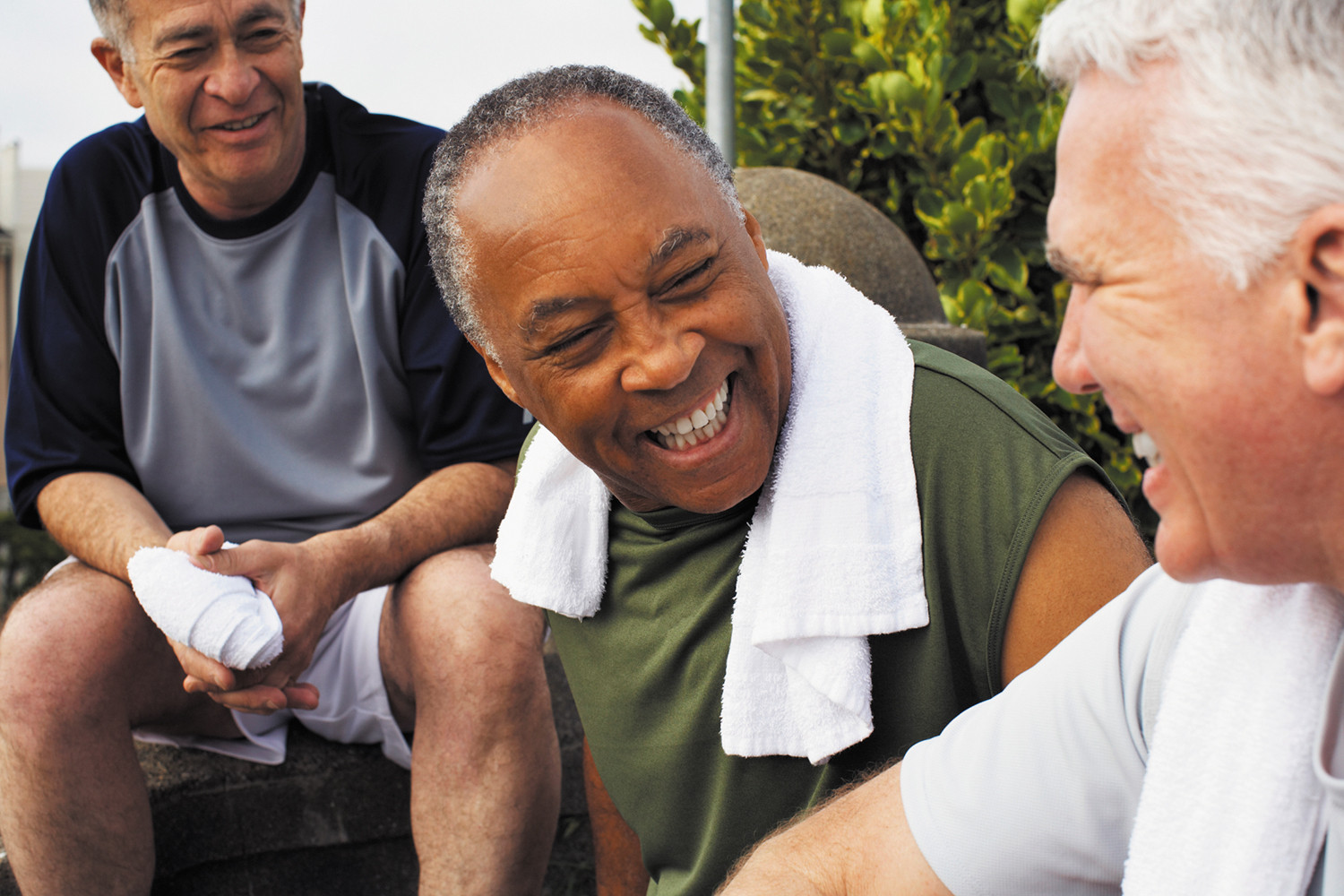
Fostering strong social connections does not come easy for many men, but it is one of the best means to a longer and healthier life.
Social connections are as important to your health as proper diet and exercise. Research has linked social bonding to longer lives, lower incidence of depression and anxiety, and reduced risk of disease.
"Our brains and bodies function best when we are part of a community and maintain close, personal connections," says Dr. William S. Pollack, assistant clinical professor in the Department of Psychiatry at Harvard Medical School.

Passing your physical exam
The annual check-up is important for older men. Here is how to make the most out of your visit.
Men have a long reputation for avoiding check-ups, and that resistance tends not to soften when they are older.
"Many older men put off exams because they fear finding out something is wrong," says Dr. Suzanne Salamon, a geriatrician with Harvard-affiliated Beth Israel Deaconess Medical Center. "Also, many of today's baby boomers don't think they will have medical problems associated with age, so it can difficult for the 'younger older men,' like those in their 60s and early 70s, to see their doctor."
Preserve your muscle mass
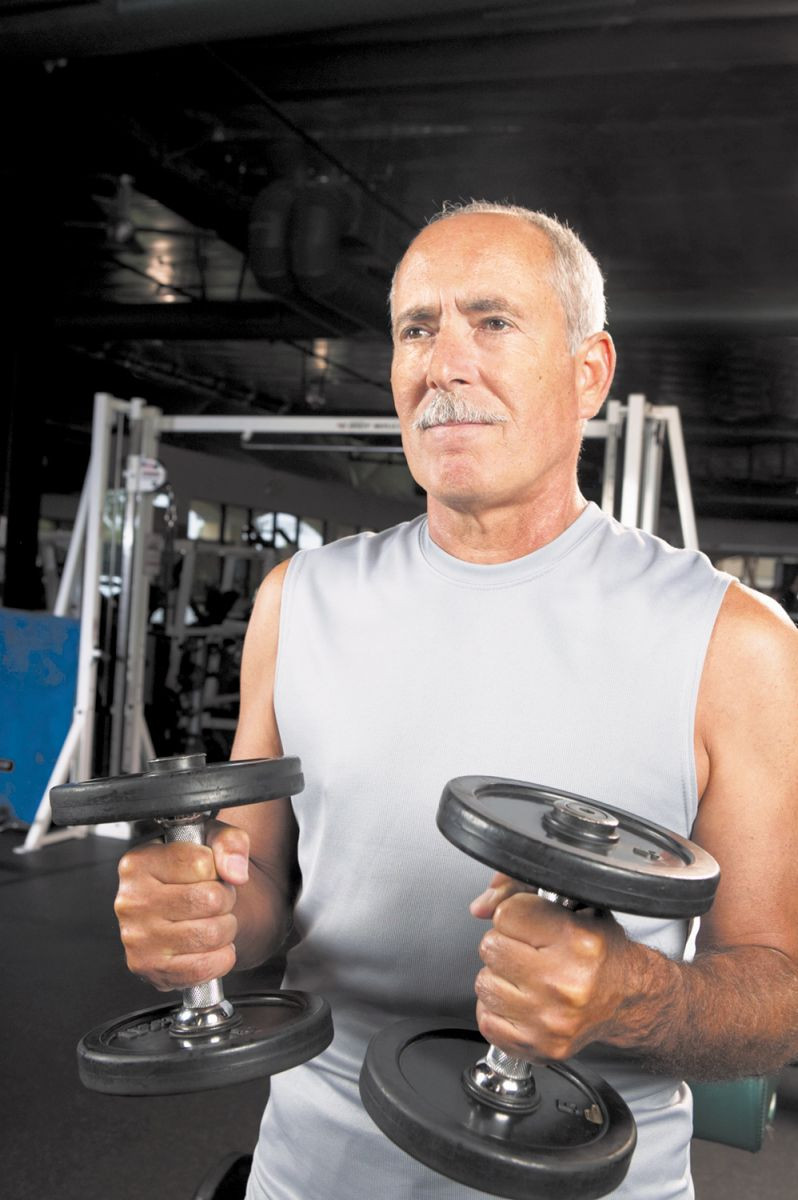
Declining muscle mass is part of aging, but that does not mean you are helpless to stop it.
The saying goes there are two certainties in life: death and taxes. But men should also add loss of muscle mass to the list.
Age-related muscle loss, called sarcopenia, is a natural part of aging. After age 30, you begin to lose as much as 3% to 5% per decade. Most men will lose about 30% of their muscle mass during their lifetimes.
Naturally gluten-free foods
Harvard study: Healthier fats linked to longer life after prostate cancer diagnosis
Shingrix shingles vaccine linked with lower heart disease risks
Estrogen-only hormone therapy tied to lower dementia risk
Should you have a hysterectomy?
Stair climbing may significantly lower cardiovascular risks
Why do I sweat so much?
Walking pneumonia: The "mild" illness that can still pack a punch
What causes knee pain: How doctors make a diagnosis
Where you carry excess weight matters in predicting heart disease risk
Free Healthbeat Signup
Get the latest in health news delivered to your inbox!
Sign Up
