

CoQ10: Should you take this popular supplement if you're on a statin?

Microplastics: A hidden health threat?

Oat vs. dairy milk: Nutrition, benefits, and downsides

What is tempeh? Benefits, nutrition, and how to use it

Healing after food poisoning

Children of centenarians may stay healthier and live longer too, study finds

Light exposure at night may raise risk for heart disease

Whole grains may improve several heart risk factors at once

A lumbar belt may help ease low back pain

Signs of pneumonia: Sometimes vague and unexpected
Men's Health Archive
Articles

Testosterone therapy may be safe for men at risk for heart attack and stroke
A 2023 study suggests taking testosterone replacement therapy does not raise the risk for heart attacks or stroke among men with cardiovascular disease or a high risk for it, but it could increase the risk of atrial fibrillation, acute kidney injury, and pulmonary embolism.

An inside look at body fat
As men age, their metabolism naturally slows, and they burn calories more slowly. They can be less active and consume extra calories. The result is a buildup of visceral fat inside the abdominal cavity and around vital organs. This can raise heart disease risk factors, such as blood pressure, blood sugar, and total cholesterol levels. The best way to fight visceral fat is with aerobic exercise, strength training, and a healthy diet that includes plenty of protein.

Prostate cancer: A new type of radiation treatment limits risk of side effects
A new technique for prostate cancer treatment can limit side effects from radiation therapy. It relies on specialized types of medical imaging scans that allow doctors to visualize the cancer during treatment.

FDA approves new over-the-counter gel for erectile dysfunction
The FDA has approved an over-the-counter topical gel to treat erectile dysfunction that men apply immediately before intercourse. It works in approximately 10 minutes.

Rethinking PSA testing
Prostate-specific antigen (PSA) screening can help identify early prostate cancer, but it also can lead men to have biopsies and invasive treatments they may not need. This complexity has caused the medical community to re-evaluate how best to use PSA testing. More doctors are using PSA screening in ways that minimize the use of biopsies, such as by following a worrisome test result with MRI of the prostate. If a man does have a biopsy and a cancer is found, PSA testing can help the man follow active surveillance.

Skin in the game: Common skin problems and solutions for men
Dry skin and athlete's foot affect many men. There are several treatment options for both conditions, and steps you can take to prevent them from occurring or returning.
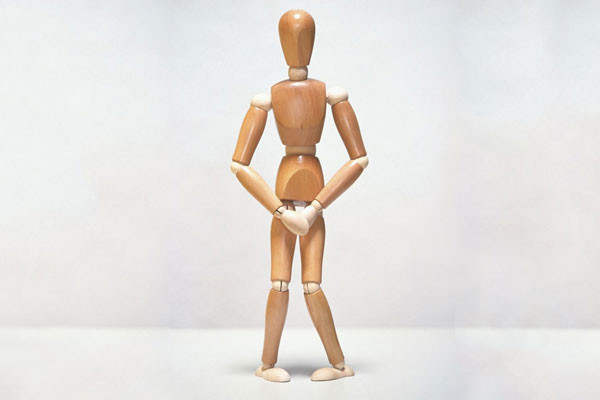
Try these techniques to relieve common urinary symptoms without medication
Men with mild-to-moderate symptoms of benign prostatic hyperplasia can try a conservative approach called watchful waiting. Behavior changes can help control symptoms. If these don't work, a discussion with a doctor about drugs or surgery is in order.

Prostate cancer: An emerging surgical alternative shows promise in older men
In some men with localized prostate cancer, focal therapy is an alternative to radical prostatectomy. This procedure removes only the cancerous part of the gland, and growing evidence shows it can be an effective strategy.

Watch out for tainted sexual enhancement products
According to the FDA, many sexual enhancement products sold online and over the counter may cause potentially serious side effects and interact with other medications or dietary supplements.

Diet and prostate cancer
Eating a plant-based diet like the Mediterranean, MIND, or DASH diet has been shown to help people lose weight and lower their risk for heart disease and diabetes. But such a diet may also help men lower their risk for prostate cancer or help slow the spread of existing prostate cancer. The connection may be due to high consumption of inflammation-fighting fruits, vegetables, and fatty fish, and the fact that people who follow a plant-based diet eat less red meat and processed foods, high intakes of which are associated with cancer risk.
CoQ10: Should you take this popular supplement if you're on a statin?
Microplastics: A hidden health threat?
Oat vs. dairy milk: Nutrition, benefits, and downsides
What is tempeh? Benefits, nutrition, and how to use it
Healing after food poisoning
Children of centenarians may stay healthier and live longer too, study finds
Light exposure at night may raise risk for heart disease
Whole grains may improve several heart risk factors at once
A lumbar belt may help ease low back pain
Signs of pneumonia: Sometimes vague and unexpected
Free Healthbeat Signup
Get the latest in health news delivered to your inbox!
Sign Up
