

Oat vs. dairy milk: Nutrition, benefits, and downsides

Microplastics: A hidden health threat?

Healing after food poisoning

What is tempeh? Benefits, nutrition, and how to use it

Light exposure at night may raise risk for heart disease

Whole grains may improve several heart risk factors at once

A lumbar belt may help ease low back pain

Children of centenarians may stay healthier and live longer too, study finds

Signs of pneumonia: Sometimes vague and unexpected

The surprising link between ovarian cancer and the fallopian tubes
Memory Archive
Articles

Do meditation and brain games boost memory and thinking skills?
News briefs
We already know that mindfulness meditation and a mentally active life are boons to healthy aging. But do these practices also help older people struggling with mild cognitive impairment (MCI)? To find out, Harvard researchers reviewed more than a dozen recent studies that looked at the effects of either mindfulness or cognitive training (including computerized programs) on older adults with MCI. In findings published online Dec. 29, 2020, by The American Journal of Medicine, researchers concluded that both strategies have potential benefits for cognition and mood. For people with MCI, practicing mindfulness over several weeks to months seemed to sharpen attention, memory, and other mental skills, and ease anxiety and depression. Similarly, cognitive training was associated with better memory, executive function, and mood. Most of the studies included in the review were relatively small and short-term, so they don't provide strong evidence of benefit, nor could they determine how long any benefit might last. But researchers say both strategies are feasible and low-risk, with the potential to benefit thinking skills and mood in people with MCI. Now we need more research to find out how the benefits might translate into everyday life and endure over time.
Image: Image Source/Getty Images

Take a mental break from pain
Mindfulness can help soothe short-term and chronic pain.
Your mind is a powerful pain remedy when given the chance. Science continues to show how mindfulness can manage pain — and it doesn't take years to master.
"Using mindfulness is a way for older adults to treat ongoing chronic pain and the occasional flare-up without having to always rely on medication," says Ellen Slawsby, director of pain services at Harvard-affiliated Benson-Henry Institute for Mind Body Medicine.

Focusing on past successes can help you make better decisions
In the journals
People with anxiety or depression often have trouble making sound decisions. But a study suggests their judgment can improve if they focus on past successes instead of mistakes. The findings were published online Dec. 22, 2020, by the journal eLife.
Researchers recruited 86 adults, divided into three groups. In one group were people diagnosed with generalized anxiety disorder or major depression. Another group consisted of people who showed anxiety or depression symptoms, like excessive worrying and not feeling good about the future, but were not clinically diagnosed. The final group included those without anxiety or depression.

Is it dementia or something else?
Many cases of memory loss aren't related to dementia, but stem from other, treatable conditions.
You've been forgetting things lately — your keys, or maybe names. Sometimes you struggle to find the right word in conversations or repeat yourself to others. You may worry: are these signs of dementia?
If this sounds like you, you're not alone. Many people find their way into Dr. Tammy Hshieh's office wondering the same thing. But most of the time, it's not dementia causing their problems, says Dr. Hshieh, a geriatrician at Harvard-affiliated Brigham and Women's Hospital and Dana-Farber Cancer Institute and assistant professor of medicine at Harvard Medical School.

Sour mood getting you down? Get back to nature
Research suggests that mood disorders can be lifted by spending more time outdoors.
Image: © Sidekick/Getty Images
Looking for a simple way to help reduce stress, anxiety, and depression, and maybe even improve your memory? Take a walk in the woods.
"Many men are at higher risk for mood disorders as they age, from dealing with sudden life changes like health issues, the loss of loved ones, and even the new world of retirement," says Dr. Jason Strauss, director of geriatric psychiatry at Harvard-affiliated Cambridge Health Alliance. "They may not want to turn to medication or therapy for help, and for many, interacting with nature is one of the best self-improvement tools they can use."

Numb from the news? Understanding why and what to do may help
The daily onslaught of news during the past year has left many people in a steady state of fatigue, resignation, and grief. The symptoms of collective trauma are widespread and familiar, but one merits special attention: numbness, which is one possible response to an overwhelming situation.

What is COVID-19 brain fog — and how can you clear it?
We’ve all experienced the feeling of sluggish, fuzzy thinking and a lack of sharpness, possibly caused by an illness or a medication. But what if that feeling didn’t go away and your thinking didn’t return to normal? That’s the situation for some people who have recovered from COVID-19, and there can be long-term effects on other organs as well.

The hidden long-term cognitive effects of COVID-19
it is becoming increasingly clear that COVID-19 affects the nervous system along with the respiratory system. Research is suggesting that this may result in long-term neurologic damage in those who survive a COVID infection, including evidence of effects on cognitive function.
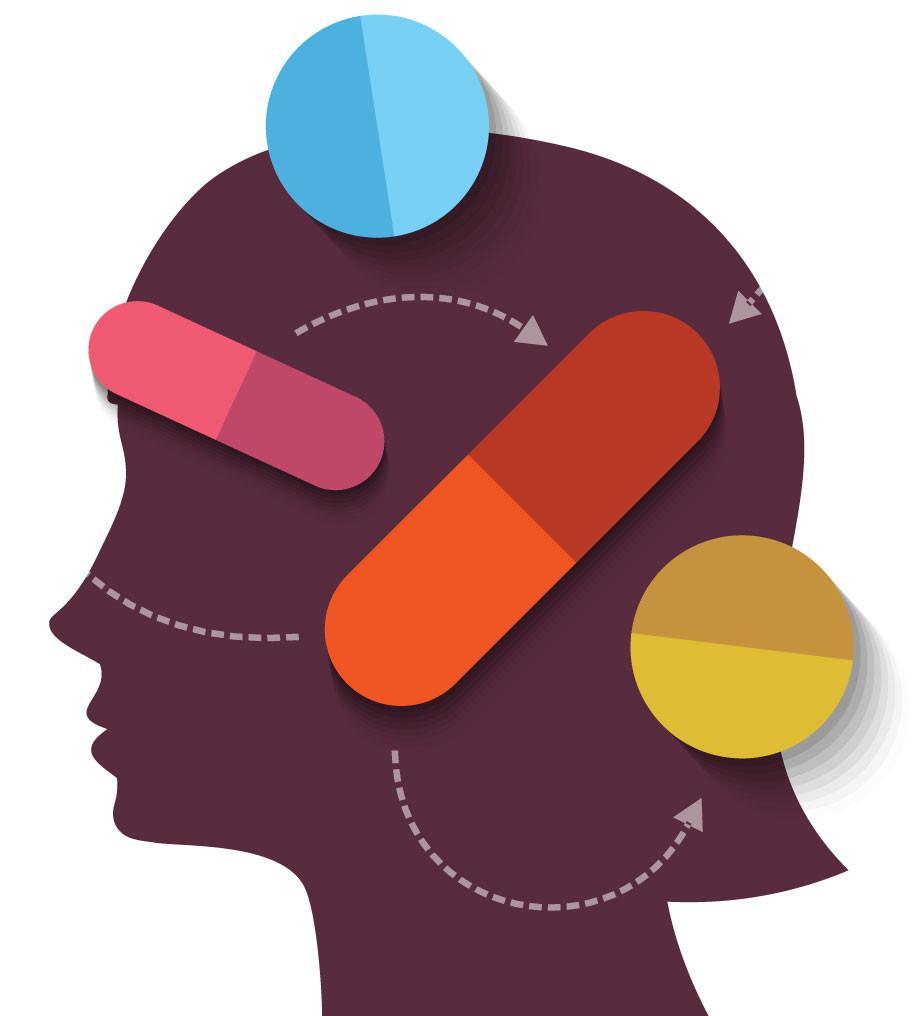
Two types of drugs you may want to avoid for the sake of your brain
Benzodiazepines and drugs with strong anticholinergic effects have been linked to Alzheimer's disease in people who take them. There are alternatives to both types.

Coping with relationship fatigue
Too much time together makes for tense moments. Cutting each other some slack and setting ground rules will help.
There's such a thing as too much togetherness at home, no matter if you're with a romantic partner, an adult child, a grandchild, or a friend. "Because of the pandemic, we're frozen in place with people, but we aren't meant to be in the same space all day long," says Dr. Robert Waldinger, a psychiatrist with Harvard-affiliated Massachusetts General Hospital.
Keeping the peace starts with understanding why you may be getting on each other's nerves. Then you can try following a few rules to get along better.
Oat vs. dairy milk: Nutrition, benefits, and downsides
Microplastics: A hidden health threat?
Healing after food poisoning
What is tempeh? Benefits, nutrition, and how to use it
Light exposure at night may raise risk for heart disease
Whole grains may improve several heart risk factors at once
A lumbar belt may help ease low back pain
Children of centenarians may stay healthier and live longer too, study finds
Signs of pneumonia: Sometimes vague and unexpected
The surprising link between ovarian cancer and the fallopian tubes
Free Healthbeat Signup
Get the latest in health news delivered to your inbox!
Sign Up
