
Reading the current blood pressure guidelines

Oat vs. dairy milk: Nutrition, benefits, and downsides

Microplastics: A hidden health threat?

Healing after food poisoning

What is tempeh? Benefits, nutrition, and how to use it

Light exposure at night may raise risk for heart disease

Whole grains may improve several heart risk factors at once

A lumbar belt may help ease low back pain

Children of centenarians may stay healthier and live longer too, study finds

Signs of pneumonia: Sometimes vague and unexpected
Memory Archive
Articles

Finding a higher meaning
As people age, they are more likely to explore a religious or spiritual practice. Research has found that this type of engagement is linked to longer life and a lower risk of serious health issues. These practices also can offer comfort and support if and when a person needs to navigate difficult times.

The many ways exercise helps your heart
Aerobic and muscle-building exercises can trigger physiological changes that improve blood vessels and metabolism in ways that help prevent all the major risk factors that contribute to heart disease. These include high blood pressure, diabetes, obesity, and unhealthy cholesterol levels. Exercise can also improve mental health problems such as depression and stress, which are common but underrecognized risks for heart disease.
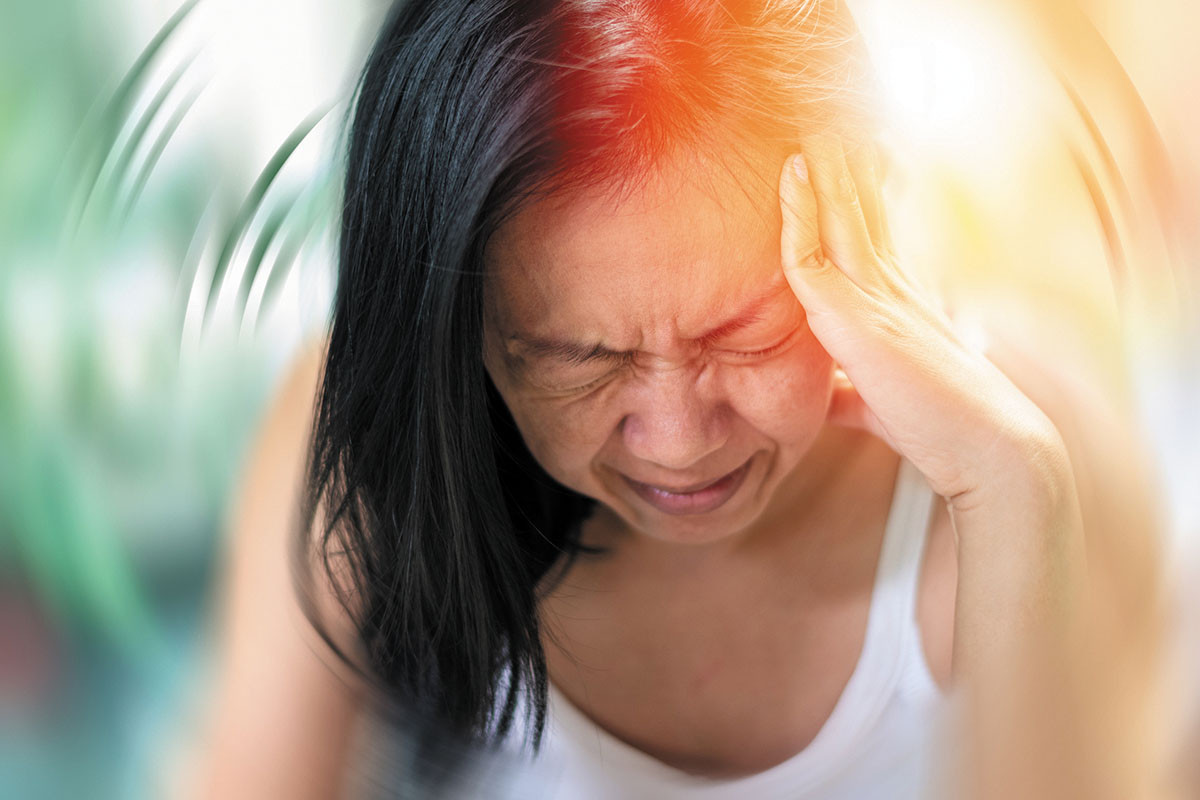
How can I tell if I have a concussion?
Concussions occur when the brain bumps or twists inside the skull after a blow to the head. Signs of concussion include headache, eye pain or fatigue, neck pain or stiffness, imbalance, impaired depth perception, difficulty remembering, or sleep pattern changes.

Engage your heart and brain, even when you're sitting
Sitting too much is bad for health. But there are ways to make time spent seated a little healthier. For example, people can keep their brains active by reading, writing, doing a hobby (such as knitting), or playing an instrument. And people can exercise while in a seated position. It's possible to do an aerobic workout that gets the heart and lungs pumping, such as a seated dance routine or calisthenics, as well as muscle-strengthening activities or stretching exercises.

Walking linked to lower dementia risk
A 2022 study of 78,000 healthy people (ages 40 to 79) who wore fitness trackers found that people who walked about 9,800 steps per day (about five miles) were 51% less likely to develop dementia, compared with people who didn't walk much at all.

Have you done your crossword puzzle today?
A study found that people with mild cognitive impairment who did crossword puzzles regularly showed modest improvement in cognition and less brain shrinkage. Will doing crossword puzzles be helpful to people whose thinking and memory are normal?

Shortage of ADHD medicines: Advice on coping if you are affected
The prescription drug Adderall has been in short supply for months. How widespread is this problem, and what are the consequences, and possible solutions, for adults who rely on this medication to manage ADHD?

Can a multivitamin keep your brain healthy?
A recent study found that older adults who took a multivitamin daily for three years had improved scores on tests of executive function, memory, and overall brain function, but the study wasn't large enough, long enough, or diverse enough to rely on its conclusions alone.
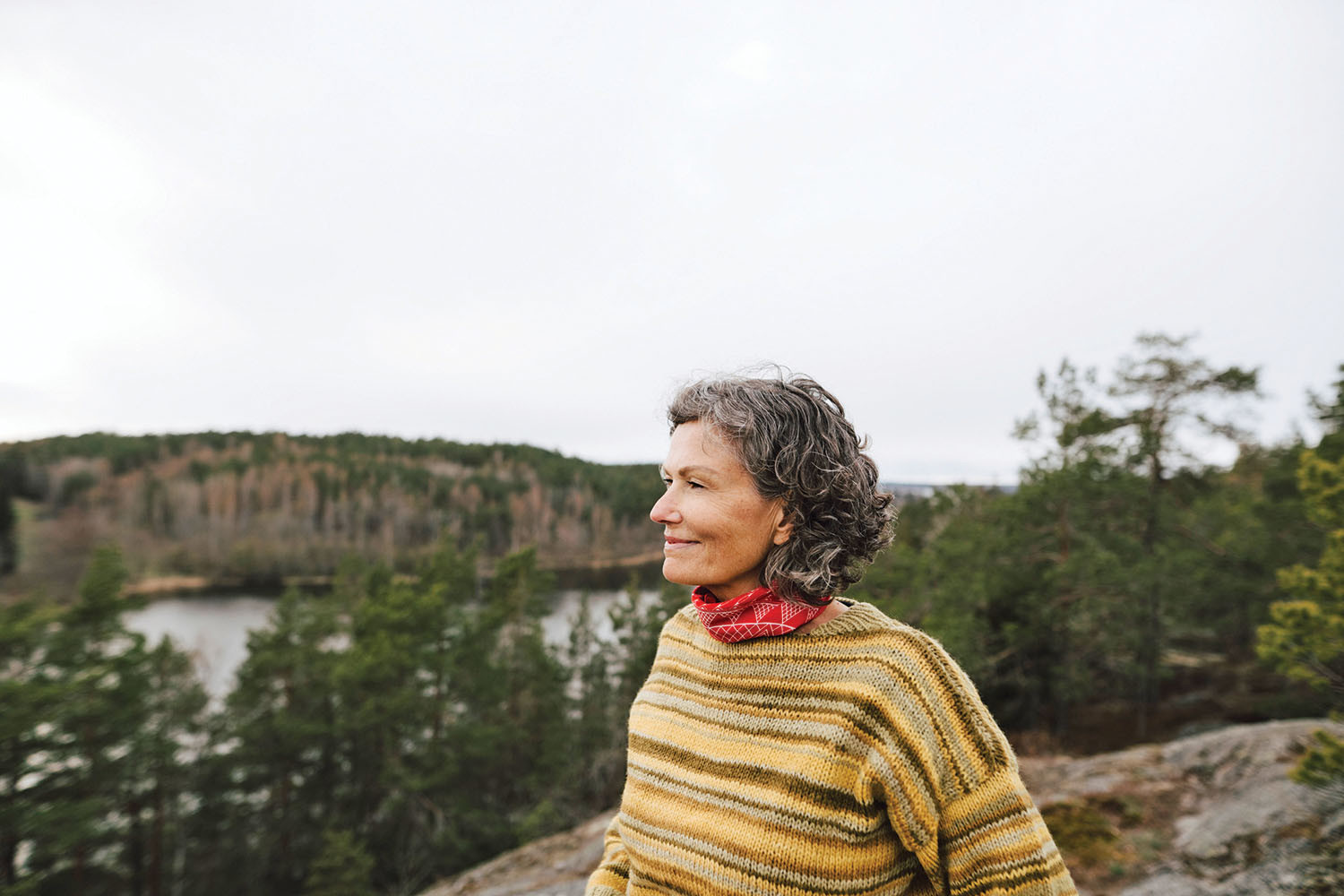
Beyond momentary calm
Mindfulness is the act of paying attention and focusing on the moment. Research has long shown mindfulness can help lower anxiety, but new studies suggest additional benefits. These include feeling less pain, making fewer mistakes, and being more resilient. Many people confuse meditation with mindfulness. Although there is some overlap, meditation is a practice that leads to being more mindful. Both meditation and mindfulness aim to help people stay present and nonjudgmental.

Building a "cognitive reserve" offers brain protection in old age
A 2022 study suggests that following certain healthy habits throughout life can create a "cognitive reserve" that may protect the brain from dementia. People in their 60s and 70s can still build up their reserve by pursuing a combination of brain-stimulating activities.
Reading the current blood pressure guidelines
Oat vs. dairy milk: Nutrition, benefits, and downsides
Microplastics: A hidden health threat?
Healing after food poisoning
What is tempeh? Benefits, nutrition, and how to use it
Light exposure at night may raise risk for heart disease
Whole grains may improve several heart risk factors at once
A lumbar belt may help ease low back pain
Children of centenarians may stay healthier and live longer too, study finds
Signs of pneumonia: Sometimes vague and unexpected
Free Healthbeat Signup
Get the latest in health news delivered to your inbox!
Sign Up
