

Even a little exercise linked with lower stroke risk in people with afib

Testosterone therapy without evidence of deficiency may boost heart risk

Weight-loss drug may lower risk of heart attacks and infections

What to eat on the DASH diet

Migraine: How it's diagnosed and what that means

Tricep workouts you can do at home

Mindfulness practices to reduce stress and improve focus

Antihistamines may not offer meaningful relief from eczema symptoms

Overweight and taking blood pressure medications: Study finds it's a trend that's working

FDA approves first mRNA-based flu vaccine
Medication side effects Archive
Articles

Is acetaminophen safe during pregnancy?
A statement from a group of doctors and scientists raised concerns around taking acetaminophen during pregnancy, but research backing this is based on observational studies and animal studies, so that no firm conclusions can be drawn from it. Here's what to consider if you're pregnant.
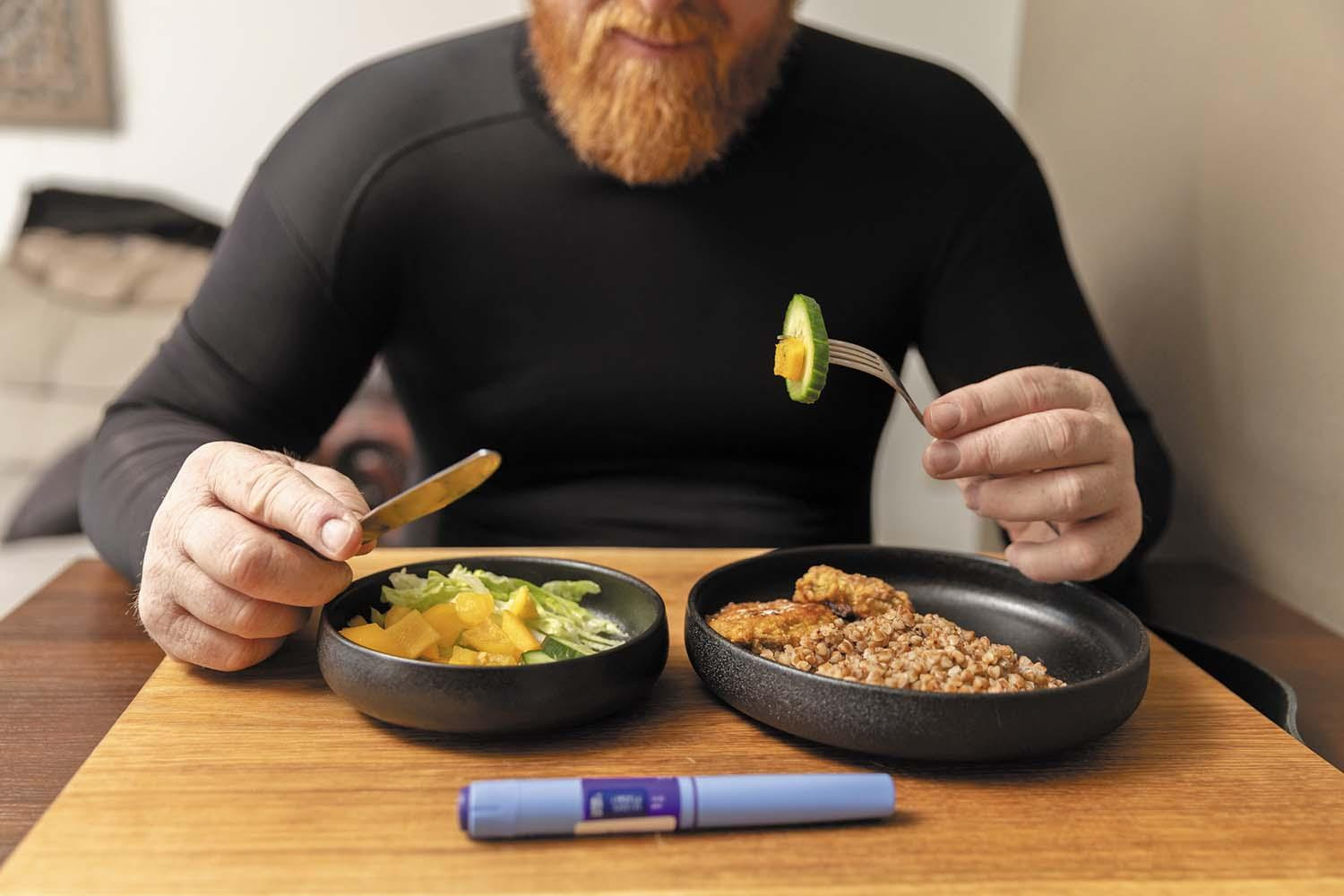
Weight-loss strategies to protect your heart
Obesity is a common, chronic disease that can harm the heart. The powerful weight-loss medications known as GLP-1s, semaglutide (Ozempic, Wegovy) and tirzepatide (Mounjaro, Zepbound), are now recommended as first-line therapy for eligible people, according to the American College of Cardiology. People using these drugs should work with a dietitian or nutritionist who can help them create a personalized eating plan that ensures they're getting enough nutrients while minimizing common side effects.

Peace of mind, or panic?
The vast majority of older adults would want to know if they're in the early stages of Alzheimer's disease and would want a blood test to learn for certain, according to a 2025 poll. Advances in testing and treatment may fuel this desire for knowledge. There are pros and cons to knowing this information. People with an early Alzheimer's diagnosis can plan ahead, seek support, and may feel motivated to maintain their health. But the diagnosis may jeopardize their job or insurance coverage, as well as trigger anxiety or depression.
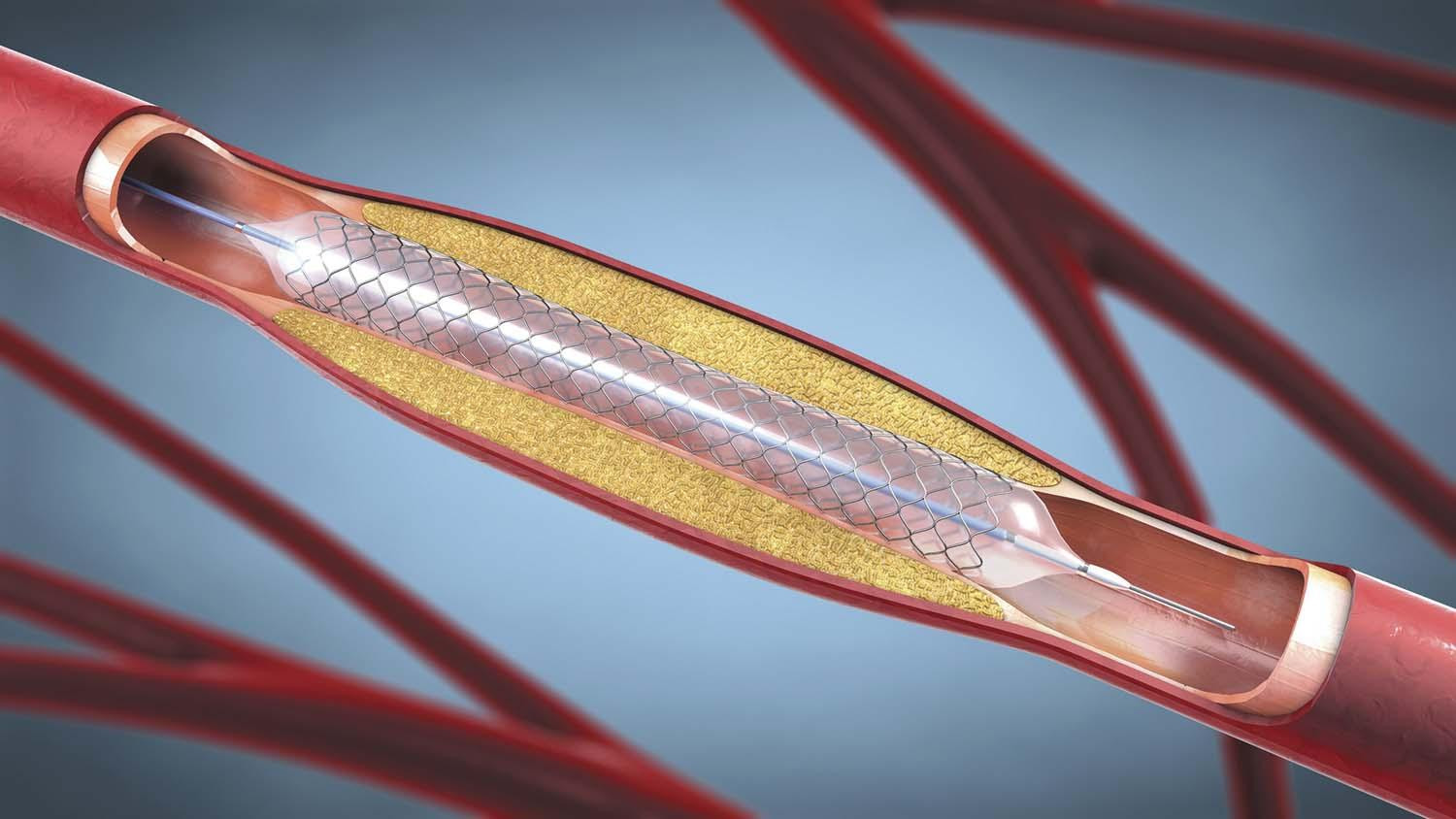
When do you really need an angioplasty and stenting?
Coronary artery disease, the most common form of heart disease, occurs when cholesterol-laden debris narrows the arteries that supply blood to the heart. It is treated with lifestyle changes and medications. However, sometimes people also need a procedure called angioplasty to open a blocked or narrowed artery to improve blood flow to the heart, along with insertion of a stent to hold it open. Most people need this if they experience a heart attack or unstable angina, when chest discomfort occurs repeatedly and unexpectedly, often at rest.
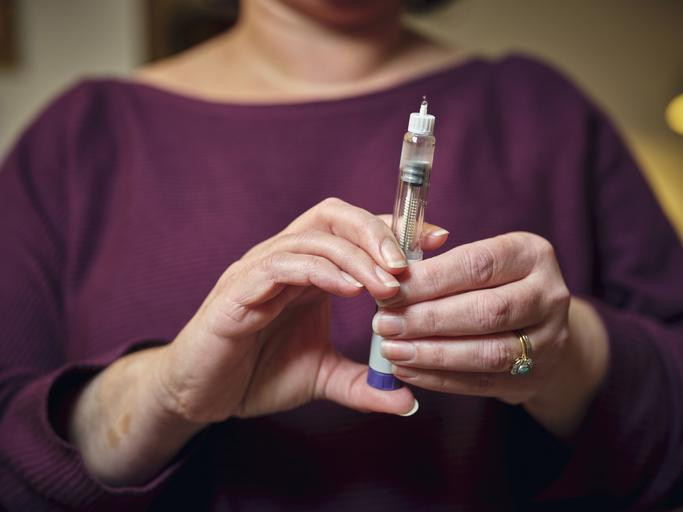
Do GLP-1 drugs reduce inflammation?
In a 2025 study of nearly a million people with diabetes, those who took GLP-1 drugs had a reduction of 10% to 20% in heart failure, cardiac arrest, lung failure and pneumonia, and dementia, compared with people who took other diabetes medications.

Analysis highlights best treatments for neuropathic pain
A 2025 analysis found that tricyclic antidepressants, the anticonvulsants gabapentin (Neurontin) and pregabalin (Lyrica), and serotonin-norepinephrine reuptake inhibitors, such as duloxetine (Cymbalta) were the most effective drug treatments for neuropathic pain.
People with Lp(a) gene variant may benefit from daily aspirin
An inexpensive blood test that checks for a genetic variant of Lp(a)-a fatty particle similar to LDL cholesterol-may help clarify who might benefit from a daily low-dose aspirin, according to a 2025 review of study findings.

Why do I feel more clumsy with age?
As people get older, they may get clumsier because of multiple factors such as declining hearing and vision, loss of muscle, balance issues, and chronic health conditions. Addressing these issues can help people avoid injury from falls and other accidents.

A look at nail problems
Toenail fungus, ingrown toenails, and brittle or cracked fingernails are common nail problems that affect older adults. They can make hands and feet unsightly and sometimes even painful. Treating these problems and preventing them from returning often takes a trial-and-error approach, diligence, and patience. Strategies include a combination of home remedies, over-the-counter medication, and good hygiene and grooming habits.
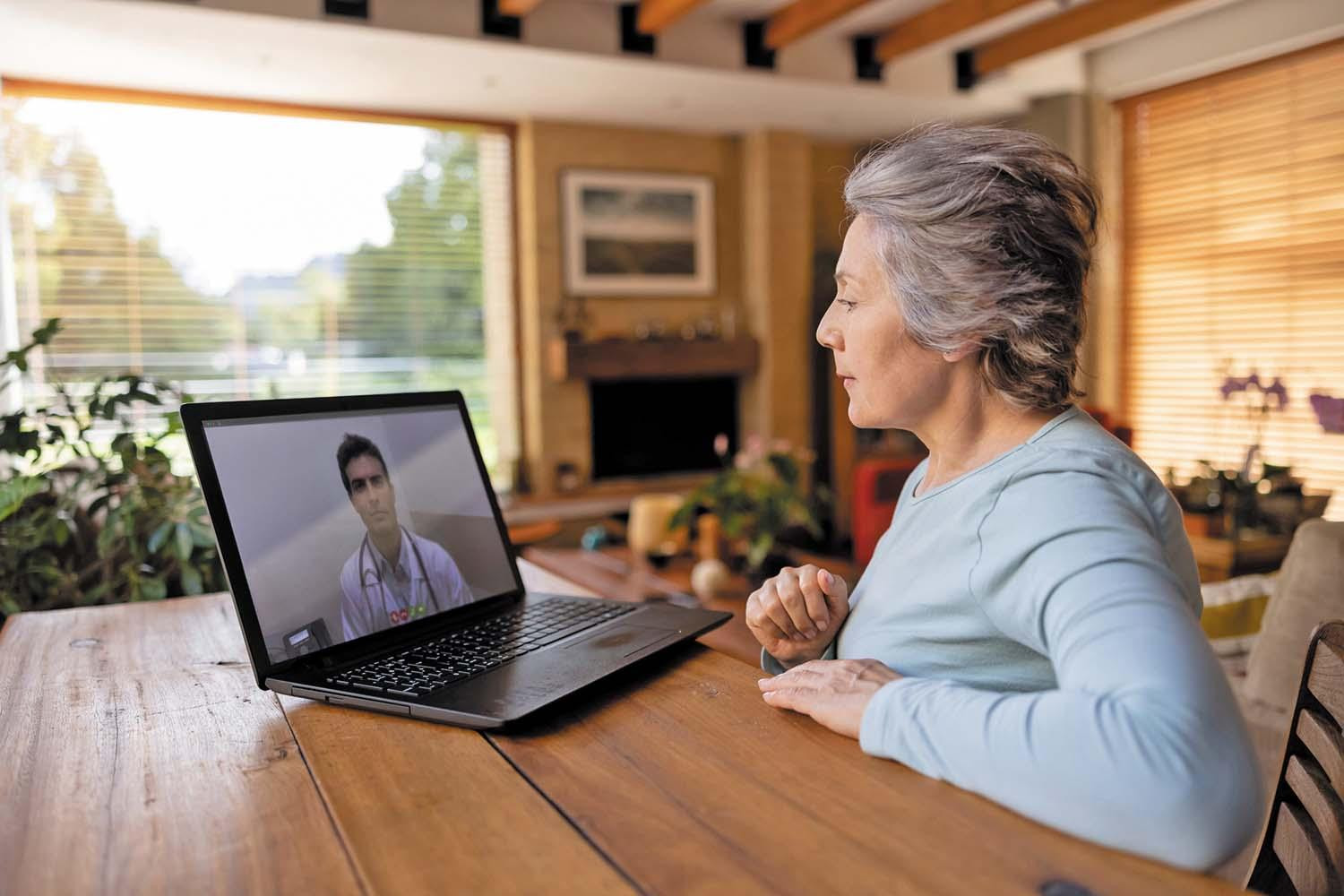
Heart disease and depression: A two way street
A heart disease diagnosis may trigger a bout of depression. But having depression can also leave people more vulnerable to heart disease. Some of the overlap stems from shared lifestyle factors, such as inactivity and an unhealthy diet. In addition to addressing those issues, other safe and effective ways to ease depression include working with a therapist, using a light box, and taking medications.
Even a little exercise linked with lower stroke risk in people with afib
Testosterone therapy without evidence of deficiency may boost heart risk
Weight-loss drug may lower risk of heart attacks and infections
What to eat on the DASH diet
Migraine: How it's diagnosed and what that means
Tricep workouts you can do at home
Mindfulness practices to reduce stress and improve focus
Antihistamines may not offer meaningful relief from eczema symptoms
Overweight and taking blood pressure medications: Study finds it's a trend that's working
FDA approves first mRNA-based flu vaccine
Free Healthbeat Signup
Get the latest in health news delivered to your inbox!
Sign Up
