

Even a little exercise linked with lower stroke risk in people with afib

Testosterone therapy without evidence of deficiency may boost heart risk

Weight-loss drug may lower risk of heart attacks and infections

What to eat on the DASH diet

Migraine: How it's diagnosed and what that means

Tricep workouts you can do at home

Mindfulness practices to reduce stress and improve focus

Antihistamines may not offer meaningful relief from eczema symptoms

Overweight and taking blood pressure medications: Study finds it's a trend that's working

FDA approves first mRNA-based flu vaccine
Medication side effects Archive
Articles

New thinking on beta blocker use
Beta blockers have long been standard treatment for people after a heart attack. New evidence suggests they may not help those whose hearts still pump normally, though the drugs remain important for heart attack survivors with reduced ejection fraction.

Caution: Sprinkle this savory seasoning with care
Nutritional yeast is a savory condiment that's often heavily fortified with vitamins. Because high doses may cause side effects, interact with some medications, or cause certain health problems, it's best used sparingly as a flavoring, not as a supplement.
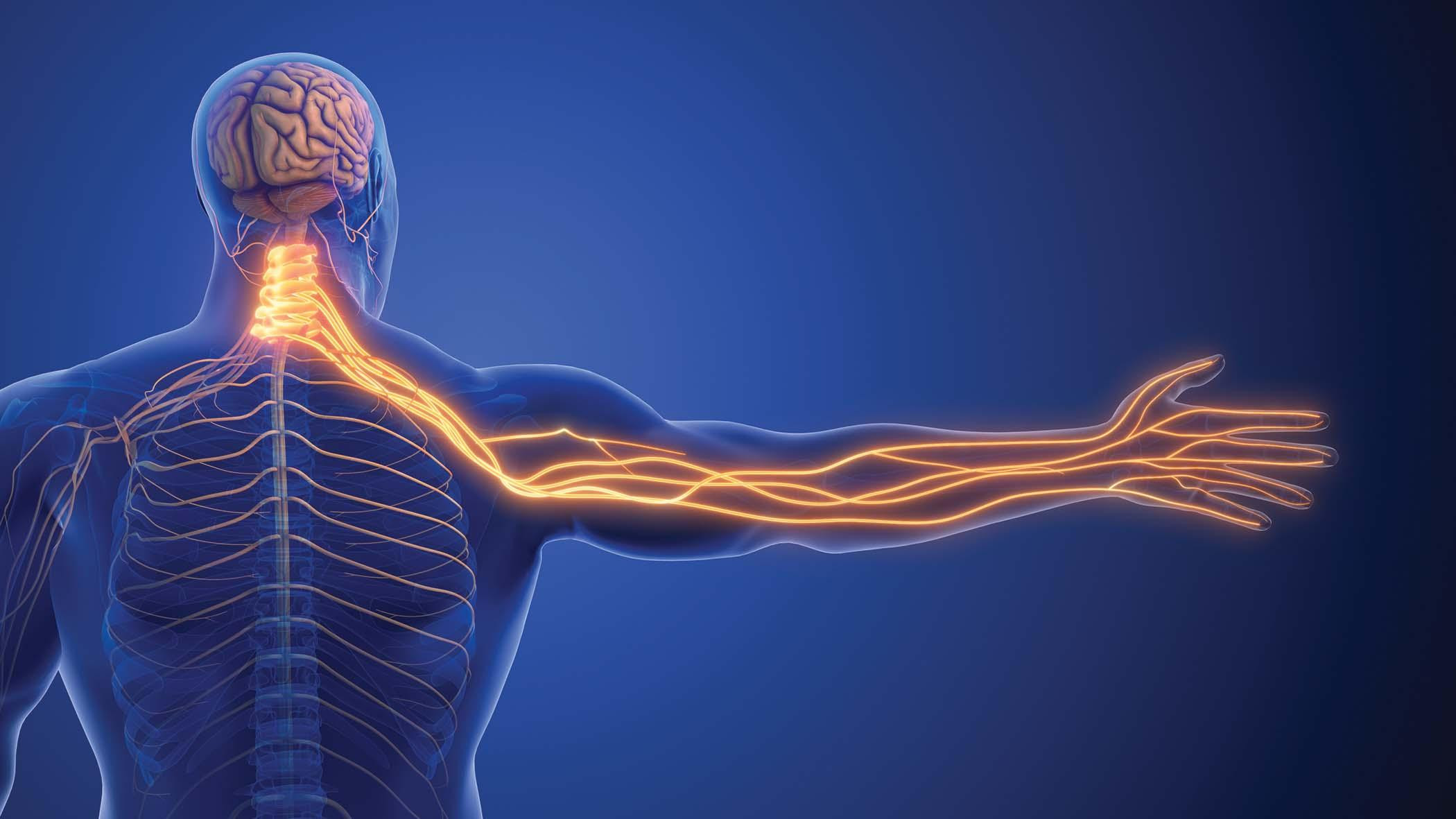
Punch back against pinched nerves
A pinched nerve occurs when something compresses or irritates a nerve. This can cause pain, tingling, or weakness in areas like the neck, back, or wrist. Rest and home remedies can help, but physical therapy and medication are sometimes needed.

Can men hold off on treating recurring prostate cancer?
What happens if PSA levels start rising after surgery or radiation for prostate cancer? Sometimes men live the rest of their lives with a rising PSA without ever developing metastases. Now, an ultra-sensitive scanning technology is raising new questions about biochemical recurrence and how to manage it.



Updated risk calculator recommends less low-dose aspirin use
A 2025 analysis suggests that far fewer people are considered candidates for low-dose aspirin to prevent heart disease with the updated PREVENT risk calculator compared with the older risk calculator.

The incontinence tool kit
Several tools can help people with incontinence stay dry and comfortable. Tools can include medications; basic supplies, such as protection pads, leakproof underwear, adaptive clothing, and portable urinals; bedwetting alarms; and bathroom locator apps. Some of the most important tools aren't pills or gadgets, but strategies-such as controlling underlying conditions that can lead to incontinence (such as diabetes), weight loss, lifestyle or behavioral changes, and pelvic floor training.

Can eye drops restore your close-up vision?
Prescription eye drops, such as pilocarpine hydrochloride (Vuity, Qlosi) and aceclidine (VIZZ), can ease blurry close-up vision that occurs in middle and older age. The eye drops temporarily shrink the eye's pupil, which focuses light and makes near vision sharper. The eye drops are considered generally safe to use daily or occasionally, depending on preference. However, they can have side effects, such as dim vision and headaches. In rare cases, they might cause retinal problems.

How cognitive behavioral therapy can help men
Men who could benefit from therapy often resist it because it carries a negative stigma for them and they feel uncomfortable about seeking help. For these individuals, cognitive behavioral therapy (CBT) may be an option. Many men find CBT appealing because it is short-term, structured, and focused on current issues. CBT is regularly used to treat depression and anxiety disorders, but it can help with managing other common ailments, such as insomnia, chronic pain, irritable bowel syndrome, chronic fatigue syndrome, fibromyalgia, and migraines.
Even a little exercise linked with lower stroke risk in people with afib
Testosterone therapy without evidence of deficiency may boost heart risk
Weight-loss drug may lower risk of heart attacks and infections
What to eat on the DASH diet
Migraine: How it's diagnosed and what that means
Tricep workouts you can do at home
Mindfulness practices to reduce stress and improve focus
Antihistamines may not offer meaningful relief from eczema symptoms
Overweight and taking blood pressure medications: Study finds it's a trend that's working
FDA approves first mRNA-based flu vaccine
Free Healthbeat Signup
Get the latest in health news delivered to your inbox!
Sign Up
