
Trying to lose weight? Be careful not to lose muscle
Is your skin problem actually an autoimmune condition?
People with diabetes face higher risk of hearing loss

Antibiotic-free fixes for recurrent UTIs

Musculoskeletal syndrome of menopause: When menopause makes you ache all over

When can older women stop getting mammograms?

To lose weight, especially harmful belly fat, combine diet and exercise

Can men hold off on treating recurring prostate cancer?

The 7 types of rest and why we need them all

What are the early warning signs of cervical cancer?
Lung Health Archive
Articles
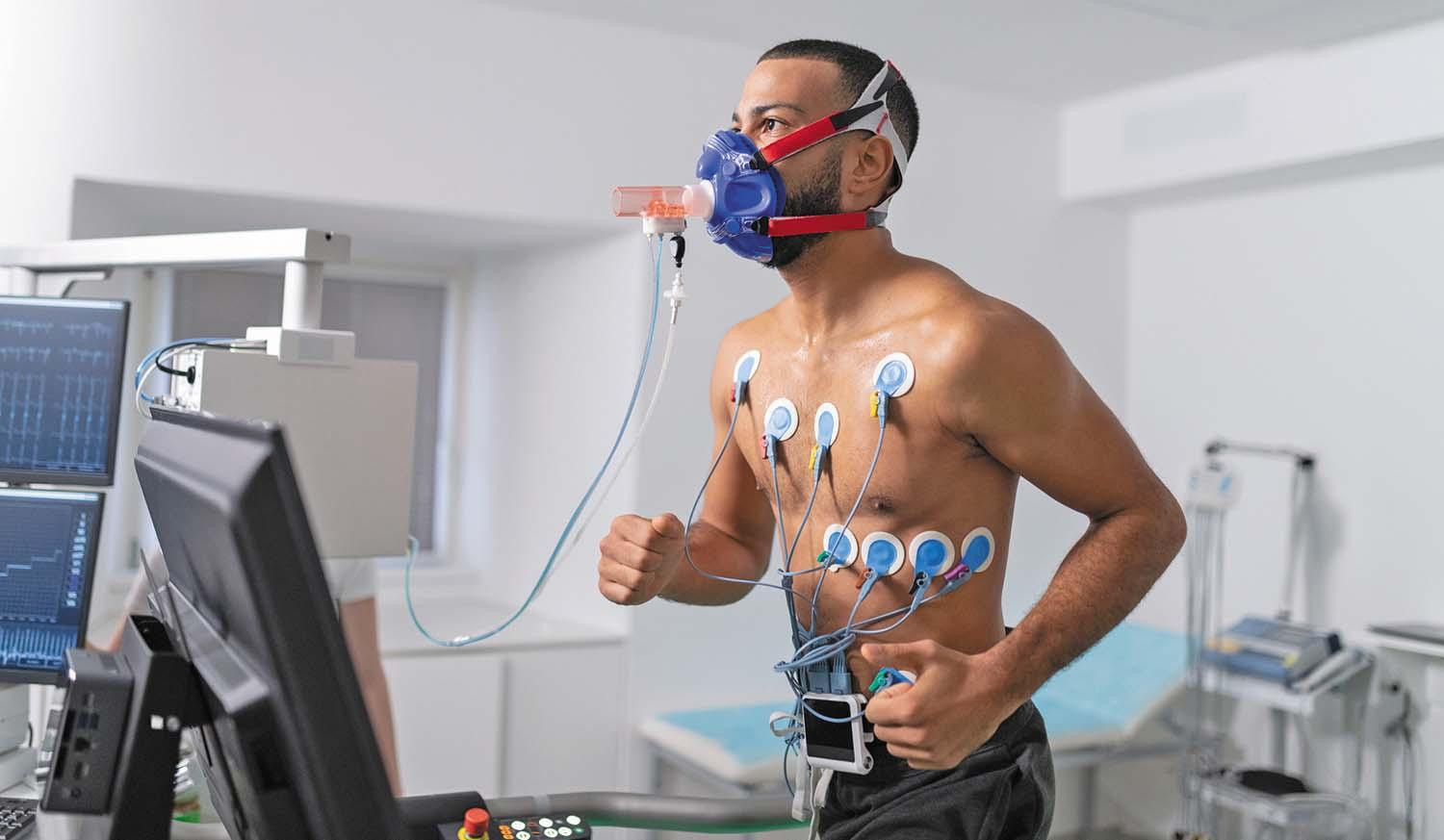
VO2 max: What it is and how you can improve it
VO2 max is a way to gauge how efficiently the body uses oxygen during exercise, offering a window into fitness and long-term health. People can usually improve it over time with consistent aerobic activity, intervals, and smart training changes.


Respiratory syncytial virus (RSV) tied to heart problems
A 2025 study suggests that respiratory syncytial virus (RSV) can lead to heart-related complications, such as a heart attack, chronic heart failure, or an irregular heartbeat—even in people without a previous heart condition.

Lessons from women on longevity
Women live longer than men. However, that longevity gap in the United States has increased to 5.8 years, the largest gap since 1996, according to a 2024 study. Why the widening gap? Researchers believe that in many cases, women are better than men at addressing certain health needs that contribute to longer lives, such as losing excess weight, quitting smoking, getting regular skin check-ups, and not ignoring mental health issues.
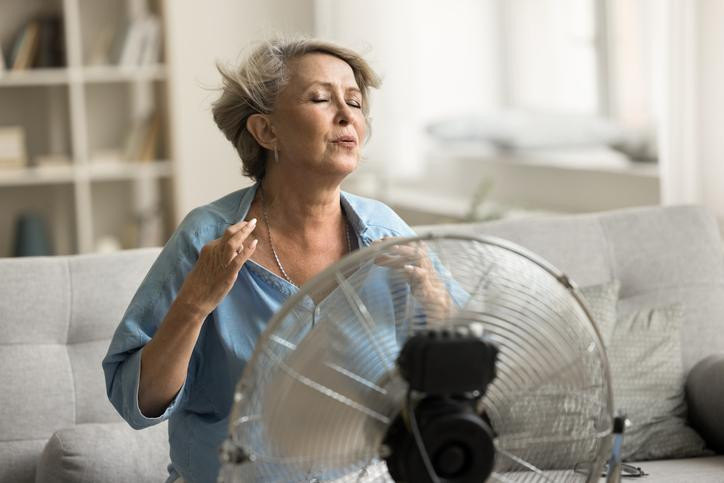
Extreme heat endangers older adults: What to know and do
The surge in heat waves and extreme heat poses serious health risks for everyone but is a particular worry for older adults. What can you do to manage heat-related risks, especially if you have existing health conditions or take certain medications?

Do you know about these summer breathing hazards?
In the summertime, one of the chief contributors to symptom flares of lung problems is hot air, especially if it’s also humid, stagnant, or very dry. Such weather might narrow the airways, making it much harder to breathe normally. This might occur because hot air irritates the nerves, widens blood vessels near the lungs, or causes people to breathe faster. To avoid breathing difficulty, doctors advise people with lung disease to follow strategies such as keeping their inhalers handy and staying in air-conditioned spaces.

Wildfires: How to cope when smoke affects air quality and health
Wildfire smoke contributes greatly to poor air quality, and as wildfires become more frequent due to climate change and drier conditions, more of us and more of our communities are at risk for health harms. Here are ways to cope.

Prepare now for your health needs in the future
If possible, everyone should prepare for the possibility of needing support services or long-term care in older age, even if it’s not yet needed. Ways to prepare include designating a health care proxy and power of attorney; writing advance directives for health care preferences; investigating potential housing options (such as assisted living facilities) and support services (such as a health aide) well in advance; downsizing belongings, including one’s home; and meeting with a financial planner to figure out how to tackle caregiving expenses.
Trying to lose weight? Be careful not to lose muscle
Is your skin problem actually an autoimmune condition?
People with diabetes face higher risk of hearing loss
Antibiotic-free fixes for recurrent UTIs
Musculoskeletal syndrome of menopause: When menopause makes you ache all over
When can older women stop getting mammograms?
To lose weight, especially harmful belly fat, combine diet and exercise
Can men hold off on treating recurring prostate cancer?
The 7 types of rest and why we need them all
What are the early warning signs of cervical cancer?
Free Healthbeat Signup
Get the latest in health news delivered to your inbox!
Sign Up