

CoQ10: Should you take this popular supplement if you're on a statin?

Oat vs. dairy milk: Nutrition, benefits, and downsides

Microplastics: A hidden health threat?

Healing after food poisoning

What is tempeh? Benefits, nutrition, and how to use it

Light exposure at night may raise risk for heart disease

Whole grains may improve several heart risk factors at once

A lumbar belt may help ease low back pain

Children of centenarians may stay healthier and live longer too, study finds

Signs of pneumonia: Sometimes vague and unexpected
Independent Living Archive
Articles

Simple math equals easy weight loss
The pleasure of eating a candy bar lasts but a few minutes. Burning off the calories it delivers can take nearly an hour. So this is definitely not a simple way to lose weight!
To lose one pound by exercising, you need to burn approximately 3,500 calories. It can take days of moderate exercise to do this. A better strategy for weight loss involves a two-pronged approach: exercising and cutting calories.

The right plant-based diet for you
Most plant-based diets emphasize foods associated with heart benefits. However, some plant foods, such as fruit juices, refined grains, processed cereals, and potatoes, can be harmful. The goal is to emphasize heart-healthy plants.
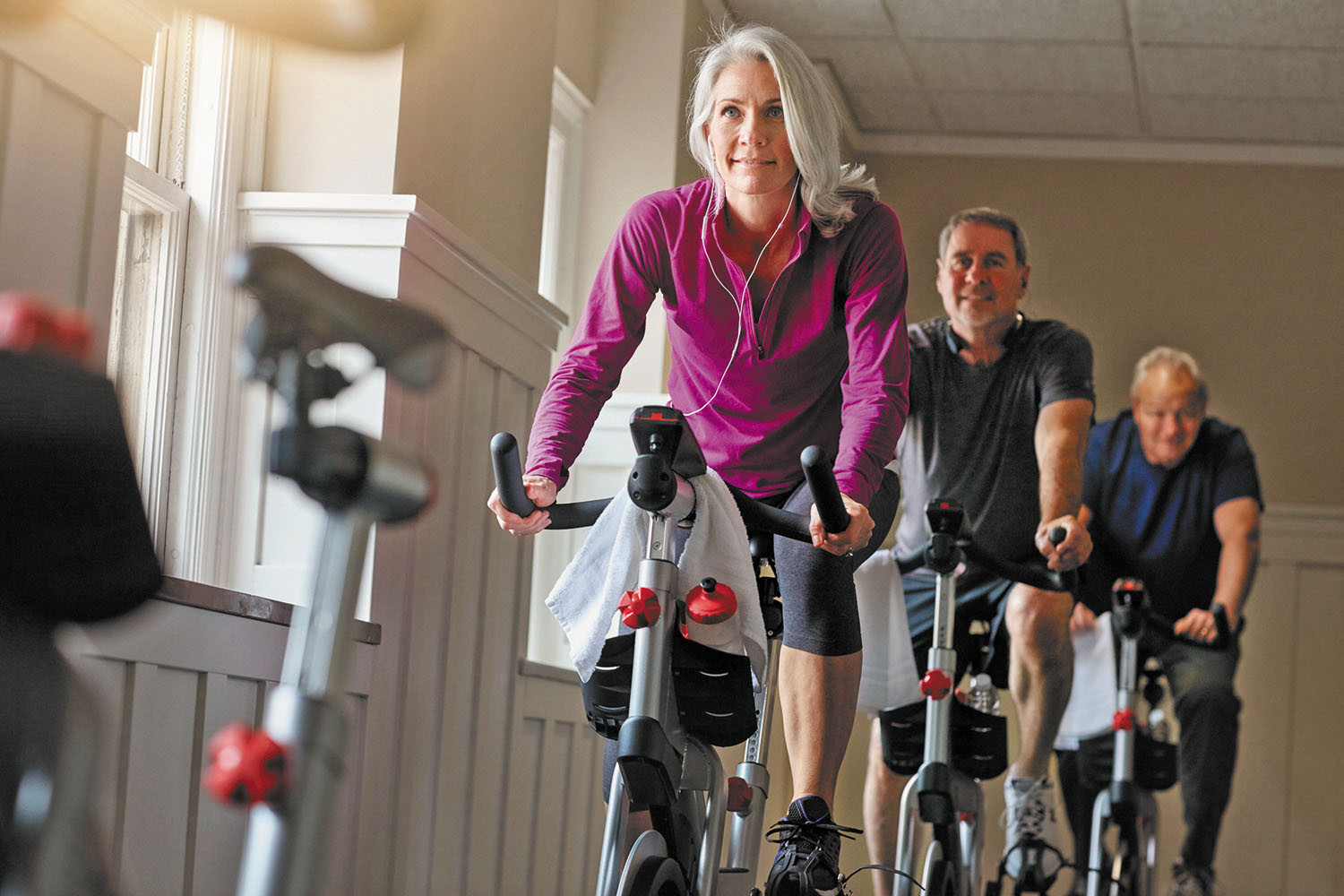
Staving off dementia when you have mild cognitive impairment
The shift from this condition to dementia is not necessarily inevitable.
Image: © gradyreese/Getty Images
Will I get dementia? That common question takes on urgency if you have mild cognitive impairment (MCI), a slight but noticeable change in memory and thinking skills. But the progression from MCI to dementia is not automatic. In fact, MCI is not always permanent. "It depends on the underlying cause," says Dr. Joel Salinas, a neurologist at Harvard-affiliated Massachusetts General Hospital.
What are the causes of MCI?
MCI is not dementia (see "What is dementia?"), but it's not normal thinking, either. It often stems from disease or treatments for disease, including

Small tricks to help you shed pounds and keep them off
Weight loss can be challenging, but there are some strategies for success.
Image: © Wand_Prapan/Getty Images
If you're struggling to lose weight, you probably feel like the odds are stacked against you. You're not necessarily wrong.
"There is so much great-tasting food, and it's abundant and in your face all the time. To me it's kind of a miracle that people aren't even heavier than they are," says Dr. Meir Stampfer, a professor of epidemiology and nutrition at the Harvard T.H. Chan School of Public Health. In addition to an abundance of food, most people today also have a far more sedentary lifestyle than past generations. "Even active people who exercise a lot aren't expending the calories their ancestors did," says Dr. Stampfer.

How long should I wait after the flu before resuming exercise?
On call
Q. I have just recovered from the flu. How soon can I resume exercise again and can I go straight back to my previous routine?
A. The recommendations about when to return to exercise after respiratory infections, such as the flu, colds, or bronchitis, are vague. One major reason is that each person's response to illness is so variable. But here is my general advice.


Beyond fractures: The fall injuries you don’t always hear about
Falls can lead to pneumonia, brain injuries, or muscle breakdown. Learn the risks so you can avoid them.
It's easy to see why falls are a top cause of injury and death among older adults. Crashing to the ground with force obviously can break a bone, or worse. But are you familiar with that "worse" part? Learn about fall risks now, so you can do as much as possible to avoid injuries in the future and maintain your mobility and independence.
Fractures
In older adults, about 90% of broken bones (fractures) happen because of a fall. Breaks commonly occur in the ribs, spine, wrist, arm, ankle, or hip.

What are mRNA vaccines?
Ask the doctor
Q. What are mRNA vaccines, and could they prevent other diseases besides infections?
A. The very first vaccines approved in the United States to prevent COVID-19 are a new type: mRNA vaccines. The way any type of vaccine works is to train a person's immune system to recognize and attack a target, like a virus, when it enters the body. A vaccine does that by "showing" the immune system either a harmless (dead or weakened) virus or a critical piece of the virus' protein coat. With the COVID-19 virus, that critical piece is called the spike protein.

Caregiving during the pandemic
Here's what to ask when email and phone calls are the main way to help loved ones in a long-term care facility.
Managing a loved one's care in a nursing home or an assisted living facility has always been challenging. And it's harder now that visitation is extremely limited to protect residents from COVID-19. So how can you check on your loved ones, make sure they're being cared for properly, and let them know you're there for them?
Direct communication
If your loved one is able to communicate well, a daily phone or video call is crucial. But remember that when you ask basic questions — "How are you feeling?" "Are you eating and drinking enough?" "Are you getting enough sleep?" — you may not get an honest answer. "They may just tell you what you want to hear," says Dr. Suzanne Salamon, associate chief of gerontology at Harvard-affiliated Beth Israel Deaconess Medical Center.

Resistance training by the numbers
How much weight, how many reps and sets, and how often? Here's what new guidelines suggest.
Old-fashioned resistance training — lifting heavy weights multiple times — is the best way for men to slow and even reverse age-related muscle loss, known as sarcopenia. It can also increase your strength, protect against falls, and help you live a more independent life.
Resistance training (also known as strength training) consists of doing upper- and lower-body exercises using free weights (like dumbbells, kettlebells, or barbells), weight machines, resistance bands, or just your own body weight.
CoQ10: Should you take this popular supplement if you're on a statin?
Oat vs. dairy milk: Nutrition, benefits, and downsides
Microplastics: A hidden health threat?
Healing after food poisoning
What is tempeh? Benefits, nutrition, and how to use it
Light exposure at night may raise risk for heart disease
Whole grains may improve several heart risk factors at once
A lumbar belt may help ease low back pain
Children of centenarians may stay healthier and live longer too, study finds
Signs of pneumonia: Sometimes vague and unexpected
Free Healthbeat Signup
Get the latest in health news delivered to your inbox!
Sign Up
