

CoQ10: Should you take this popular supplement if you're on a statin?

Oat vs. dairy milk: Nutrition, benefits, and downsides

Microplastics: A hidden health threat?

Healing after food poisoning

What is tempeh? Benefits, nutrition, and how to use it

Light exposure at night may raise risk for heart disease

Whole grains may improve several heart risk factors at once

A lumbar belt may help ease low back pain

Children of centenarians may stay healthier and live longer too, study finds

Signs of pneumonia: Sometimes vague and unexpected
Independent Living Archive
Articles

Study finds similar outcomes for two different weight-loss procedures

Bounce back from injury
Exercise and recreational balls can play an important role in recovery and pain reduction.
A golf ball to ease foot pain? A kids' playground ball to recover from a knee injury? The combinations may sound foreign, but they're familiar approaches in the world of physical therapy. Here's how these tools of the trade (and the toy box) can help you.
A playground ball
This is the kind of inexpensive rubber or plastic ball (less than $10) you'll find at a grocery or big-box store. It's about the size of a soccer ball, but lighter. "We commonly use that type of ball for knee rehabilitation. We'll have someone do mini squats against the wall with the ball between the knees. Squeezing the ball strengthens the quadriceps muscles," explains Clare Safran-Norton, clinical supervisor of rehabilitation services at Harvard-affiliated Brigham and Women's Hospital.

Control high blood pressure to protect memory and thinking skills
News briefs
Here's more incentive to keep your blood pressure under control: a large study published online Dec. 14, 2020, by the journal Hypertension suggests that high blood pressure hastens decline in cognitive abilities (thinking skills). Researchers analyzed two health assessments, taken about four years apart, of more than 7,000 middle-aged and older people in Brazil. The assessments noted changes in a number of cognitive skills, such as memory, language, and concentration. Regardless of age, people with high blood pressure had faster declines in cognitive performance, compared with people who had normal blood pressure. The researchers classified blood pressure as high if the top number was 130 or higher and the bottom number was 80 or higher. But even people with a top number between 120 and 130 experienced faster cognitive decline than people with normal blood pressure. The silver lining: the researchers found that treating high blood pressure at any age appeared to reduce or prevent accelerated cognitive decline. High blood pressure can be controlled with medications as well as pill-free approaches, such as losing weight, exercising, eating a heart-healthy diet, reducing alcohol intake, managing stress, and quitting smoking.
Image: © BananaStock/Getty Images

Understanding "blood thinners"
These drugs actually help stop dangerous blood clots from forming. Here's when you may need them.
Nearly everyone has heard of "blood thinners." Maybe you or someone you know takes one. But these drugs don't "thin" blood at all.
"They are actually anti-clotting drugs," says Dr. Gregory Piazza, a cardiologist with Harvard-affiliated Brigham and Women's Hospital. "They prevent potentially dangerous blood clots from developing in people at high risk, like those who have atrial fibrillation or a stent in a blood vessel, or who are immobile after surgery."
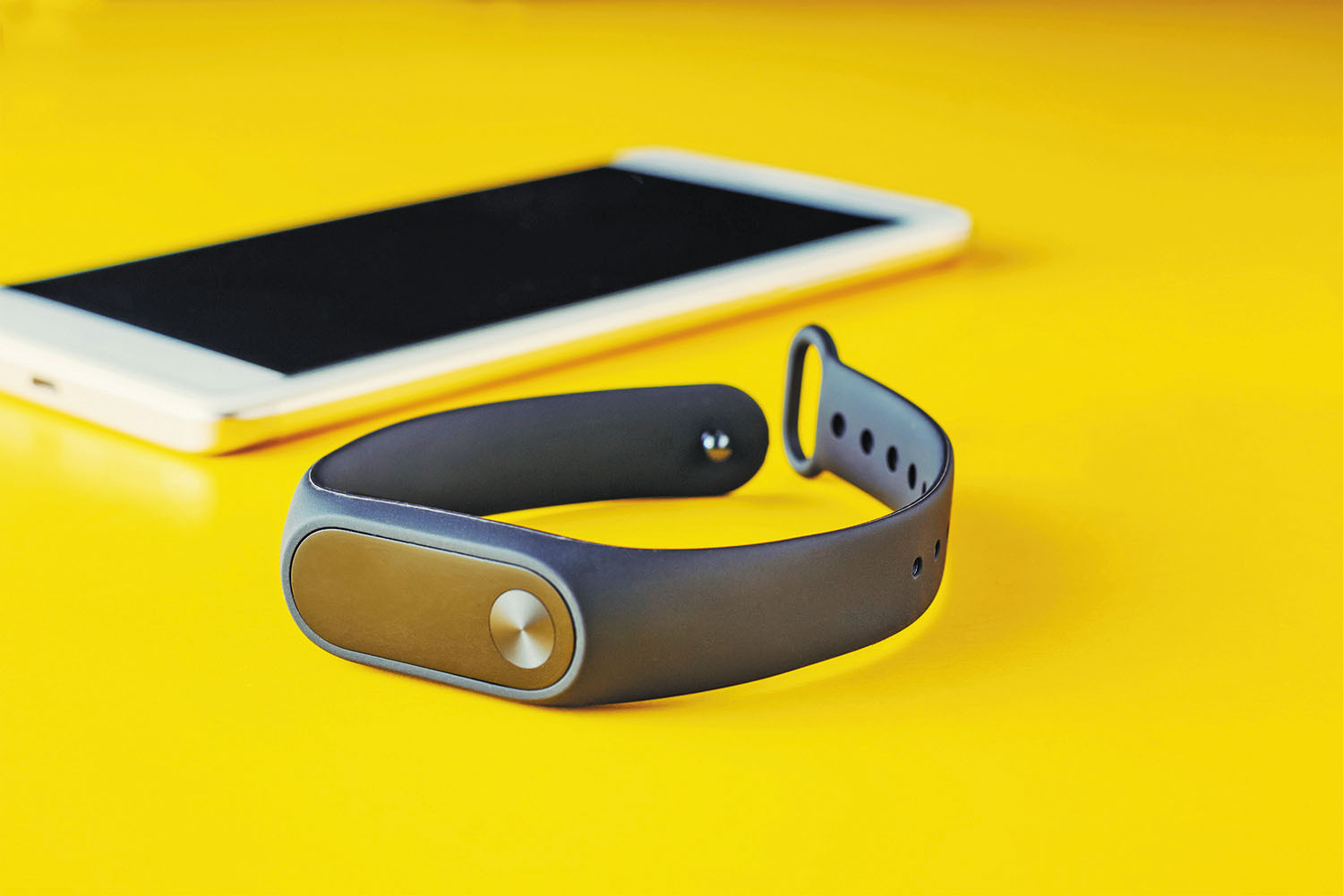
Can a tracker or smartphone app help you move more?
News briefs
Wearable activity or fitness trackers and smartphone apps are helpful for goal setting and measuring how many steps you take or how much time you spend exercising. But do they motivate you to become more active? Probably a little, finds a review of randomized controlled trials published online Dec. 21, 2020, by the British Journal of Sports Medicine. Researchers combed through 28 studies that included a total of more than 7,400 adults (ages 18 to 65) who used fitness trackers or apps for an average of three months. Compared with people who did not use the devices, people who did increased their activity by 1,850 steps per day. Apps and trackers that included prompts and cues to stay active appeared to be most effective. If your smartphone doesn't already have a built-in basic fitness tracker that counts your steps and calories burned, you can find an app that does. Some are free. Fancy tracking devices, with all the bells and whistles, including heart rate monitors and cellphone capability, cost as much as $1,300. But even the simplest ones help remind you to move.
Image: © azy_Bear/Getty Images

The highs and lows of medical cannabis
It's more accessible than ever before, but is it the right medicine for you?
Medical marijuana — also referred to as medical cannabis — has enjoyed a boom in recent years. More states have legalized it, more products are available, and more people have turned to it for help, especially older adults.
A study in the April 2020 JAMA Internal Medicine found that the number of adults ages 65 and older using medical cannabis increased from 2.4% to 4.2% between 2015 and 2018.

Am I too young for a knee replacement?
Ask the doctors
Q. I'm in my early 50s and am considering a knee replacement for severe arthritis. I've heard that doctors typically encourage people to wait until after age 60 to perform this procedure. Should I wait to have the surgery?
A. Doctors do sometimes recommend that people under age 60 wait to undergo a knee replacement procedure, because these artificial joints typically last only about 15 to 20 years. If someone younger gets the procedure, it's likely that the joint will need to be replaced again down the line. That said, the decision to have a joint replacement really depends more on your individual circumstances, such as how much pain you have, whether the problem is causing you significant disability, and your overall health, not just how old you are. Some people can safely wait until they are 60 to undergo the procedure without a problem. For others, waiting too long to have the knee replaced might not be advised. For example, if the knee joint deteriorates too much, that may make the surgery to replace it more challenging. Over all, most people (80% to 90%) who do opt for a knee replacement are happy with the results of the procedure, but it's best to discuss the pros and cons with your doctor.

Sorting falsehoods from facts
Inaccurate health information is pervasive. Here's how to find out if what you're reading is true.
From conspiracy theories about COVID-19 to unsubstantiated or even dangerous product claims, false health information is everywhere these days. This includes both misinformation (incorrect statements spread by someone who essentially doesn't know better) and disinformation (false information being spread deliberately by a bad actor to promote an agenda).
"Health misinformation and disinformation have always been with us. It's nothing new," says Kasisomayajula Viswanath, Lee Kum Kee professor of health communication at the Harvard T.H. Chan School of Public Health. "We had snake-oil salesmen when advertising began. But what's different this time around is the scale." Both mass media and social media are allowing bad information to reach large swaths of people quickly, making it difficult for many people to differentiate the good from the bad.

Ten churnings
The yoga routine "ten churnings" can be done on its own to help you get moving in the morning or to counteract stiffness after sitting for too long. In about six minutes, the routine can loosen up your joints and serve as a warm-up to a longer exercise session. To learn additional intermediate yoga exercises, visit: www.health.harvard.edu/iy
CoQ10: Should you take this popular supplement if you're on a statin?
Oat vs. dairy milk: Nutrition, benefits, and downsides
Microplastics: A hidden health threat?
Healing after food poisoning
What is tempeh? Benefits, nutrition, and how to use it
Light exposure at night may raise risk for heart disease
Whole grains may improve several heart risk factors at once
A lumbar belt may help ease low back pain
Children of centenarians may stay healthier and live longer too, study finds
Signs of pneumonia: Sometimes vague and unexpected
Free Healthbeat Signup
Get the latest in health news delivered to your inbox!
Sign Up
