

Fatty liver disease: Should you be tested?

Even a little exercise linked with lower stroke risk in people with afib

Testosterone therapy without evidence of deficiency may boost heart risk

Weight-loss drug may lower risk of heart attacks and infections

Migraine: How it's diagnosed and what that means

Tricep workouts you can do at home

Mindfulness practices to reduce stress and improve focus

Antihistamines may not offer meaningful relief from eczema symptoms

Overweight and taking blood pressure medications: Study finds it's a trend that's working

FDA approves first mRNA-based flu vaccine
Immune and infectious diseases Archive
Articles


Flu vaccine offers benefits to patients with heart failure
New research found that heart failure patients who had a flu shot had a 30% lower risk of hospitalization for cardiovascular disease, 16% lower risk of hospitalization for respiratory infections, and a 4% lower risk of hospitalization in general.




“Superbugs” and the very real threat of untreatable infections
Doctors recently discovered a gene in E. coli bacteria that makes it resistant to an antibiotic that is typically used when other drugs fail. This new finding suggests that effectiveness of last-resort antibiotics is at risk. As more bacteria evolve to “outsmart” antibiotics, scientists are increasingly concerned about infections caused by “superbugs” that cannot be treated with existing antibiotics.

A bummer for kids: Nasal flu vaccine not effective
For years, many kids could skip the traditional flu “shot” — along with the tears — and still be protected by the nasal spray vaccine also known as the LAIV (live attenuated influenza vaccine). But not this year. Studies now show that the nasal vaccine is quite ineffective, and pediatricians are starting to change their flu recommendations from a nose squirt to a shot.

The inconvenient truth of vaccine refusal
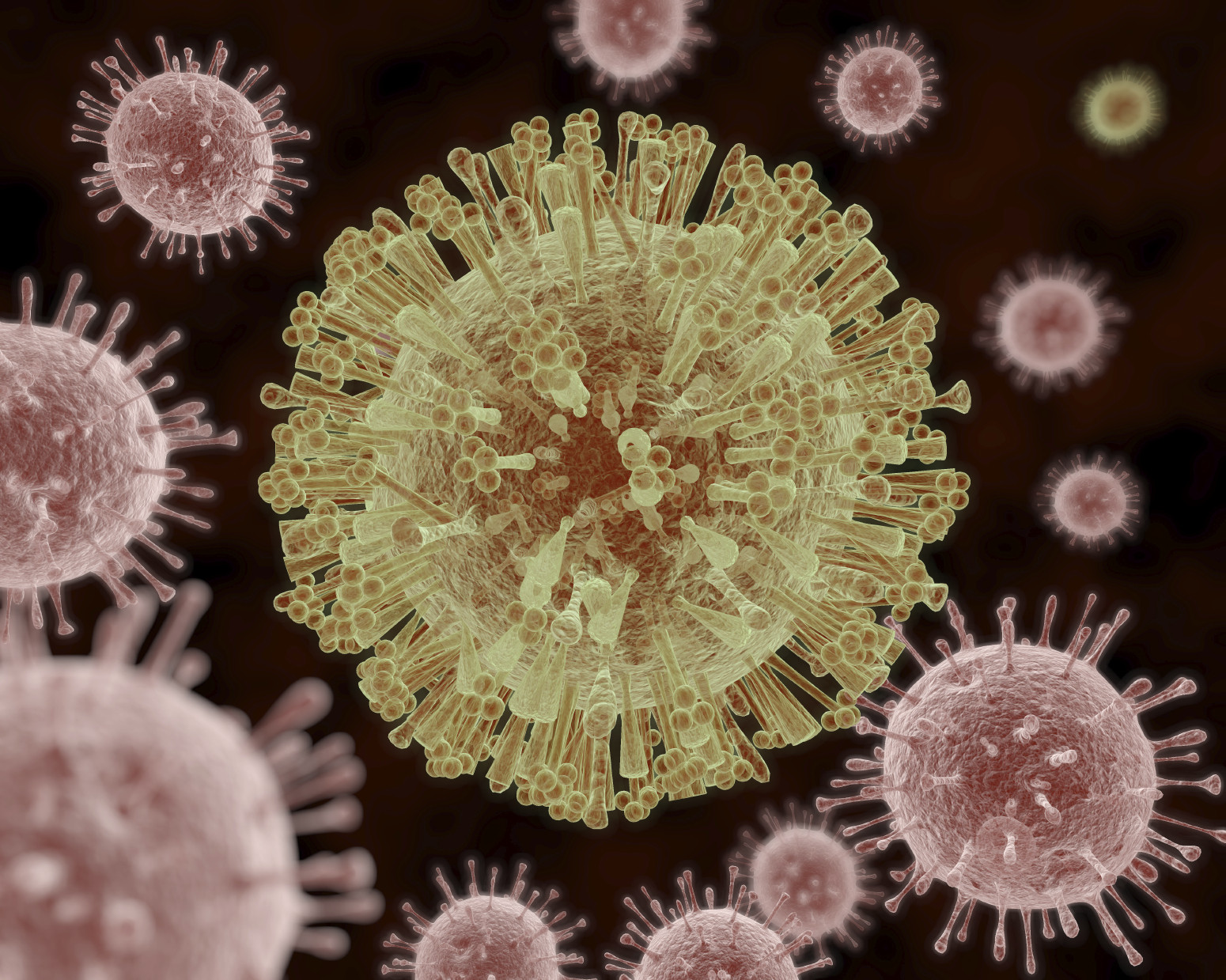
The development of vaccines for many once-fatal illnesses has saved the lives of hundreds of thousands of children in the United States. While some parents may have concerns about the side effects of a vaccine, the decision not to vaccinate a child extends the risk of illness to the larger community.
Are we prepared for epidemics?
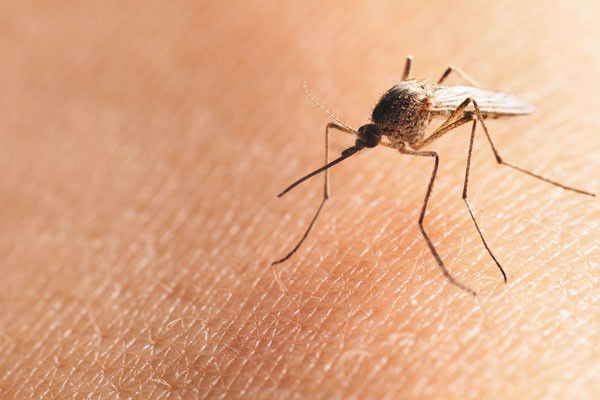
Mosquitoes can transmit many viruses, such as, Zika, West Nile, dengue, and yellow fever.
Image: Thinkstock
Ask the Doctor
Q. Why is it that we suddenly have epidemics of things like Zika virus that we've never heard about, and that we have no treatments or vaccines for? It feels like we should be better prepared than we apparently are. This worries me more than terrorism.
Fatty liver disease: Should you be tested?
Even a little exercise linked with lower stroke risk in people with afib
Testosterone therapy without evidence of deficiency may boost heart risk
Weight-loss drug may lower risk of heart attacks and infections
Migraine: How it's diagnosed and what that means
Tricep workouts you can do at home
Mindfulness practices to reduce stress and improve focus
Antihistamines may not offer meaningful relief from eczema symptoms
Overweight and taking blood pressure medications: Study finds it's a trend that's working
FDA approves first mRNA-based flu vaccine
Free Healthbeat Signup
Get the latest in health news delivered to your inbox!
Sign Up
