

Understanding orthorexia: Have your healthy eating goals gone too far?

Melatonin or magnesium: Can either supplement help you sleep?

Salmonella, E. coli, Cyclospora, and other germs that cause food poisoning: What you need to know

Shingrix shingles vaccine linked with lower heart disease risks

Harvard study: Healthier fats linked to longer life after prostate cancer diagnosis

Naturally gluten-free foods

Stair climbing may significantly lower cardiovascular risks

Estrogen-only hormone therapy tied to lower dementia risk
Should you have a hysterectomy?

Why do I sweat so much?
Heart valve issues Archive
Articles

Air pollution: An invisible threat to your heart
Exposure to microscopic particles called PM2.5 in air pollution may increase a person’s risk of heart attack, stroke, and heart rhythm disorders. The tiny particles pass from the lungs into the bloodstream, triggering inflammation and other cell-damaging processes. Air pollution comes mainly from coal-fired power plants, industrial factories, and motor vehicles. To limit exposure, people should try to avoid exercising outdoors near busy roads or industrial areas.

Most Americans need a large or extra-large blood pressure cuff
A majority of people in the United States need a large or extra-large blood pressure cuff. To ensure an accurate reading, people should check their arm circumference to make sure they're using the correct cuff size.

Stopping unneeded aspirin may prevent dangerous bleeding
Some people who take the anti-clotting drug warfarin (Coumadin) may not need to take low-dose aspirin. Stopping unneeded aspirin use may prevent dangerous bleeding.

Heavy metals found in popular brands of dark chocolate
Popular brands of dark chocolate (which is often touted as heart-healthy) may contain potentially worrisome levels of lead and cadmium. Consistent, long-term exposure to these heavy metals has been linked to cardiovascular disease.
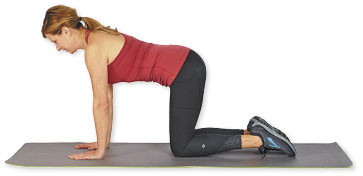
Move of the month: Opposite arm and leg raise
The core muscles include those of the abdomen, lower back, front of hips, and spine. Many popular sports such as cycling, golf, tennis, and swimming depend on a stable, flexible core.

Telehealth for your heart
Video visits and other forms of telehealth, which were commonplace during the COVD-19 surge, can be good options for treating people with heart disease. Telehealth delivery options can be synchronous or asynchronous, and they may also include remote monitoring or measurements such as weight and blood pressure. Blended care that combines in-person appointments with virtual visits may be the wave of the future.

Addressing language challenges after a stroke
Stroke is the most common cause of aphasia, a language-based brain disorder that can affect speaking, understanding, reading, and writing. But the brain has the ability to rewire brain cells and recover lost function through a process known as neuroplasticity. Therapy with a speech-language pathologist facilitates this recovery, which is greatest in the first several months after a stroke. Stroke survivors who keep working on their language processing problems can continue to improve for years.

Statins vs. supplements: A reckoning
A 2022 study found that a statin drug lowers LDL cholesterol better than six popular dietary supplements. While not everyone with high LDL needs a statin, these drugs are proven to lower heart attack risk in people who have or are at high risk of heart disease based on a common risk calculator. Dietary supplements such as cinnamon, garlic, and turmeric aren't helpful for addressing heart-related risks, and product labels often offer false promises regarding cardiovascular benefits.

The new diabetes drugs: Your best shot for weight loss?
Several drugs originally developed to treat type 2 diabetes can help people shed as much as 20% of their body weight—far more than other anti-obesity drugs. Known as incretin mimetics, they also improve blood pressure and cholesterol levels. Up to half of all new-onset diabetes cases in this country are linked to obesity, a disease that now affects more than 40% of Americans. Both conditions are closely linked to cardiovascular disease.

Exercising when you have a heart condition
For people with all types of cardiovascular disease, regular exercise helps prevent the disease from getting worse. Even very short exercise stints can make a difference. Many people with heart disease qualify for cardiac rehabilitation, which includes an exercise stress test that shows how your heart and body respond to exertion. The results can inform recommendations for safe, effective physical activity.
Understanding orthorexia: Have your healthy eating goals gone too far?
Melatonin or magnesium: Can either supplement help you sleep?
Salmonella, E. coli, Cyclospora, and other germs that cause food poisoning: What you need to know
Shingrix shingles vaccine linked with lower heart disease risks
Harvard study: Healthier fats linked to longer life after prostate cancer diagnosis
Naturally gluten-free foods
Stair climbing may significantly lower cardiovascular risks
Estrogen-only hormone therapy tied to lower dementia risk
Should you have a hysterectomy?
Why do I sweat so much?
Free Healthbeat Signup
Get the latest in health news delivered to your inbox!
Sign Up
