

Understanding orthorexia: Have your healthy eating goals gone too far?

Melatonin or magnesium: Can either supplement help you sleep?

Salmonella, E. coli, Cyclospora, and other germs that cause food poisoning: What you need to know

Shingrix shingles vaccine linked with lower heart disease risks

Harvard study: Healthier fats linked to longer life after prostate cancer diagnosis

Naturally gluten-free foods

Stair climbing may significantly lower cardiovascular risks

Estrogen-only hormone therapy tied to lower dementia risk

Should you have a hysterectomy?

Why do I sweat so much?
Heart surgery Archive
Articles

Magnesium: A mineral you might be missing
A healthy diet is the best way to make sure you're getting enough of this essential element.
Image: mamadela /Thinkstock
Magnesium probably isn't a mineral that comes to mind when you think about heart health. But a recent report showing that magnesium supplements may modestly lower blood pressure may have left some people wondering if they should head to Whole Foods to buy a bottle of magnesium pills.
"That's what I'm worried about," says cardiologist Dr. Elliott Antman, professor of medicine at Harvard Medical School. The reason? There's far stronger evidence that consuming less sodium will help improve your blood pressure. "I don't want people to think they can stop paying attention to how much salt they're eating if they're taking a magnesium supplement," he says.

Preventing blood clots: Is warfarin still right for you?
Using warfarin effectively is challenging—perhaps even more so than doctors have realized.
Image: arun011 /Thinkstock
For more than 60 years, warfarin has been a mainstay for people with atrial fibrillation. Used properly, warfarin may prevent as many as 60% of strokes related to this common heart rhythm disorder each year. But warfarin is notoriously tricky to manage because blood levels have to be kept within a narrow range to avoid side effects such as unwanted bleeding.
As a result, warfarin users must get frequent blood tests (see "What is an INR?") when they start the drug to fine-tune their dose. Once their INR values are consistently in the right range, most people scale back to testing every month or so. But a recent study suggests that people who take warfarin need to stay extra vigilant over the long term.

The boozy business meal: Costly for your heart?
People who follow a “social-business” eating pattern (marked by frequent snacking and restaurant meals featuring meat, sugary drinks, and alcohol) may be more likely to develop early signs of heart disease than people with healthier diets.

Healthier golden years for people with long-lived parents?
People whose parents live to age 70 and older are less likely to have cardiovascular problems in late middle age and less likely to die at an early age.

Adult asthma linked to higher risk of heart disease
People who develop asthma as adults may have a higher risk of developing heart disease than those without asthma. Adult-onset asthma is often triggered by air pollution and tends to be harder to control than asthma that starts during childhood.

Many ways to lower cholesterol will reduce heart disease risk
Research shows that lowering cholesterol using a variety of approaches–including medications and diet–can lower the chances of having a cardiovascular event, including a heart attack. For people at high risk for a heart attack, cholesterol-lowering statins are usually the first-line treatment. For people who can’t take statins, other drugs may help.


Is there an early warning test for stroke?
Strokes seem to come out of the blue. But most of them happen due to decades-long damage to blood vessels and growth of artery-clogging plaque. That raises the question: Is there an early warning test for stroke?
Yes and no. A test called the carotid ultrasound can detect the buildup of cholesterol-filled plaque in the carotid arteries in the neck. These arteries deliver blood to the brain. The test, which uses sound waves, is quick, safe, and without any immediate potential for harm. It makes perfect sense for someone experiencing lightheadedness, memory loss, or the warning signs of a stroke or mini-stroke.
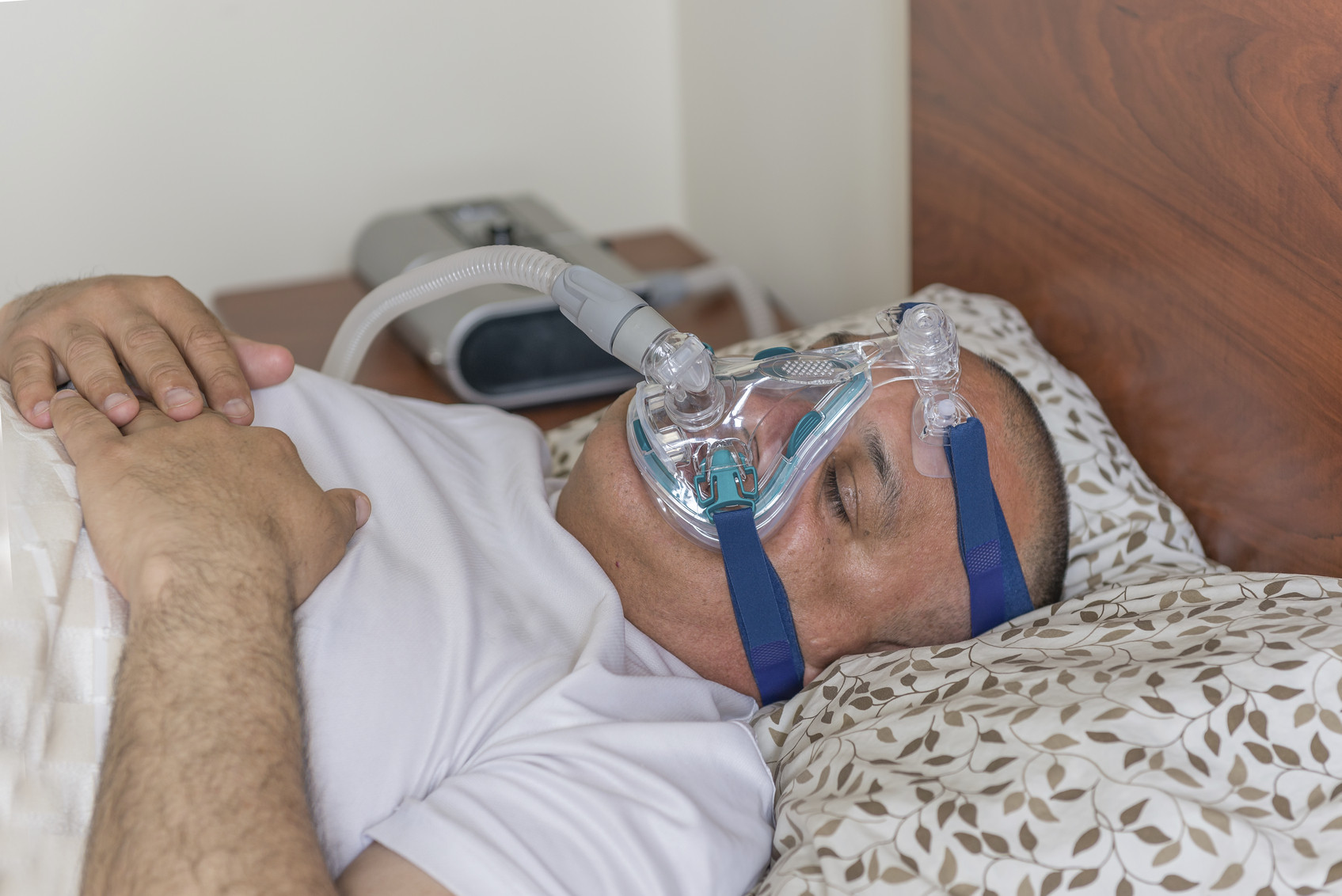
Heart disease, sleep apnea, and the Darth Vader mask too?
A study questions whether CPAP helps to slow the progression of coronary artery disease in those who already have it, but use of the device has still been shown to have quality of life and other health benefits in those with sleep apnea.

The benefits of vitamin pills and chocolate
Although theoretically multivitamins and chocolate might reduce the risk of heart disease and some cancers, proof is lacking. A new randomized trial called COSMOS will test whether multivitamin pills and cocoa pills have health benefits.
Understanding orthorexia: Have your healthy eating goals gone too far?
Melatonin or magnesium: Can either supplement help you sleep?
Salmonella, E. coli, Cyclospora, and other germs that cause food poisoning: What you need to know
Shingrix shingles vaccine linked with lower heart disease risks
Harvard study: Healthier fats linked to longer life after prostate cancer diagnosis
Naturally gluten-free foods
Stair climbing may significantly lower cardiovascular risks
Estrogen-only hormone therapy tied to lower dementia risk
Should you have a hysterectomy?
Why do I sweat so much?
Free Healthbeat Signup
Get the latest in health news delivered to your inbox!
Sign Up
