

Naturally gluten-free foods

Harvard study: Healthier fats linked to longer life after prostate cancer diagnosis

Shingrix shingles vaccine linked with lower heart disease risks

Estrogen-only hormone therapy tied to lower dementia risk
Should you have a hysterectomy?

Stair climbing may significantly lower cardiovascular risks

Why do I sweat so much?

Walking pneumonia: The "mild" illness that can still pack a punch

What causes knee pain: How doctors make a diagnosis

Where you carry excess weight matters in predicting heart disease risk
Heart Health Archive
Articles
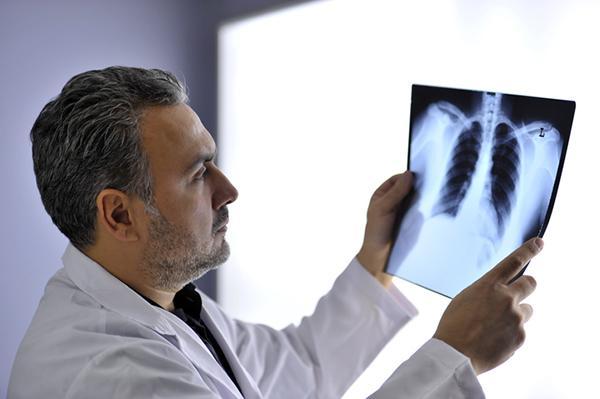
Can a pulmonary embolism be treated at home?
A blood clot in the lungs (pulmonary embolism) that is discovered by chance on an imaging test and causes no symptoms can be safely treated at home with anti-clotting drugs, according to guidelines published in 2026.

Why might I feel faint after light exercise?
Momentary dizziness after a walk or rising from kneeling can signal blood pressure shifts, medications, heart disease, or low blood sugar. It merits a checkup.
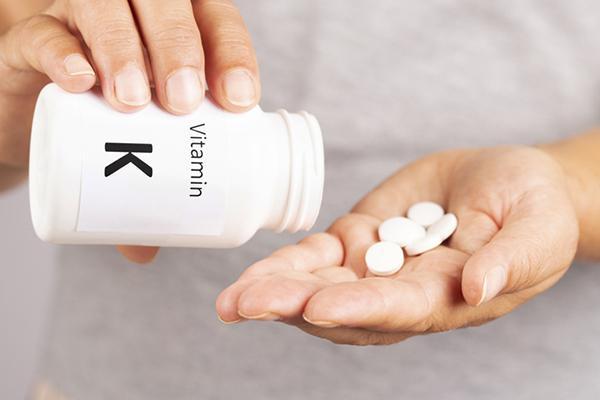
Is it safe for me to take vitamin K if I am already taking Plavix and aspirin?
Taking antiplatelet drugs can make any “blood thinner” advice confusing. Which blood-thinning medications vitamin K affects matters here.
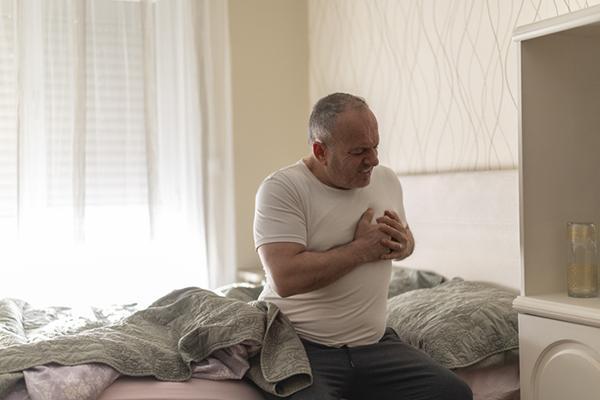
Why are heart attacks more common in the morning?
A number of physiological changes driven by the body’s internal clock help explain why heart attacks are more common in the morning. These changes include factors involved in blood pressure, blood clot formation, and inflammation.

What is non-HDL cholesterol?
For many people, non-HDL cholesterol (which is total cholesterol minus HDL cholesterol) may be as good as (or even more reliable than) LDL for assessing a person's risk of heart problems.

What is statin intensity and how should it guide my treatment?
Statin dosages fall into three categories (low, moderate, or high) based on how much the medication can lower LDL. The choice of a statin depends on a person's risk.
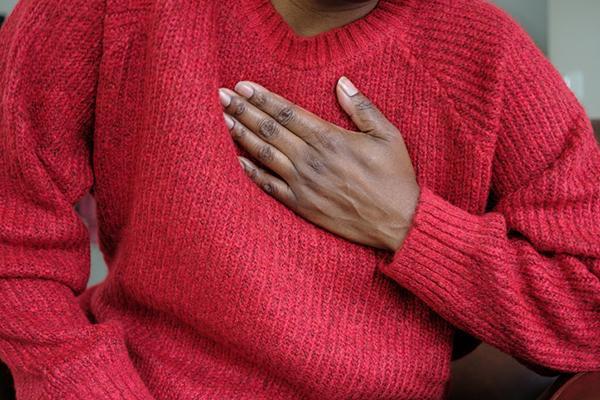
What does it mean to have an enlarged heart?
An “enlarged” heart on an X‑ray doesn’t always mean trouble. Further heart imaging can help reveal what’s really going on.
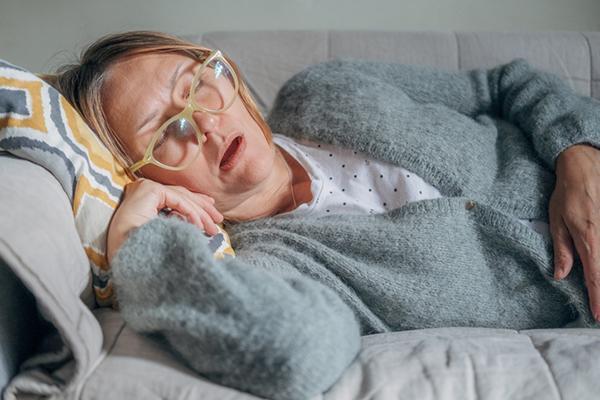
What could be causing my nighttime gasping for breath?
Sudden gasps for air at night can be alarming. Explore how allergies, blocked airways, or more serious sleep and heart problems might be involved.
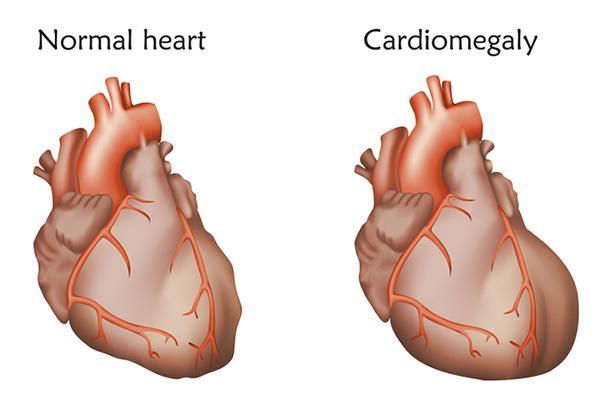
What can cause an enlarged heart?
An enlarged heart has many possible causes, including conditions that force the heart to work harder than usual (such as chronic high blood pressure or heart valve problems) and different types of cardiomyopathy (heart muscle disease).

Can you further lower heart disease risk if your numbers already look good?
Extra steps that might further protect heart health when blood pressure, cholesterol, diet, and exercise are already well managed.
Naturally gluten-free foods
Harvard study: Healthier fats linked to longer life after prostate cancer diagnosis
Shingrix shingles vaccine linked with lower heart disease risks
Estrogen-only hormone therapy tied to lower dementia risk
Should you have a hysterectomy?
Stair climbing may significantly lower cardiovascular risks
Why do I sweat so much?
Walking pneumonia: The "mild" illness that can still pack a punch
What causes knee pain: How doctors make a diagnosis
Where you carry excess weight matters in predicting heart disease risk
Free Healthbeat Signup
Get the latest in health news delivered to your inbox!
Sign Up
