

Healing after food poisoning

What is tempeh? Benefits, nutrition, and how to use it

Light exposure at night may raise risk for heart disease

Whole grains may improve several heart risk factors at once

A lumbar belt may help ease low back pain

Children of centenarians may stay healthier and live longer too, study finds

Signs of pneumonia: Sometimes vague and unexpected

The surprising link between ovarian cancer and the fallopian tubes

Using a vibration plate: What it can — and can't — do for your body

People who walk more or walk faster live longer, study finds
Heart Failure Archive
Articles

Salty diet linked to narrowed arteries in the heart and neck
The more salt people eat, the greater their risk of clogged heart and neck arteries, a 2023 study suggests. Narrowed arteries (atherosclerosis) can lead to heart attacks and strokes.

Move of the month: Stationary lunge
Lunges, which strengthen the entire lower body, are a good example of a functional exercise. These exercises mimic everyday actions (such as picking something up off the floor), thereby improving physical functioning throughout the day.

COVID-19's cardiac legacy: An update
COVID-19 may increase the risk of cardiovascular problems, including heart attack, stroke, pulmonary embolism, atrial fibrillation, and heart failure, up to a year after the infection. But vaccination appears to lower these risks. Getting just one dose of a COVID vaccine may halve the risk of myocarditis, a rare condition that causes inflammation of the heart muscle that can arise after viral infections.

Statins may have no effect on exercise pain
A common complaint among statin users is that the drugs increase pain during and after exercise. A 2023 study suggests statins won't exacerbate usual muscle symptoms from moderate-intensity exercise.

Exercise may improve atrial fibrillation
A 2023 study found that for people with atrial fibrillation, a program of supervised and home-based exercise may reduce the severity and frequency of their symptoms.

Heart failure risk in people with diabetes who take certain pain relievers
People with diabetes who take pain relievers known as nonsteroidal anti-inflammatory drugs (NSAIDs) may be at higher risk of heart failure, according to a 2023 study. NSAIDs include ibuprofen, which is sold over the counter as Advil and Motrin.

Can a smart watch detect early risks for certain heart problems?
A 2023 study suggests that the type of technology used in smart watches to measure the heart's electrical activity may have the potential to detect early signs of heart failure or atrial fibrillation.

The kidney-heart connection
More than one in seven adults has chronic kidney disease, yet many of them aren't aware of the problem. Early-stage kidney disease often has no symptoms, but the condition slowly and silently worsens over time. The two most common causes of chronic kidney disease—high blood pressure and diabetes—are also leading risk factors for heart disease, which means the two diseases often overlap. Most people know their blood pressure and cholesterol values, but few are familiar with the tests used to assess kidney health. They include serum creatinine, estimated glomerular filtration rate, and urine protein tests.

Cannabis: A cardiovascular concern?
Marijuana use, which is rising among older adults, appears to heighten the risk of heart-related problems. Cannabis is known to increase heart rate and blood pressure, although high doses can have the opposite effect. Marijuana use has been implicated in causing heart attacks, atrial fibrillation, stress cardiomyopathy, and arteritis.
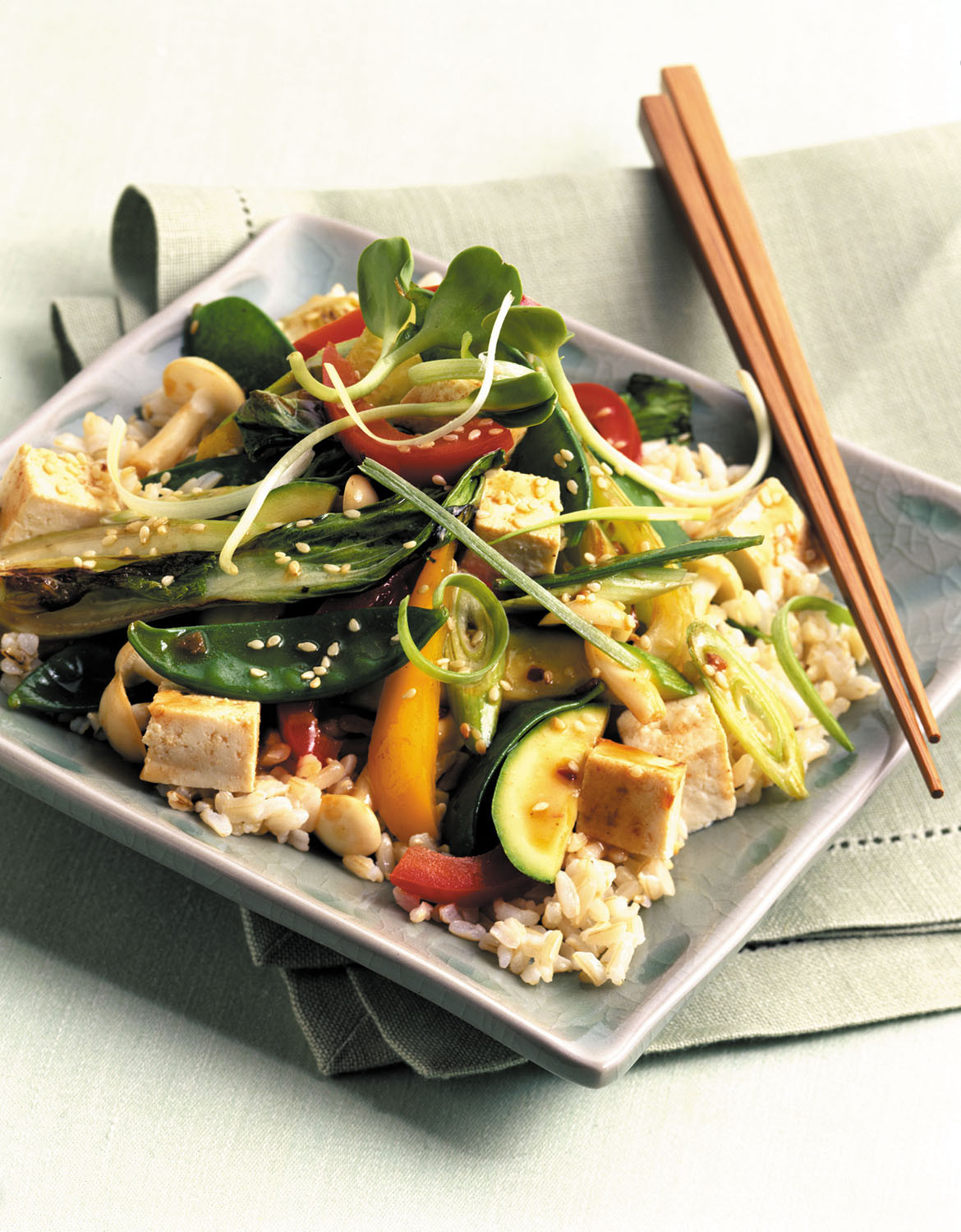
Traditional Chinese diets: A template for healthy eating habits
Many foods traditionally eaten in China, such as vegetables, tofu, and seafood, are all linked to a lower risk of cardiovascular disease. So are the unsaturated oils (such as canola, soy, or peanut oil) frequently used to prepare Chinese dishes. But some Chinese cooking staples like soy sauce and other savory sauces (black bean, hoisin, and oyster) are quite high in sodium, which can raise blood pressure. At restaurants, people should request no monosodium glutamate (MSG), a flavor enhancer that also contains sodium. For home cooking, people can buy soy sauce with 37% less sodium, which is marketed as "less sodium soy sauce.
Healing after food poisoning
What is tempeh? Benefits, nutrition, and how to use it
Light exposure at night may raise risk for heart disease
Whole grains may improve several heart risk factors at once
A lumbar belt may help ease low back pain
Children of centenarians may stay healthier and live longer too, study finds
Signs of pneumonia: Sometimes vague and unexpected
The surprising link between ovarian cancer and the fallopian tubes
Using a vibration plate: What it can — and can't — do for your body
People who walk more or walk faster live longer, study finds
Free Healthbeat Signup
Get the latest in health news delivered to your inbox!
Sign Up
