

Healing after food poisoning

What is tempeh? Benefits, nutrition, and how to use it

Light exposure at night may raise risk for heart disease

Whole grains may improve several heart risk factors at once

A lumbar belt may help ease low back pain

Children of centenarians may stay healthier and live longer too, study finds

Signs of pneumonia: Sometimes vague and unexpected

The surprising link between ovarian cancer and the fallopian tubes

Using a vibration plate: What it can — and can't — do for your body

People who walk more or walk faster live longer, study finds
Heart Failure Archive
Articles
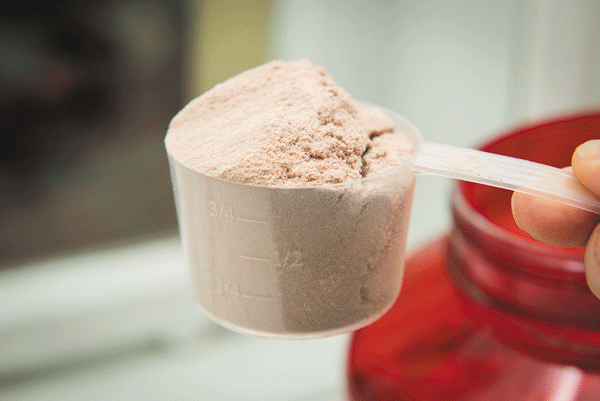
Milk protein may lower blood pressure
A powdered form of whey protein from milk may modestly lower blood pressure.

Artery-opening angioplasty via the arm is safe for elderly
In older people, angioplasty done through an artery starting in the wrist may have fewer complications than conventional angioplasty done through a vessel starting in the leg.
When You Visit Your Doctor - After a Heart Attack
After a Heart Attack
Questions to Discuss with Your Doctor:
- Have you had chest pain or pressure since you were discharged from the hospital?
- How severe is it?
- How long does it last?
- Does it stay in your chest or radiate to other parts of your body?
- Did you have this pain before your heart attack? What brings it on? How frequently do you get it?
- What were you doing just prior to the chest pain?
- Do you ever get chest pain or pressure at rest?
- What relieves the chest pain?
- If you take nitroglycerin, how many doses do you usually need to take before the pain goes away?
- How often do you take nitroglycerin?
- Do you get short of breath when you lie down or exert yourself?
- Do you awaken in the middle of the night short of breath?
- Do your ankles swell?
- Do you ever feel lightheaded?
- Have you fainted?
- Do you get rapid or pounding heartbeat for no reason?
- Do you know what each of the medications you are taking does?
- Do you know the side effects of each medication?
- Are you having any side effects?
- Are you taking an aspirin every day?
- Are you doing everything you can to modify the risk factors that can worsen your coronary artery disease (cigarette smoking, high blood pressure, high cholesterol, and diabetes are the most important risk factors)?
- Are you participating in a supervised exercise program?
- Are you resuming your normal activities?
- Are you sexually active?
- Have you returned to work?
- Have you been feeling depressed since your heart attack?
- Have you been able to reduce the stress in your life?
- Have you been fatigued?
Your Doctor Might Examine the Following Body Structures or Functions:
- Heart rate, blood pressure, and weight
- Pulses in your wrist, groin, and feet
- Listen over the major arteries in the neck, groin, and feet (for abnormal noises)
- Look at the veins in the neck to see if there is extra fluid in your body
- Heart and lungs
- Ankles and legs (for swelling)
Your Doctor Might Order the Following Lab Tests or Studies:
- Blood tests for glucose, lipid panel (cholesterol levels) and C-reactive protein (CRP)
- Electrocardiogram
- Echocardiogram
- Exercise stress test
When You Visit Your Doctor - Heart Block
Heart Block
Questions to Discuss with Your Doctor:
- Have you been dizzy or lightheaded?
- Have you fainted?
- Have you been fatigued?
- Have you had chest pain?
- Do you get it with exertion or at rest?
- How frequently do you get it?
- How long does it last?
- What brings it on?
- What relieves it?
- Is this a change from your usual pattern?
- Do you get short of breath when you lie down or exert yourself?
- Do you awaken in the middle of the night short of breath?
- Do your ankles swell?
- Do you get rapid or pounding heartbeats for no reason?
- What medications are you taking (including over-the-counter medications, herbal remedies, and vitamins)?
- Do you have any other medical problems?
Your Doctor Might Examine the Following Body Structures or Functions:
- Heart rate, blood pressure, and weight
- Pulses in the wrist and feet
- Veins in the neck
- Heart and lungs
- Ankles and legs (for swelling)
Your Doctor Might Order the Following Lab Tests or Studies:
- Electrocardiogram
- Echocardiogram
- Holter monitor
- Electrophysiologic testing
When You Visit Your Doctor - Peripheral Artery Disease
Peripheral Artery Disease
Questions to Discuss with Your Doctor:
- Do you develop pain, cramps, aches, fatigue, or numbness in your leg muscles when you walk?
- At what distance do you develop symptoms?
- Do they go away when you stop walking?
- Do you ever develop these symptoms at rest?
- Do you have decreased sensation in your feet?
- If you are a man, do you have erectile dysfunction?
- Are you doing everything possible to modify the risk factors that can worsen this disease (smoking cessation, treating elevated blood pressure and cholesterol, and controlling diabetes)?
- Are you exercising regularly and at progressively more strenuous levels?
- Are you taking an aspirin every day?
- If you have diabetes, do you practice meticulous foot care (cleaning, applying moisturizing lotions, and wearing well-fitting protective shoes)?
- Do you know when to seek emergency medical care for peripheral artery disease (if your leg becomes suddenly painful, pale, cold and numb)?
- Do you get chest pain or pressure with exertion or at rest? If so, you may have coronary artery disease.
- Do you have sudden brief episodes of blindness (like a shade being pulled over your eyes) or sudden episodes of weakness in an arm or leg, or difficulty speaking? These could be warning symptoms of stroke.
Your Doctor Might Examine the Following Body Structures or Functions:
- Heart rate, blood pressure, and weight
- Pulses in your feet and groin, and behind your knees
- Listen with the stethoscope over your carotid arteries in your neck
- Heart and lungs
- Neurologic exam (reflexes and sensation in your legs)
- Muscles (looking for atrophy in leg muscles)
- Skin, looking for changes related to reduced circulation
Your Doctor Might Order the Following Lab Tests or Studies:
- Blood tests, including glucose and cholesterol levels
- Ultrasound of your carotid arteries
- Doppler Ankle-Arm Indices
- Exercise Stress Test
- MRI/MRA
- Angiography
When You Visit Your Doctor - Mitral Valve Prolapse
Mitral Valve Prolapse
Questions to Discuss with Your Doctor:
- Have you had an echocardiogram?
- What did it show?
- Does your mitral valve leak?
- Do you get chest pain?
- What brings it on?
- How long does it last?
- What relieves it?
- Do you ever get a rapid or pounding heartbeat (palpitations) for no reason?
- How long does it last?
- Do you feel faint or develop chest pain or shortness of breath?
- Have you ever fainted?
- Do you get short of breath when you lie down or exert yourself?
- Have you ever taken any medications for your heart?
- Did you develop any side effects from these medications?
Your Doctor Might Examine the Following Body Structures or Functions:
- Heart rate, blood pressure, and weight
- Heart (sometimes while you are standing, squatting, or performing other maneuvers)
- Lungs
Your Doctor Might Order the Following Lab Tests or Studies:
- Electrocardiogram
- Echocardiogram
- Holter monitor or event monitor
Recognizing stroke early
Early treatment of the most common type of stroke, ischemic stroke, can limit brain damage and vastly improve outcomes. Ischemic stroke is the kind caused by atherosclerosis, which causes blood clots that block the blood supply to a part of the brain. Yet too few ischemic stroke patients receive important clot-busting drugs, which are most effective when given within three hours after symptoms start. Patients often arrive at the hospital after that window of opportunity has closed. They delay getting treatment because stroke symptoms may not be that pronounced or they are mistaken as coming from other, less serious problems.
As a result, doctors are looking for ways to make it easier for the layperson to identify a stroke. The Cincinnati Prehospital Stroke Scale is one such attempt. Some experts say it leaves out too many symptoms. Others say it will cause false alarms because it's not specific enough..
LDL cholesterol: Low, lower, and lower still
The overall message on "bad" LDL cholesterol is much the same as it has been: Lower is better and how low your level should be depends on your cardiovascular risk factors.
But the standard for what low LDL means keeps on getting lower. While an LDL level under 70 is still the usual goal for people at the highest risk for cardiovascular disease perhaps that is still too high.
Potassium lowers blood pressure
When it comes to fighting high blood pressure, the average American diet delivers too much sodium and too little potassium. Eating to reverse this imbalance could prevent or control high blood pressure and translate into fewer heart attacks, strokes, and deaths from heart disease.
Normal body levels of potassium are important for muscle function. Potassium relaxes the walls of the blood vessels, lowering blood pressure and protecting against muscle cramping. A number of studies have shown an association between low potassium intake and increased blood pressure and higher risk of stroke. On the flip side, people who already have high blood pressure can significantly lower their systolic (top number) blood pressure by increasing their potassium intake when they choose to eat healthy foods.
Low potassium levels from diuretics
Thiazide diuretics like hydrochlorothiazide (Esidrix, HydroDIURIL, other brands) continue to be a very effective way to lower blood pressure for people with hypertension. They're inexpensive, and results from large studies have shown them to be at least as effective as other types of blood pressure drugs for most patients.
But if you're taking a diuretic, your potassium levels need to be watched. These drugs direct the kidneys to pump water and sodium into the urine. Unfortunately, potassium also slips through the open floodgates. A low potassium level can cause muscle weakness, cramping, or an abnormal heartbeat, which is especially dangerous for people with heart problems.
Healing after food poisoning
What is tempeh? Benefits, nutrition, and how to use it
Light exposure at night may raise risk for heart disease
Whole grains may improve several heart risk factors at once
A lumbar belt may help ease low back pain
Children of centenarians may stay healthier and live longer too, study finds
Signs of pneumonia: Sometimes vague and unexpected
The surprising link between ovarian cancer and the fallopian tubes
Using a vibration plate: What it can — and can't — do for your body
People who walk more or walk faster live longer, study finds
Free Healthbeat Signup
Get the latest in health news delivered to your inbox!
Sign Up
