

Healing after food poisoning

What is tempeh? Benefits, nutrition, and how to use it

Light exposure at night may raise risk for heart disease

Whole grains may improve several heart risk factors at once

A lumbar belt may help ease low back pain

Children of centenarians may stay healthier and live longer too, study finds

Signs of pneumonia: Sometimes vague and unexpected

The surprising link between ovarian cancer and the fallopian tubes

Using a vibration plate: What it can — and can't — do for your body

People who walk more or walk faster live longer, study finds
Heart Failure Archive
Articles
Of all the flavors in the world, we choose salty — and that’s not good
The average American consumes three times the recommended daily intake of sodium, largely because of salt added to processed and prepared foods. It’s possible to reduce daily sodium intake, but it does require effort and vigilance.

Why middle-age spread is a health threat
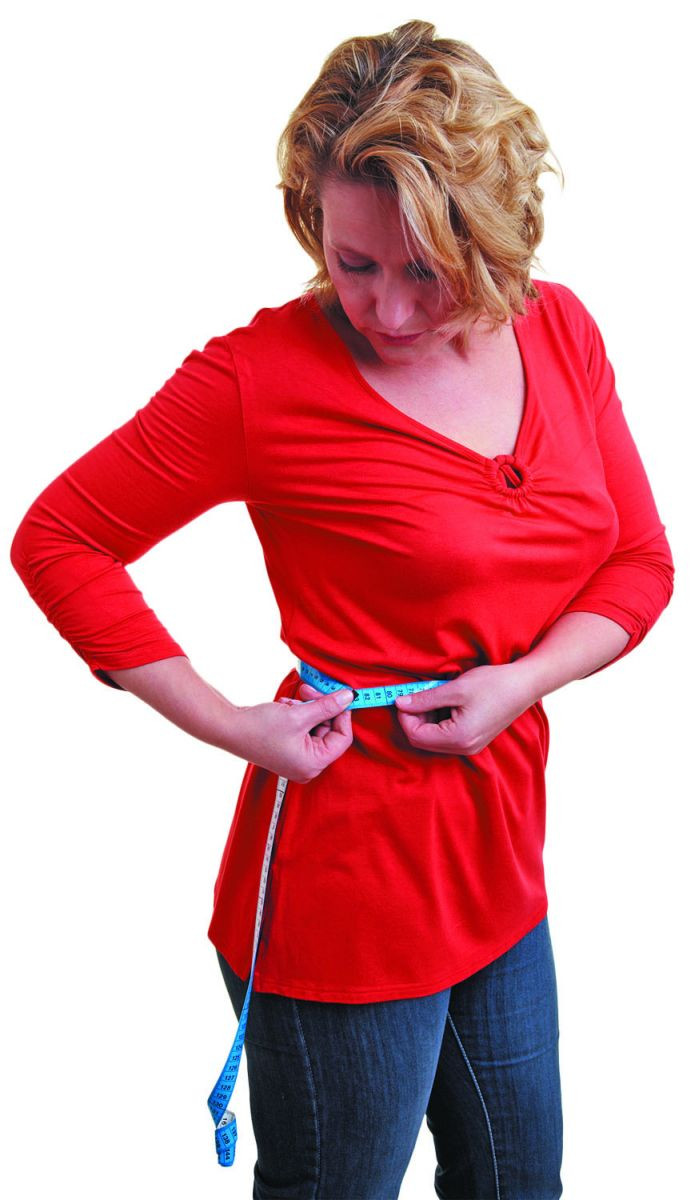
Those extra inches around the middle may signal increased fat around abdominal organs and rising health risks.
It's a rare woman over age 50 who has the same waist measurement she had as a teenager. But in the past decade or so, women's waistlines have been expanding regardless of age. A 2014 report from the National Health and Nutrition Examination Survey found that from 1999 to 2012, the average body mass index (BMI) for women age 20 or older held steady. But during the same period, the average female waistline grew slowly and steadily, from 36.2 inches to 37.8 inches. Researchers are still searching for an explanation for this phenomenon, but they do know one thing: increasing waistlines are linked to greater risks for heart disease, diabetes, and osteoporosis.
What's in a waistline?
Regardless of whether your weight has changed over the years, your height is likely to have decreased, the result of declining volume in the intervertebral discs of the spine. As your torso shortens, your abdominal organs have less vertical space to inhabit, so they move horizontally. If you haven't gained weight, an increase of an inch or two around the waist may simply reflect lost height.

The value of prevention
Treating heart disease is expensive. Adopting heart-healthy habits can save money as well as lives.
If you exercise, eat right, and follow other heart-friendly habits, you're probably less likely to end up in the hospital with a heart problem. And — no surprise here — that translates to far lower health care costs. The average hospital charge for a heart operation or related procedure is about $85,000 (see "The price of treating heart disease").
A recent report shed light on the magnitude of the savings realized from heart disease prevention strategies. The study, published in the Feb. 1, 2017, Journal of the American Heart Association, focused on Medicare claims for more than 6,200 people over age 65. Health care costs were about $5,000 less per year in people with the most heart-healthy factors compared with those with the least number of factors. If all Medicare beneficiaries followed five of seven key heart-healthy habits (see "Life's Simple 7") to reduce cardiovascular disease, it would save more than $41 billion a year in Medicare costs, the study authors estimated.
Fruits and vegetables for heart health: More is better
Research we're watching
Image: © tvirbickis/Thinkstock
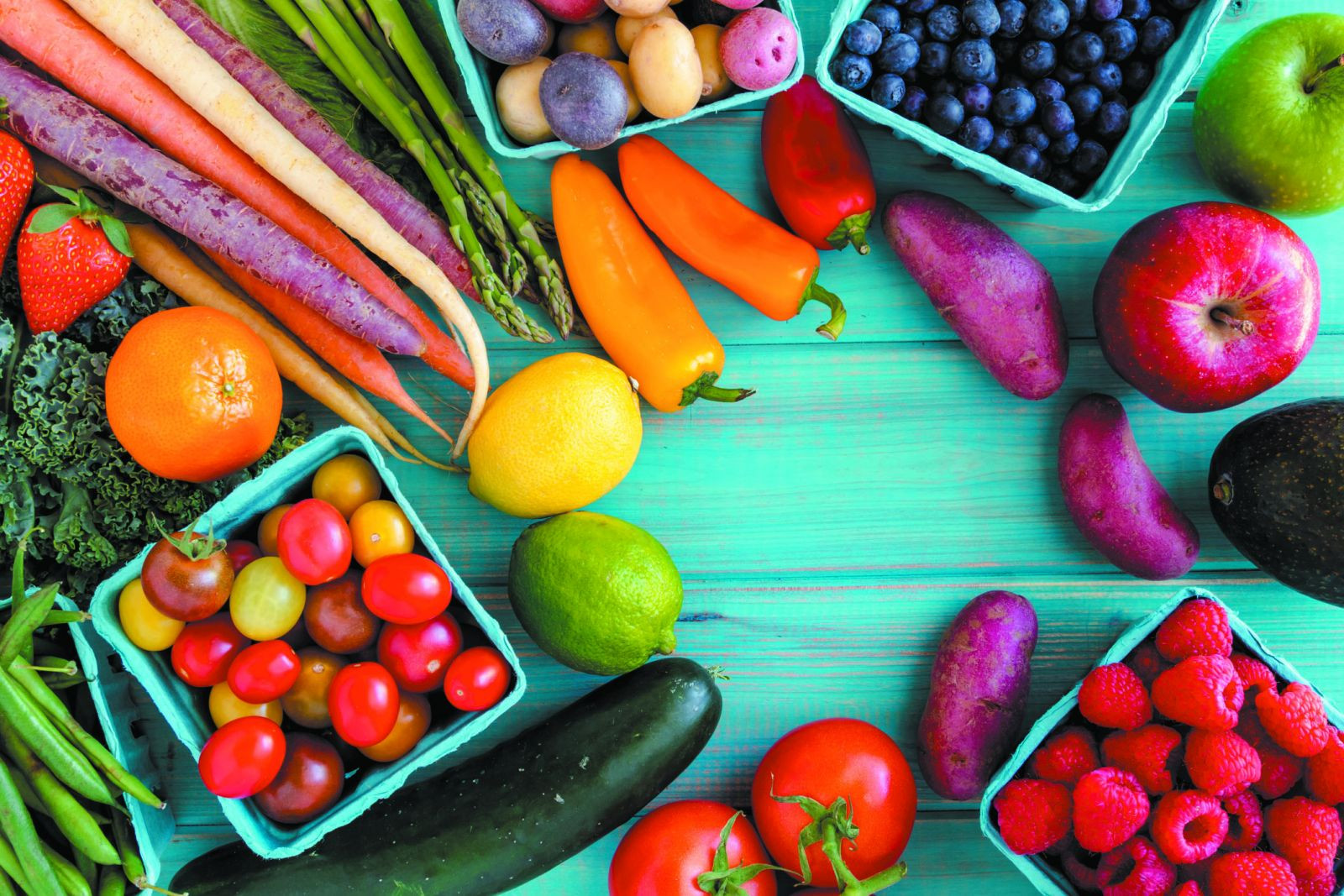
How many daily servings of fruits and vegetables should you eat to keep your heart healthy? Five servings a day (about two-and-a-half cups) appears to slightly lower your risk of heart attack and stroke. But pump up your produce intake to 10 servings a day, and you may lower your risk of cardiovascular disease by 28% and your risk of premature death by 31%, according to a new review article.
The findings, published online Feb. 22, 2017, by the International Journal of Epidemiology, were gleaned from 95 studies from around the world looking at the effects of fruit and vegetable intake. The items that seemed to offer the greatest benefits included apples, pears, oranges and other citrus fruits, green leafy vegetables, cruciferous vegetables (such as broccoli, cabbage, and cauliflower), and green and yellow vegetables (such as green beans, carrots, and peppers).

Safety of implanted cardiac devices and MRIs: An update
Research we're watching
Contrary to conventional wisdom, most people with older implanted cardiac devices may be able to safely get a magnetic resonance imaging (MRI) scan, according to a study in the Feb. 23, 2017, New England Journal of Medicine.
The devices, which include pacemakers and implantable cardioverter-defibrillators (ICDs), help regulate and restore the heart's normal rhythm. Concerns that the powerful magnets in MRIs could damage these battery-operated devices led to the development of newer, MRI-safe devices. But an estimated two million people in the United States have one of the older devices, and at least half of them might need an MRI in the future.

A win for weekend warriors?
Exercising just one or two days a week may lower the odds of dying of heart disease.
Image: © Jupiterimages/Thinkstock
If you find it difficult to fit a workout into your daily schedule, here's some encouraging news: exercising even just once or twice a week appears to help your heart, new research suggests.
The findings, which were based on the self-reported exercise habits of more than 63,500 people, were published March 6, 2017, in JAMA Internal Medicine. Among people who exercised enough to meet federal physical activity recommendations, those who did all their exercise on one or two days a week — so-called weekend warriors — had 40% lower risk of death from heart disease than people who were inactive (see "Exercise patterns: How much do time and intensity matter?").

Your blood pressure goal: A personalized balancing act
Experts are divided on optimal blood pressure targets but agree that an individual approach is the best strategy.
There's no debate about the dangers of high blood pressure. Dubbed the "silent killer," high blood pressure usually has no symptoms. Yet this common condition damages blood vessels throughout the body, raising the risk of heart attack, stroke, kidney disease, and other problems.
But exactly when to start drug therapy for high blood pressure and how aggressive that treatment should be — especially in older people — has been a matter of some dispute in recent years. Some studies suggest that aiming for a stricter (that is, lower) blood pressure target than the current guidelines recommend can substantially reduce a person's risk of cardiovascular complications (see: "Blood pressure research and guidelines: A moving target?"). Other studies offer evidence that a more relaxed (that is, higher) target makes more sense for most people, given the potential harms of drug side effects such as fatigue and coughing, as well as low blood pressure, which can cause lightheadedness and fainting.
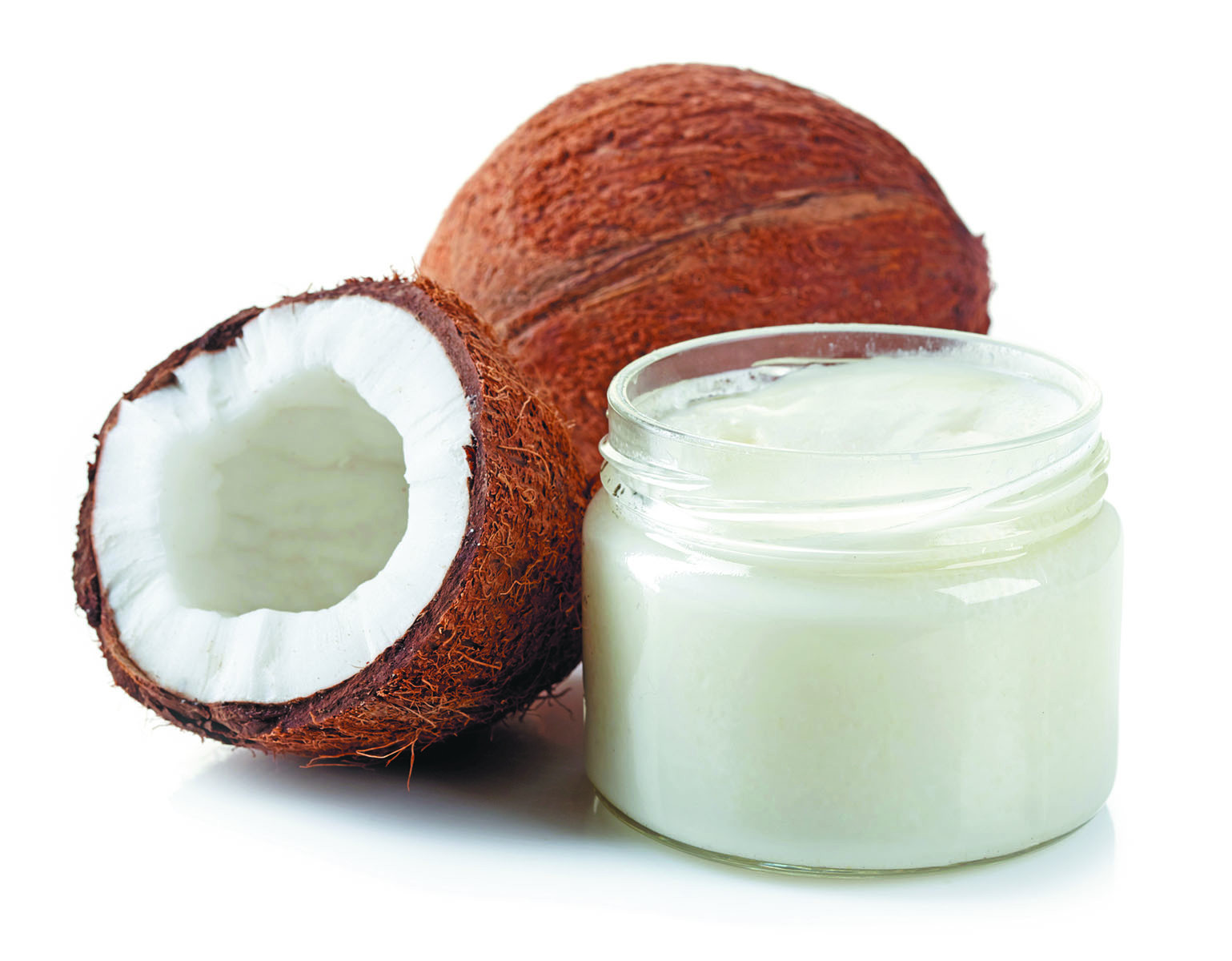
Cracking the coconut craze
Are oils and other products made from this tropical fruit a healthy choice?
Image: © Magone/Thinkstock
Recently, a Harvard Heart Letter reader emailed us a question about coconut oil, a solid white fat that's been touted as a health food, specifically for the heart. Lately, more coconut-based products, including spreads and beverages, are showing up on grocery store shelves, along with jars of coconut oil. But this reader isn't buying it. "I cannot imagine that a food with so much saturated fat could be healthful. What is the latest scientific information regarding coconut oil?" he wrote.
Extracted from white "meat" inside the brown, hard-shelled fruit of the coconut palm, coconut oil is indeed chock-full of saturated fat. In fact, it's about 90% saturated fat, a much higher proportion than butter (64%) or lard (40%). Too much saturated fat in the diet raises harmful LDL cholesterol, which increases the risk of heart disease. But what else do we know about the health effects of this tropical fruit?
Healing after food poisoning
What is tempeh? Benefits, nutrition, and how to use it
Light exposure at night may raise risk for heart disease
Whole grains may improve several heart risk factors at once
A lumbar belt may help ease low back pain
Children of centenarians may stay healthier and live longer too, study finds
Signs of pneumonia: Sometimes vague and unexpected
The surprising link between ovarian cancer and the fallopian tubes
Using a vibration plate: What it can — and can't — do for your body
People who walk more or walk faster live longer, study finds
Free Healthbeat Signup
Get the latest in health news delivered to your inbox!
Sign Up
