

Reading the current blood pressure guidelines

Oat vs. dairy milk: Nutrition, benefits, and downsides

Microplastics: A hidden health threat?

Healing after food poisoning

What is tempeh? Benefits, nutrition, and how to use it

Light exposure at night may raise risk for heart disease

Whole grains may improve several heart risk factors at once

A lumbar belt may help ease low back pain

Children of centenarians may stay healthier and live longer too, study finds

Signs of pneumonia: Sometimes vague and unexpected
Heart Disease Archive
Articles

Timely CPR doubles odds of surviving cardiac arrest
Training the public how to do CPR saves the lives of people struck by cardiac arrest outside of a hospital, according to a study in The New England Journal of Medicine. The survival boost was markedly higher for men who experienced cardiac arrest outside the home.
In the United States, 420,000 people per year experience cardiac arrest outside of hospitals. It seems like a no-brainer that cardiopulmonary resuscitation (CPR) saves lives, but hard evidence has been lacking on exactly how many lives are saved. To help clarify the issue, researchers in Sweden analyzed more than 30,000 out-of-hospital cardiac arrests that occurred from 1990 to 2011. It's a good country to test CPR's power, since a third of the Swedish population knows how to do it.

Standing up for better heart health
Spending less time sitting and more time standing lowers blood sugar, cholesterol, and weight — all of which translates into a lower risk for heart disease. So says a study of Australian adults published in the July 30 issue of the European Heart Journal. Every two hours a day spent sitting was associated with an increase in weight and waist size, as well as in levels of blood sugar and cholesterol. As you might expect, time spent walking rather than sitting not only lowered cholesterol and blood sugar levels, but also reduced waist size and weight. Simply substituting two hours of standing for sitting also improved blood sugar and cholesterol levels. By making slight changes in your lifestyle to incorporate more standing, you could add important health benefits.
Getting an MRI if you have a pacemaker
Ask the Doctor
Q. I've had a pacemaker for several years. Does it make sense to replace it with a newer model that is safe during an MRI scan?
A. Your concern is valid, given some estimates that many people who currently have an implanted cardiac electronic device will need magnetic resonance imaging (MRI) during their lifetime. Sometimes, computed tomography (CT) scans can be used instead. But MRI is the gold standard for diagnosing certain diseases of the brain and spinal cord.

Beyond statins: New medicines for hard-to-manage cholesterol
| People with an inherited condition that causes very high cholesterol levels will likely be the first group of individuals to be offered treatment with PCSK9 inhibitors. Image: Thinkstock |
A novel class of drugs has the potential to pick up the slack where other cholesterol medications leave off.

Tai chi: A gentle exercise that may help heal your heart
| Described as "meditation in motion," tai chi may foster a sense of relaxation that helps lower stress levels. |
Research suggests benefits for a range of cardiovascular conditions.

Managing a leaky mitral valve
Even if you don't have symptoms, repairing the valve sooner rather than later may be a wise choice.
The four valves of your heart work like one-way swinging doors, opening and closing in a perfectly timed sequence to propel blood through your heart and the rest of your body. But the leaflets (flaps of tissue that make up the valves) and nearby structures don't always function as they should. Perhaps because of the higher pressures in the heart's left side, the valves there are particularly vulnerable to problems. That includes the mitral valve, which separates the left upper and lower chambers of the heart (see illustration).

Protein sources that are best for your heart
Fiber-rich and low in fat, beans are one of the best sources of heart-healthy protein. |
The types of fat and other nutrients found in plant- and animal-based protein foods should guide your choices.
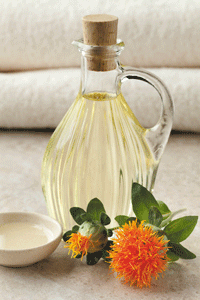
Higher blood levels of unsaturated fats linked to longer life
Image: Thinkstock |
A diet rich in polyunsaturated fats—found mainly in vegetable oils and fish—seems to protect people against cardio-vascular disease. A new study that measured blood levels of these fats in older adults now lends further support to this observation.
The report, in the June 17, 2015, Circulation, included more than 4,200 Swedish men and women without heart disease who were 60 years old when they joined the study. Researchers then tracked the participants' deaths over the following decade and a half. People with the highest blood levels of these beneficial fats were less likely to die from heart disease or any other cause than those with the lowest levels. Measuring the blood levels of these fats may be more reliable than asking people to recall what they ate, the researchers note.
Coronary artery calcium score may predict odds of dying
A noninvasive test called a coronary artery calcium (CAC) scan, which measures specks of calcium in the heart's arteries, can help predict a person's risk of heart disease. New research suggests that a CAC score (which ranges from 0 to 1,000 or more) also can accurately predict a person's risk of dying over the following decade and a half.
The study included 9,715 people who were referred to a cardiology clinic and underwent CAC scans. All had risk factors for heart disease (such as high blood pressure, diabetes, or a family history) but no symptoms. During the nearly 15-year follow-up, people with scores of 400 or greater had a 20% risk of dying of any cause. By comparison, the risk of death was only 3% for people with no signs of calcium in their arteries (a CAC score of 0).
Traffic noise may raise stroke risk
A constant drone of low-level traffic noise may slightly raise your risk of cardiovascular disease, according to British researchers.
The study included data from the nearly 450,000 people admitted to London hospitals with cardiovascular disease over an eight-year period. Researchers estimated how much traffic noise these people were exposed to, day and night.
Reading the current blood pressure guidelines
Oat vs. dairy milk: Nutrition, benefits, and downsides
Microplastics: A hidden health threat?
Healing after food poisoning
What is tempeh? Benefits, nutrition, and how to use it
Light exposure at night may raise risk for heart disease
Whole grains may improve several heart risk factors at once
A lumbar belt may help ease low back pain
Children of centenarians may stay healthier and live longer too, study finds
Signs of pneumonia: Sometimes vague and unexpected
Free Healthbeat Signup
Get the latest in health news delivered to your inbox!
Sign Up
