

Reading the current blood pressure guidelines

Oat vs. dairy milk: Nutrition, benefits, and downsides

Microplastics: A hidden health threat?

Healing after food poisoning

What is tempeh? Benefits, nutrition, and how to use it

Light exposure at night may raise risk for heart disease

Whole grains may improve several heart risk factors at once

A lumbar belt may help ease low back pain

Children of centenarians may stay healthier and live longer too, study finds

Signs of pneumonia: Sometimes vague and unexpected
Heart Disease Archive
Articles

New recommendation narrows heart benefit from low-dose aspirin
Image: Bigstock
In the journals
The influential U.S. Preventive Services Task Force (USPSTF) has endorsed low-dose daily aspirin to prevent cardiovascular disease in people ages 50 to 59 who have a 10% or greater chance of heart attack or stroke in the next 10 years. Unless a person already has cardiovascular disease, the actual number of heart attacks and strokes prevented with daily aspirin is relatively small. This draft recommendation did not recommend aspirin for those younger than 50 or 60 or older, citing insufficient evidence to make a recommendation.
The USPSTF statement is at odds with a statement in 2014 by the FDA that evidence does not support general use of aspirin to prevent a first heart attack or stroke in otherwise healthy adults. However, daily aspirin is often recommended for those with a history of cardiovascular disease, since the potential benefit (preventing heart attacks and strokes) outweighs the risk of bleeding that comes with regular aspirin use.
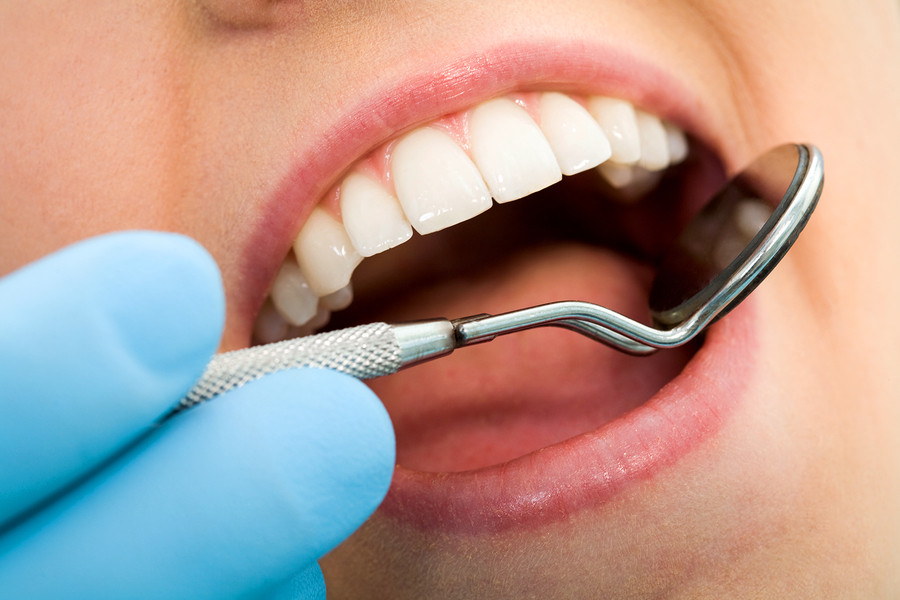
DASH diet linked to better dental health
Image: Bigstock
In the journals
Eating a heart-healthy diet is associated with better dental health, according to a study in the Journal of the American Geriatrics Society. The Dietary Approaches to Stop Hypertension (DASH) diet was originally developed to lower blood pressure, but research has uncovered a variety of other possible health benefits.
In the new study, researchers with the Veterans Affairs Dental Longitudinal Study followed 533 men ages 47 to 90. The men had dental exams every three years over a 20-year period. A trained examiner checked the men for signs of root cavities, which can occur if the gums recede and expose the root surface. Root cavities lead to tooth loss, an outcome that most men understandably want to avoid.

How low should your blood pressure be?
Image: Bigstock
A landmark study indicates that lowering the top number to 120 mm Hg can reduce the risk of cardiovascular problems and death.
Medical practice usually evolves fairly slowly. Experts meet every five to 10 years to review study findings and make recommendations. But occasionally the results of a single study are so decisive that it is brought to a halt early, the results are announced, and doctors change their advice to patients based on the findings. For example, in 2002 the Women's Health Initiative was stopped three years early when postmenopausal women taking estrogen and progestin were found to be at higher risk of heart disease, stroke, and breast cancer than those who weren't on the hormones. The use of postmenopausal hormone therapy fell 70% in the next few years.


Update on the SPRINT trial: Preliminary results pan out
Formally published results of the SPRINT trial confirm the early conclusions released in September. A target systolic blood pressure (the top number) of 120 mm Hg or less offers real health benefits, including a lower risk for cardiovascular problems and even death. Even if you don’t have high blood pressure, the results are so compelling that everyone should know his or her blood pressure and develop a plan with a primary care physician to achieve and maintain the “ideal” blood pressure for them.

The new cholesterol-lowering drugs
Persistently high “bad” LDL cholesterol leads to heart attacks and strokes. New drugs can help, but they are not appropriate for all men. |
These potent medications are for hard-to-manage cases of high cholesterol—not replacements for the tried-and-true statins.
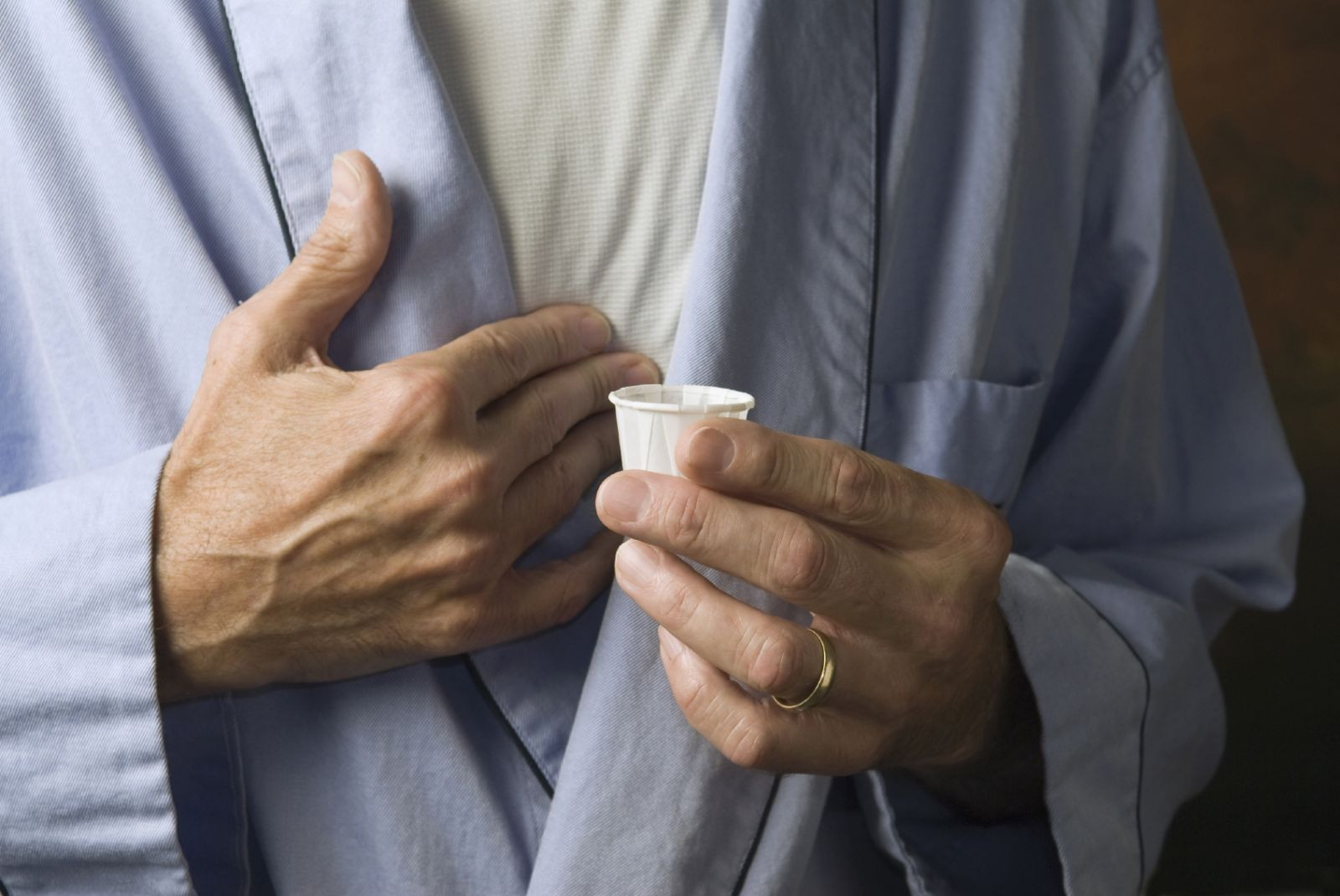
Is your heartburn pill working for you?
| Image: iStock |
For optimal results, you need to take your medication regularly and time it correctly to your meals.
Have you tried to cool the burning discomfort of heartburn with medication and failed to get full relief? If so, a few simple adjustments to optimize your treatment may be all you need.

Marching orders: How to start a walking program
Walking with a friend or spouse may help you stick to your fitness goals. |
This simple activity is one of the best ways to protect your heart.

Cardioversion for afib
Ask the doctor
Q. I am scheduled for an electrical cardioversion for my atrial fibrillation. What should I expect?
A. Electrical cardioversion is a procedure to convert a fast or irregular heartbeat (such as what happens with atrial fibrillation, or afib) to a normal rhythm. Before the procedure, your cardiologist may recommend a special ultrasound test of your heart to check for blood clots. Cardioversion may dislodge any clots, which can be life-threatening. So if clots are found, the procedure may be delayed for a few weeks, so you can take blood-thinning medications to lower your risk of complications such as stroke.

Cardiac rehab is often the best medication for recovery
One advantage of attending cardiac rehab is the power of the group support, which can provide added motivation. |
Participation in a cardiac rehabilitation program following a heart attack helps people live longer and better.
Reading the current blood pressure guidelines
Oat vs. dairy milk: Nutrition, benefits, and downsides
Microplastics: A hidden health threat?
Healing after food poisoning
What is tempeh? Benefits, nutrition, and how to use it
Light exposure at night may raise risk for heart disease
Whole grains may improve several heart risk factors at once
A lumbar belt may help ease low back pain
Children of centenarians may stay healthier and live longer too, study finds
Signs of pneumonia: Sometimes vague and unexpected
Free Healthbeat Signup
Get the latest in health news delivered to your inbox!
Sign Up
