

Even a little exercise linked with lower stroke risk in people with afib

Testosterone therapy without evidence of deficiency may boost heart risk

Weight-loss drug may lower risk of heart attacks and infections

What to eat on the DASH diet

Migraine: How it's diagnosed and what that means

Tricep workouts you can do at home

Mindfulness practices to reduce stress and improve focus

Antihistamines may not offer meaningful relief from eczema symptoms

Overweight and taking blood pressure medications: Study finds it's a trend that's working

FDA approves first mRNA-based flu vaccine
Heart Attack Archive
Articles
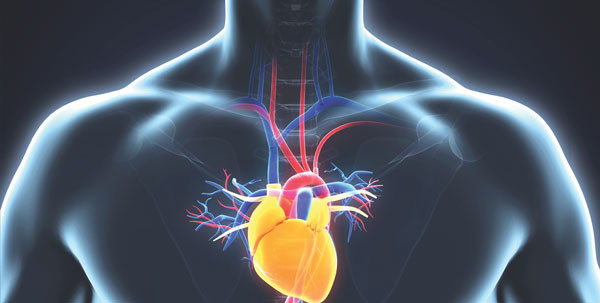
Bringing awareness to aneurysms in the chest
Most often, bulges in the aorta near the heart are found by accident. Should you be screened for this rare yet dangerous condition?
Image: Nerthuz /Thinkstock
The aorta, the body's largest blood vessel, arises from the heart's left pumping chamber, then curves up and over the heart in a gentle arc. In some people, a weak spot in the aorta's wall causes the vessel to bulge outward like a worn-out bicycle tire. Called a thoracic aneurysm, this stealthy condition develops slowly and silently, rarely causing symptoms. And while some thoracic aneurysms are relatively harmless, others cause catastrophic problems. An estimated one in 10,000 people has a thoracic aneurysm, although the exact prevalence is unknown.
"Most thoracic aneurysms are discovered on an imaging test done for some other reason," explains Dr. Eric Isselbacher, associate professor of medicine at Harvard Medical School and co-director of the Thoracic Aortic Center at Massachusetts General Hospital. For example, an aneurysm might be visible on an echocardiogram (heart ultrasound) done during testing for an irregular heartbeat. Because the condition is so uncommon, testing everyone for a thoracic aneurysm doesn't make sense. But certain people face a higher risk than others (see "Who needs to be checked?").
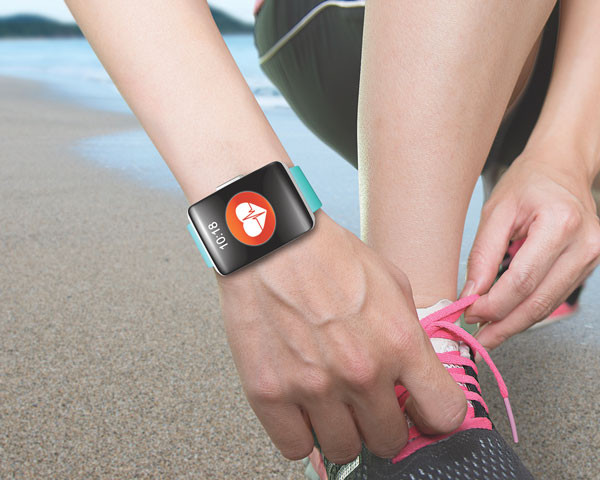
Are wristwatch-style heart rate monitors accurate?
Wristwatch-style fitness monitors use a sensor that detects blood flow through the skin to estimate a person’s heart rate. Some brands are more accurate that others, but none are as accurate as chest-strap monitors.

Working out while angry? Just don’t do it
Anger or emotional upset may double the risk of having a heart attack. Heavy physical exertion appears to have the same effect. And people who do intense exercise while they’re upset or mad may face three times the risk of heart attack.

Daily tea drinkers may have healthier hearts
People who drink at least one cup of tea daily may be less likely to have cardiovascular problems than those who never drink tea.
Drugs to prevent heart attacks may also lessen their severity
Medications such as aspirin, statins, ACE inhibitors, and beta blockers are prescribed to certain patients to lower the chance of a first or repeat heart attack. New research shows that they also may reduce the severity of attacks that do occur.
New studies suggest a calcium-rich diet is safe for the heart
A review of 31 studies indicated that calcium intake of 2,500 milligrams or less per day does not increase the risk of developing heart disease in healthy adults.


Pill-free ways to lower high blood pressure
Reduce your dependence on medications with these strategies.
More than a third of all adults in the United States have high blood pressure—a systolic pressure (the top number in a reading) of at least 140 millimeters of mercury (mm Hg), or a diastolic pressure (the bottom number) of at least 90 mm Hg, or both. The condition injures blood vessel walls and forces the heart to work harder, increasing the risk for heart disease and stroke.
Taking medication to treat high blood pressure is just part of the solution.
Even a little exercise linked with lower stroke risk in people with afib
Testosterone therapy without evidence of deficiency may boost heart risk
Weight-loss drug may lower risk of heart attacks and infections
What to eat on the DASH diet
Migraine: How it's diagnosed and what that means
Tricep workouts you can do at home
Mindfulness practices to reduce stress and improve focus
Antihistamines may not offer meaningful relief from eczema symptoms
Overweight and taking blood pressure medications: Study finds it's a trend that's working
FDA approves first mRNA-based flu vaccine
Free Healthbeat Signup
Get the latest in health news delivered to your inbox!
Sign Up
