

Even a little exercise linked with lower stroke risk in people with afib

Testosterone therapy without evidence of deficiency may boost heart risk

Weight-loss drug may lower risk of heart attacks and infections

What to eat on the DASH diet

Migraine: How it's diagnosed and what that means

Tricep workouts you can do at home

Mindfulness practices to reduce stress and improve focus

Antihistamines may not offer meaningful relief from eczema symptoms

Overweight and taking blood pressure medications: Study finds it's a trend that's working

FDA approves first mRNA-based flu vaccine
Heart Attack Archive
Articles
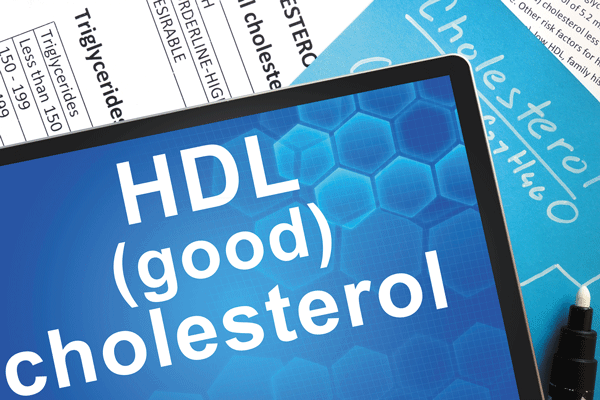
HDL cholesterol: How much is enough?
Research suggests that raising good cholesterol beyond a certain point doesn't offer any extra benefit for the heart.
Image: designer491/Thinkstock
When it comes to cholesterol, it's mostly about the numbers. You want less of the "bad" low-density lipoprotein (LDL) cholesterol and more of the "good" high-density lipoprotein (HDL) kind. This combination is often associated with a lower risk of cardiovascular disease. Sounds simple—and it is, for the most part. But while most attention is spent on driving down bad LDL, you still have to keep your eyes on the good HDL, as some research suggests that after a certain threshold, higher levels don't offer extra protection.
The role of cholesterol
Balancing act
One reason higher HDL may not always be effective is that it needs help to do its job. Another study found that HDL's protective role depends in part on the levels of both LDL and triglycerides (another type of blood fat that helps make up your total cholesterol).
The research, published online May 10, 2016, by Circulation: Cardiovascular Quality and Outcomes, analyzed data over 25 years on about 3,500 people. Researchers looked at people with both low and high HDL levels and those with normal and high levels of LDL and triglycerides.
They found that for optimal protection against cardiovascular disease, there needs to be a balance among all three. Higher HDL (40 mg/dL or higher) helped to reduce cardiovascular disease only when LDL and triglycerides were low (100 mg/dL or less). When LDL and triglycerides rose above 100 mg/dL or 150 mg/DL, respectively, higher HDL had no effect.
The ideal numbers
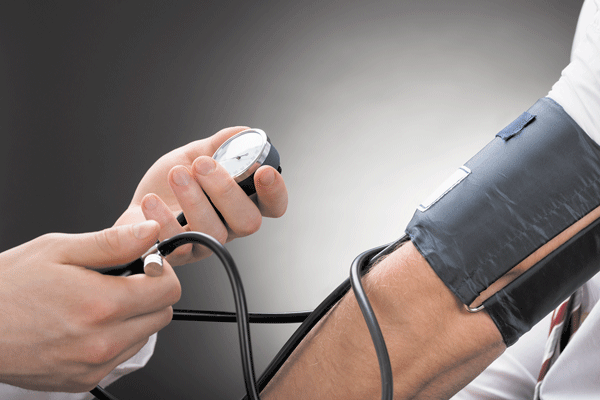
Beware of low diastolic readings when treated for high blood pressure
New research has linked heart tissue damage to blood pressure treatments that drive diastolic pressure (the bottom number in a reading) too low.

Men: talk with your doctor about resuming sex after a heart attack
A majority of men do not talk about resuming their sex life after a heart attack, which may lead to sexual problems like lack of interest and erectile difficulties. Researchers say that before being discharged from the hospital, men should expect to have a conversation with their physician about when it’s okay to resume all regular activities, including sex. If the topic does not come up, men should take the initiative.

FDA approves a one-two punch for some strokes
The FDA has approved use of a clot-retrieving device along with a clot-busting drug on stroke patients, as long it’s within six hours of the onset of stroke symptoms.
Reminder: Don't skip blood pressure medication
Millions of older adults aren’t taking their blood pressure drugs as directed. Ways to combat adherence problems include asking a doctor for less expensive drugs, understanding what a medication is for, and reporting side effects.

Keep tabs on your drinking
When it comes to alcohol, moderation is still the mantra. But even one drink a day may pose a risk to the heart.
Wine, champagne, and cocktails are standard fare at many holiday gatherings. But before you raise your glass, make sure you're aware of just how much alcohol you're actually consuming—and how it may affect your heart.
As part of a standard health history, most physicians will ask about your drinking habits. In general, moderate drinking—defined as one drink per day for women and two drinks per day for men—is considered safe. But there are some caveats.
Ask the doctor: Reversing atherosclerosis?
Some people may be able to reverse the buildup of plaque inside their heart’s arteries by taking high-dose cholesterol-lowering drugs or by following a strict, plant-based diet combined with exercise and stress reduction.

Ask the doctor: Checking for blocked arteries in heart failure?
When a person develops heart failure without a good explanation for the underlying cause, a heart catheterization to check for blockages in the coronary arteries may be appropriate.

How to trim your medication costs
Prescription drug prices are rising. Three strategies may help lower your pharmacy bill.
Image: UrosPoteko/Thinkstock
If you're trying to avoid (or already have) heart disease, chances are you're taking several prescription medications. In fact, about a third of adults over age 62 take at least five prescription drugs, which can be a real budget buster for some people. And recent rises in drug prices, especially for new, brand-name medications, are enough to make anyone gulp.
"By working with your doctor and your pharmacist and spending some time shopping around, you may be able to lower your pharmacy bill," says John Fanikos, director of pharmacy at Harvard-affiliated Brigham and Women's Hospital. He suggests three main strategies:

Thinking about sex after a heart attack
Frank discussions with a doctor can help heart attack survivors return to sexual activity.
Image: UrosPoteko/Thinkstock
Few things shake your sense of well-being more than a sudden heart attack. When the initial shock wears off, an over-whelming need to get life back to normal as quickly as possible usually takes hold. "Patients always ask me when can they drive again, when can they start exercising, and when can they return to work," says Dr. Donna Polk, a cardiologist at Harvard-affiliated Brigham and Women's Hospital. A key issue that seldom gets mentioned, though, is the struggle many heart attack survivors encounter when trying to resume their sex lives.
The same physical changes involved in a heart attack can conspire to diminish sexual enjoyment. Faulty circulation throughout the body, a hallmark of cardiovascular disease, reduces the amount of blood that reaches the sex organs. Men may develop erectile difficulties, and women may not have the blood flow needed for vaginal arousal and lubrication.
Even a little exercise linked with lower stroke risk in people with afib
Testosterone therapy without evidence of deficiency may boost heart risk
Weight-loss drug may lower risk of heart attacks and infections
What to eat on the DASH diet
Migraine: How it's diagnosed and what that means
Tricep workouts you can do at home
Mindfulness practices to reduce stress and improve focus
Antihistamines may not offer meaningful relief from eczema symptoms
Overweight and taking blood pressure medications: Study finds it's a trend that's working
FDA approves first mRNA-based flu vaccine
Free Healthbeat Signup
Get the latest in health news delivered to your inbox!
Sign Up
