

Naturally gluten-free foods

Harvard study: Healthier fats linked to longer life after prostate cancer diagnosis

Shingrix shingles vaccine linked with lower heart disease risks

Estrogen-only hormone therapy tied to lower dementia risk

Should you have a hysterectomy?

Stair climbing may significantly lower cardiovascular risks

Why do I sweat so much?

Walking pneumonia: The "mild" illness that can still pack a punch

What causes knee pain: How doctors make a diagnosis
Where you carry excess weight matters in predicting heart disease risk
Glaucoma Archive
Articles
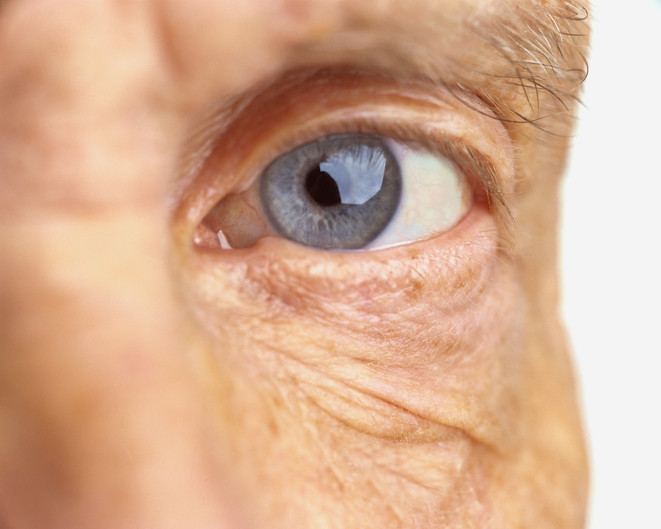
Diabetic retinopathy: Understanding diabetes-related eye disease and vision loss
Over seven million people have diabetic retinopathy, the most common form of vision loss in working-age adults with diabetes. It’s recommended that people with diabetes should work to keep blood pressure in the normal range and their A1c level below 7% to avoid complications such as diabetic retinopathy.
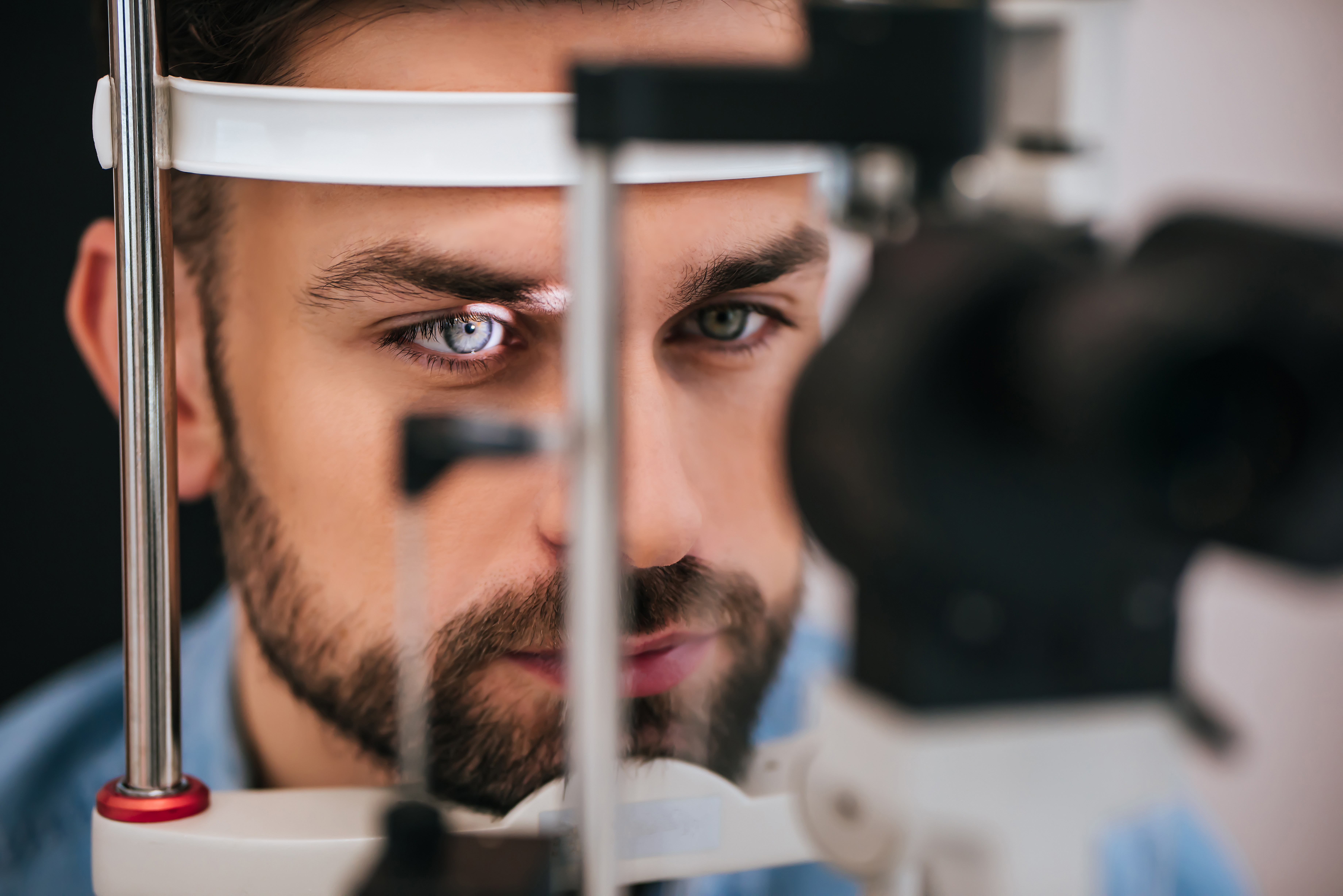
Can an eye exam reveal Alzheimer’s risk?
New research considers whether certain eye conditions may help predict Alzheimer’s disease. The common link? Cardiovascular disease, which is partly preventable.
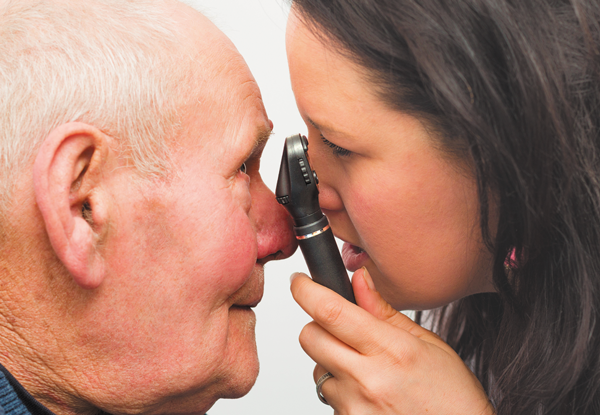
What's the latest in cataract surgery?
Advances in imaging, measuring, and lenses are making the procedure even better.
Image: Thinkstock
A cataract—clouding of the lens inside the eye—is a common cause of poor vision and blindness among older adults. But cataracts can be removed and replaced with artificial lenses. Sound scary? It's not. "Cataract surgery is something that just about everyone will need if you live long enough. Thankfully, with all of the tools and technologies at our disposal, much of it has become fairly routine. The vast majority of people have excellent outcomes with improvement in their quality of vision," says Dr. Christian Song, a cataract and refractive surgeon at Harvard-affiliated Massachusetts Eye and Ear Infirmary.
Typical surgery
Cataract surgery is an outpatient procedure. To remove the cataract, the surgeon makes a circular incision around the eye's lens, and then uses ultrasound technology to break up and remove the cloudy lens. After that, a new lens is slipped into the eye.
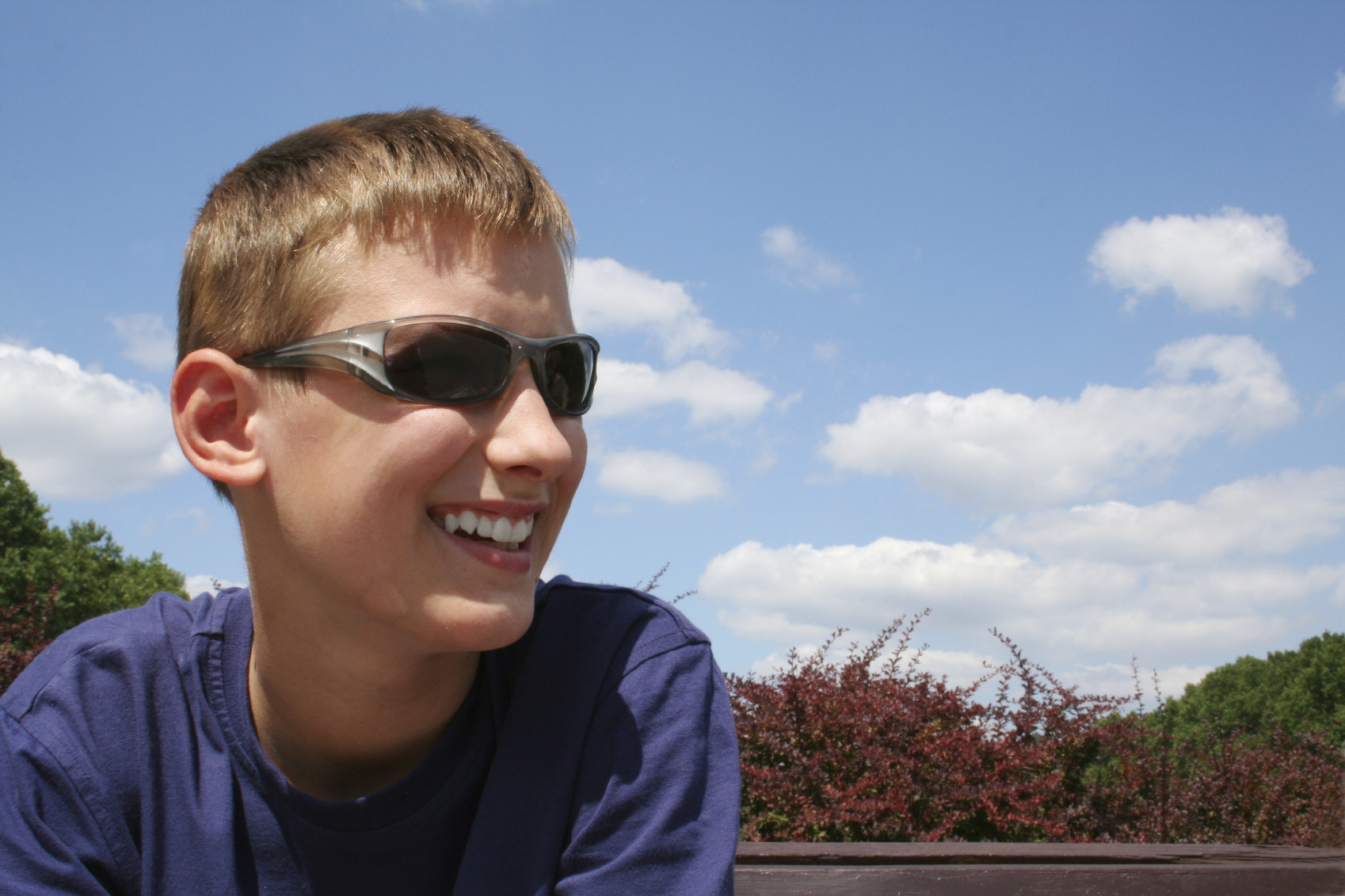
Use sunglasses for vision protection starting at an early age
When kids pack for summer camp, sunglasses may not always top the supply list. But I made them a priority for my 12-year-old son Carson, who just started rowing camp in Florida, because eyes are vulnerable to damaging ultraviolet rays, which are especially intense near reflective surfaces. Ultraviolet rays can damage the eyes several way, ultimately leading to cataract, glaucoma, macular degeneration, and other thieves of vision. You don’t have to spend a bundle to get a good pair of sunglasses. Just make sure to pick ones that block close to 100% of ultraviolet A and ultraviolet B (UVA and UVB) rays.
Naturally gluten-free foods
Harvard study: Healthier fats linked to longer life after prostate cancer diagnosis
Shingrix shingles vaccine linked with lower heart disease risks
Estrogen-only hormone therapy tied to lower dementia risk
Should you have a hysterectomy?
Stair climbing may significantly lower cardiovascular risks
Why do I sweat so much?
Walking pneumonia: The "mild" illness that can still pack a punch
What causes knee pain: How doctors make a diagnosis
Where you carry excess weight matters in predicting heart disease risk
Free Healthbeat Signup
Get the latest in health news delivered to your inbox!
Sign Up
