

Naturally gluten-free foods

Harvard study: Healthier fats linked to longer life after prostate cancer diagnosis

Shingrix shingles vaccine linked with lower heart disease risks

Estrogen-only hormone therapy tied to lower dementia risk

Should you have a hysterectomy?

Stair climbing may significantly lower cardiovascular risks

Why do I sweat so much?

Walking pneumonia: The "mild" illness that can still pack a punch

What causes knee pain: How doctors make a diagnosis

Where you carry excess weight matters in predicting heart disease risk
Emotional and mental well-being Archive
Articles


Can regular sauna sessions support a healthy heart?
Population-based studies have linked regular sauna use with better heart health. The high temperature inside a sauna-which usually ranges from about 150° F to 195° F-causes blood vessels to dilate, raising the heart rate and increasing blood flow throughout the body. However, randomized trials haven't found much evidence that saunas can improve measures of cardiovascular health. People with low blood pressure, valve disease, and heart failure should be cautious while using saunas.

How "inflammaging" shapes our health
Inflammaging is chronic, low-grade inflammation throughout the body that occurs with aging. It is believed to accelerate aging and contribute to more than half of all deaths worldwide by driving various age-related diseases such as arthritis, autoimmune conditions, heart disease, cancer, diabetes, and Alzheimer's disease. People can combat inflammaging through healthy lifestyle measures such as exercising, eating healthfully, controlling weight, managing stress, prioritizing sleep, and limiting alcohol and smoking.

When celiac disease strikes later in life
Celiac disease is an autoimmune digestive condition triggered by gluten, a sticky protein found in grains such as wheat, barley, and rye. Celiac disease is typically diagnosed later in life, and occurs more often in women. Symptoms include intestinal distress, weight loss, rashes, fatigue, and nutrient deficiencies. Celiac patients must adopt a strictly gluten-free diet, which can be challenging after decades of eating gluten. Helpful strategies include creating gluten-free kitchen areas, buying naturally gluten-free items, and examining food labels.

Fast walking may lengthen your life
An October 2025 study found that at least 15 minutes of fast-walking each day was associated with longer life.

Mind your heart for a longer, healthier life
Simple, proven strategies to live a longer, healthier life can help people become super-agers, defined as people who reach the age of 70 without any major diseases such as heart disease, cancer, or dementia. These habits include doing strength training to preserve muscle mass, eating a mostly vegetarian diet that provides many healthful nutrients, and prioritizing healthy sleep habits.
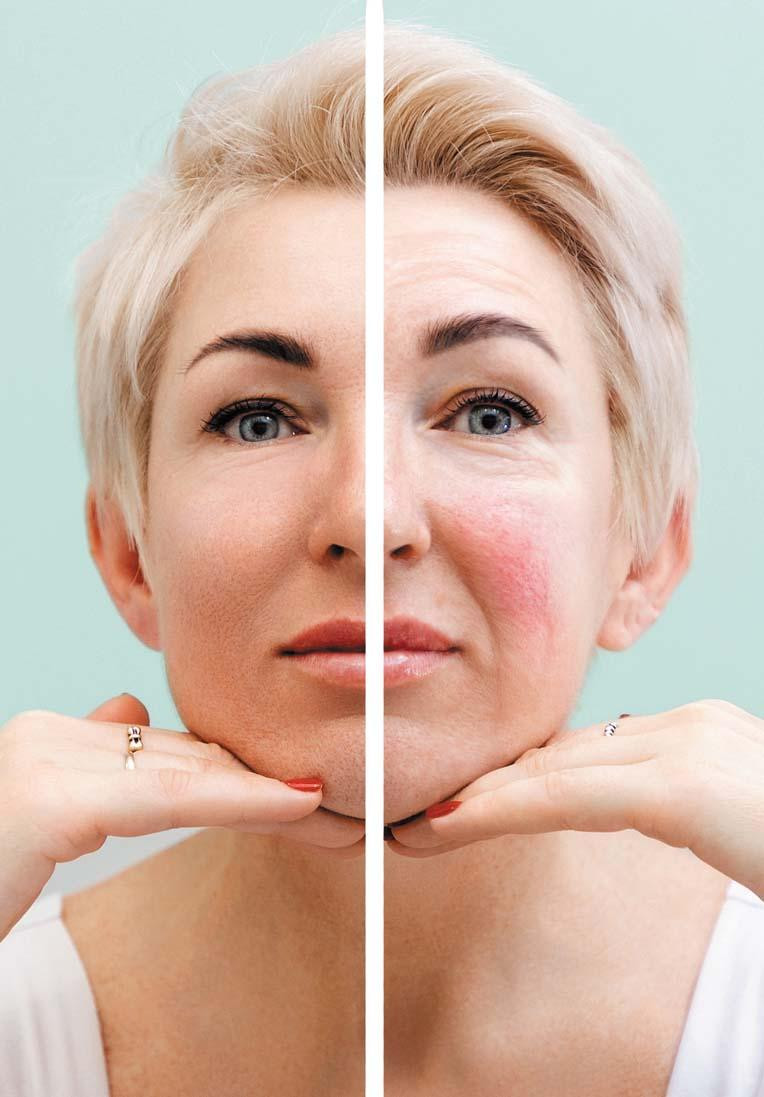
Is this common skin problem overlooked?
A 2025 Finnish study found that rosacea often goes undiagnosed in people ages 70 or older. Researchers say this might be due to busy physicians with limited awareness of rosacea or patients' own embarrassment or unwillingness to seek treatment.

Pickleball-related eye injuries increasing
As the number of pickleball players has grown, so has the number of eye injuries in people ages 50 or older, according to a 2025 study. Such injuries include damage to the eye surface, retinal detachment, or fractures near the eye socket.

Dealing with a sluggish sex drive
Men and women can experience many age-related changes and health conditions that can cause their sex drives to decline. Couples who deal with mismatched or missing sex drives should communicate about how they can work together to get back in sync. Both partners should share what they enjoy before and during sex, what issues may be hindering their sex drive, and what strategies they can try, such as recreating dating, planning time for intimacy, and exploring new ways to create romantic moods.

Can supplements boost my athletic performance?
There is little evidence that dietary supplements marketed as performance enhancers do more than following a well-balanced diet. Two nutrients that can help people during extended exercise are carbohydrates and caffeine.
Naturally gluten-free foods
Harvard study: Healthier fats linked to longer life after prostate cancer diagnosis
Shingrix shingles vaccine linked with lower heart disease risks
Estrogen-only hormone therapy tied to lower dementia risk
Should you have a hysterectomy?
Stair climbing may significantly lower cardiovascular risks
Why do I sweat so much?
Walking pneumonia: The "mild" illness that can still pack a punch
What causes knee pain: How doctors make a diagnosis
Where you carry excess weight matters in predicting heart disease risk
Free Healthbeat Signup
Get the latest in health news delivered to your inbox!
Sign Up
