Drug interactions Archive

Articles

Back to the future: Psychedelic drugs in psychiatry

There is a renewed interest in the potential for psychedelic drugs to be used for medical purposes in the treatment of a variety of psychiatric conditions. Broadly, these drugs are able to induce altered thoughts and sensory perceptions, and research has found them to be beneficial in treating depression and post-traumatic stress disorder, and they can also be helpful for some people in end-of-life situations.

Choosing the right ED drug

Men have a higher risk of having erectile dysfunction (ED) as they age and many can benefit from taking an ED drug. There are currently four choices in the US, and men usually adopt a trial-and-error approach to find the drug and dosage that works for them. The choice also can be dictated by how fast they want the drug to work and how long the effect will last.

Are you taking too many supplements?

Taking too many dietary supplements can lead to potential problems. Examples include medication interference, difficulty managing a complicated regimen, missed prescription medication doses, and overdoing it on nutrient intake. It’s not that all supplements are without benefits. For some people, specific supplements may offer some chance of benefit, and little risk. But going overboard can be risky. It’s important to speak with a doctor before starting a supplement to make sure it won’t interfere with one’s health or current medications.

When pain slows your new walking regimen

There are lots of aches and pains that can slow down a new walking regimen. Examples include heel pain from plantar fasciitis, shin pain from spinal stenosis, and joint pain from osteoarthritis. Treatment varies, depending on the cause. Once pain has been addressed, it’s important to set realistic goals for a walking routine, starting with five or 10 minutes per day and gradually increasing the time. Doctors recommend an ultimate goal of 30 minutes of daily brisk walking.

Alternatives to warfarin may be safer, more effective for afib

For people with certain types of valvular atrial fibrillation, drugs known as direct oral anticoagulants (DOACs) may be safer and more effective than warfarin (Coumadin). DOACs include apixaban (Eliquis), dabigatran (Pradaxa), and rivaroxaban (Xarelto).

Diastolic blood pressure: Worth a second look?

A diastolic blood pressure reading lower than 60 mm Hg may be linked to an increased risk of heart attack and stroke in people at high cardiovascular risk. Diastolic pressure tends to fall with age. Some people with a low reading have a leaky aortic valve, which interferes with normal blood circulation throughout the heart and causes diastolic pressure to fall. But in people with healthy aortic valves who can be physically active without any symptoms (such as chest pressure, shortness of breath, or lightheadedness), a low diastolic blood pressure should not pose a problem.

Why do I bruise so easily?

Noticeable bruises as a person ages are related to the tiny blood vessels in the outer layer of skin becoming more fragile. There is not much people can do about this, but they should see their doctors if bruises resemble red or purple spots, appear only on the lower legs, or become painful.

Common questions about medical cannabis

While cannabis is still illegal at the federal level, more than two-thirds of US states have made it partly or fully legal for medical purposes. People who decide to use marijuana for a medical condition often have questions about its safety and proper use — the same considerations doctors weigh when determining whether it should be prescribed for a particular patient.

American Heart Association issues statement on cardiovascular side effects from hormonal therapy for prostate cancer
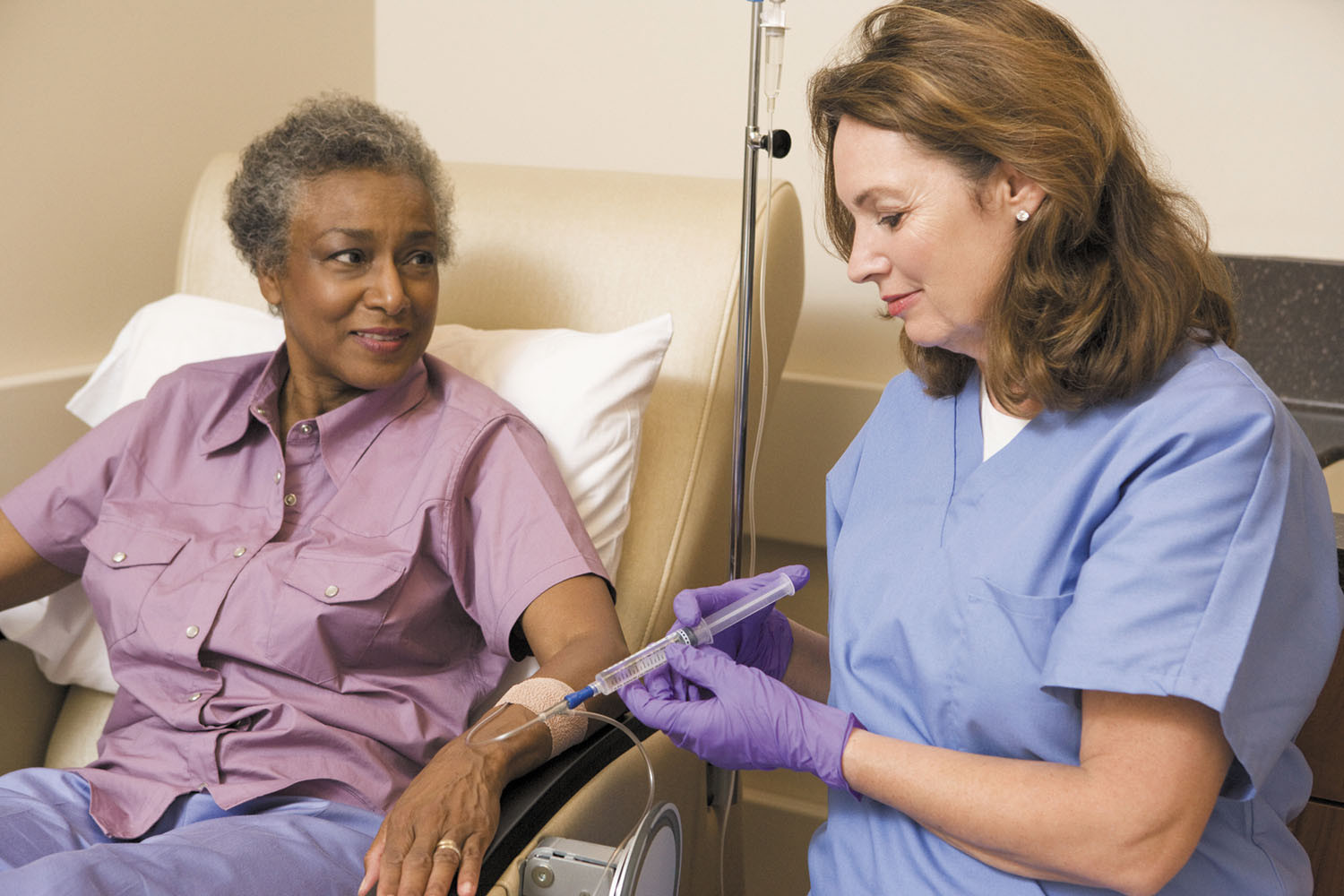
The American Heart Association issued a statement addressing cardiovascular risks from hormonal therapy for prostate cancer, emphasizing the need to identify men with pre-existing cardiac risk factors or a family history of cardiovascular diseases who should be monitored closely during treatment.

Cancer survivors: A higher risk of heart problems?

If you're among the nearly 17 million adults in this country who's had cancer, pay extra attention to your heart health.

Thanks to advances in early detection and treatment, people with cancer are living far longer than in past decades. But cancer survivors should be aware that cancer and its treatments can compromise cardiovascular health, according to a recent study from the CDC.

Researchers studied more than 840,000 adults, including about 69,000 cancer survivors, to see how much cancer "ages" the heart. They found that adult men treated for cancer had hearts that appeared to be 8.5 years older than their actual age, while the hearts of women who survived cancer appeared to be 6.5 years older.

Free Healthbeat Signup

Get the latest in health news delivered to your inbox!

Sign Up
Harvard Health Publishing Logo

Thanks for visiting. Don't miss your FREE 32-page gift worth $29.95.

PLUS, don’t miss out on your 25% off promo code.

Sign up to get tips for living a healthy lifestyle—You’ll discover powerful, research- backed strategies for health longevity drawn from Harvard Medical School experts—ways to eat for a longer life, build strength and flexibility to stay independent, protect your bones, heart, and brain as you age, and even cultivate the habits linked with “super-agers” who stay sharp and active well into their 80s and 90s—all delivered to your email box FREE.

Harvard Health Publishing Logo

Stay on top of latest health news from Harvard Medical School.

Plus, get a FREE copy of Living Longer, Living Well!.

Harvard Health Publishing Logo

Stay on top of latest health news from Harvard Medical School.

Plus, get a FREE copy of Living Longer, Living Well.